Newcastle disease is an highly contagious viral disease caused by paramyxovirus. It mainly manifests as dyspnea, diarrhea, disordered nervous system, bleeding mucous membrane and serous membrane in sick chicken. And once chicken are affected, the mortality will be as high as 90%. With a high mortality rate and the severe economic consequences of its outbreaks in commercial poultry, the disease is reportable to the World Organization for Animal Health. Therefore, it is essential for chicken farmers to do a good job in the prevention and treatment of Newcastle disease, because a small error in it will lead to heavy losses. Next, let us to learn about the Newcastle disease.
Symptoms of Newcastle disease in poultry
- Sudden death and high mortality
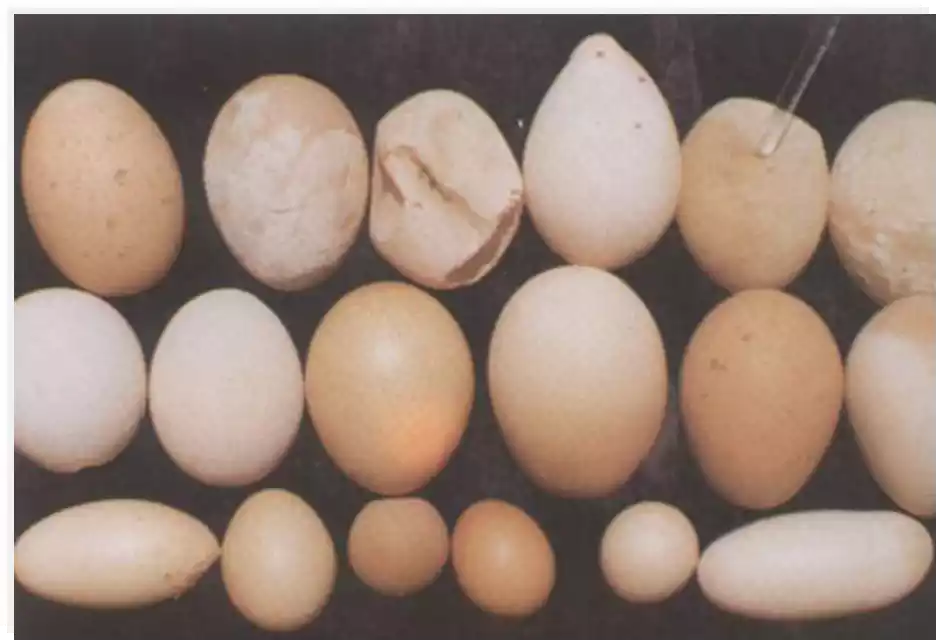
- Sharp decreased egg production. Eggs may be abnormal in color, shape, or surface, and have watery albumen.
- Difficult breathing, sneezing, coughing, gasping
- Twisting of neck, circling, trembling, stiffness, spasms, depression, nervous manifestations
- Drooping wings, ruffled feathers
- Reduced feed consumption
- Decreased activity
- Swelling around the eyes and neck
- Watery diarrhea
If you find any of the above signs in your chicken flock, maybe the virulent Newcastle disease is attacking your chickens. You could check postmortem lesions as follows for primary diagnosis:
- Larynx edema or pointy petechiae;
- Adenogastric papillomedema, bleeding or ulceration;
- Swelling or slight bleeding of the descending duodenum, 2-3cm at the front and back of the yolk stalk and lleum lymphatic follicles;
- Sanguinamento rettale a spazzola.
Naturalmente, la diagnosi deve essere confermata mediante isolamento virale, rilevamento del virus tramite RT-PCR o test di colorazione immunoistochimica e sierologia.
Newcastle Disease Infected Objects
- La malattia di Newcastle infetta polli di tutte le età e razze. Gli uccelli giovani presentano una morbilità e una mortalità marcatamente superiori rispetto ai polli più adulti. Inoltre, i polli di razza pura sono più suscettibili e presentano una mortalità più elevata.
- La malattia può verificarsi durante tutto l'anno, con un'incidenza particolarmente elevata in primavera e in inverno.
- Si diffonde così rapidamente che molti capi di pollame muoiono senza mostrare alcun segno. E praticamente tutti gli uccelli saranno infettati nell'arco di due-sei giorni.
Newcastle disease transmission pathway
Le principali fonti di infezione della malattia sono i polli malati, le feci e il muco orale dei polli portatori. Esistono inoltre alcune potenziali vie di diffusione del virus che richiedono particolare attenzione.
Trasmissione per contatto diretto
Respiratory secretions
Gli uccelli infetti diffondono il virus nell'aria tossendo e starnutendo, ecc. Gli uccelli sani possono essere infettati inalando goccioline contenenti il virus.
Feces
Le feci degli uccelli infetti contengono molti virus e gli uccelli sani possono essere infettati attraverso il contatto con lettiera, mangime e acqua contaminati.
Direct contact with infected birds
Anche il contatto diretto tra uccelli sani e uccelli infetti, come beccarsi e accoppiarsi, può portare all'infezione.
Indirect contact transmission
Pollutant transmission
Mangime, acqua potabile, lettiera, gabbie, veicoli, attrezzi, ecc. contaminati dal virus possono diventare vettori.
Anche indumenti, scarpe, mani, ecc. del personale possono trasportare il virus e causarne la trasmissione.
Airborne
Il virus può diffondersi per lunghe distanze attraverso l'aria, soprattutto nei pollai chiusi.
Vector borne
Uccelli selvatici, roditori, insetti, ecc. possono trasportare il virus e agire come vettori.
Anche le uova contaminate possono diffondere la malattia.
Vertical transmission
Le femmine infette possono trasmettere il virus ai propri pulcini attraverso le uova.
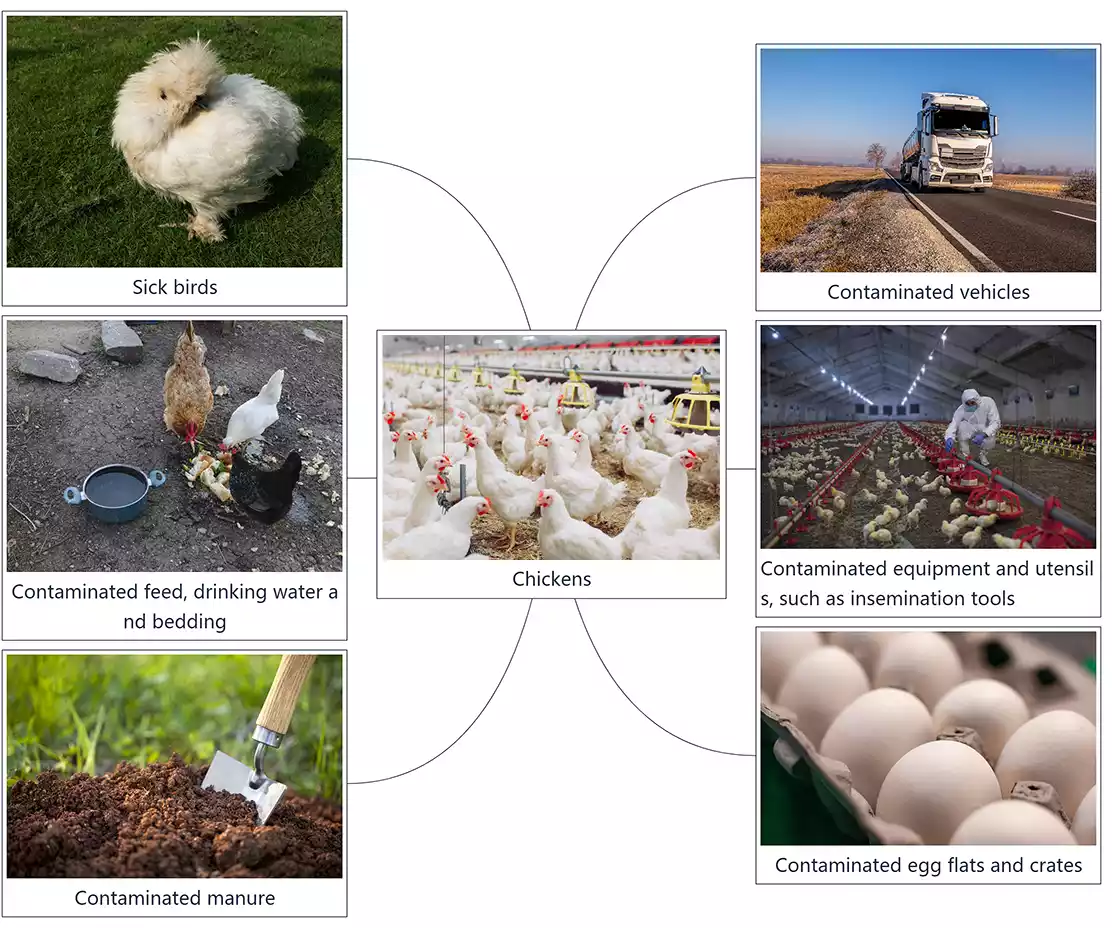
Figura 1 Via di trasmissione della malattia di Newcastle
The transmission pathways of Newcastle Disease are complex and varied, making prevention and control difficult. Therefore, strengthening biosecurity measures, such as strict disinfection, isolation and immunization, is the key to preventing and controlling Newcastle disease.
As the saying goes, “prevention is better than cure”, through learning to understand the genotypes of Newcastle Disease and the main strains prevalent in the local area, paying attention to the early symptoms of the disease in chickens, strengthening the daily management, and injecting vaccines at an early stage, the resistance of chickens can be effectively improved, and contribute to the prevention and treatment of Newcastle Disease in chickens.
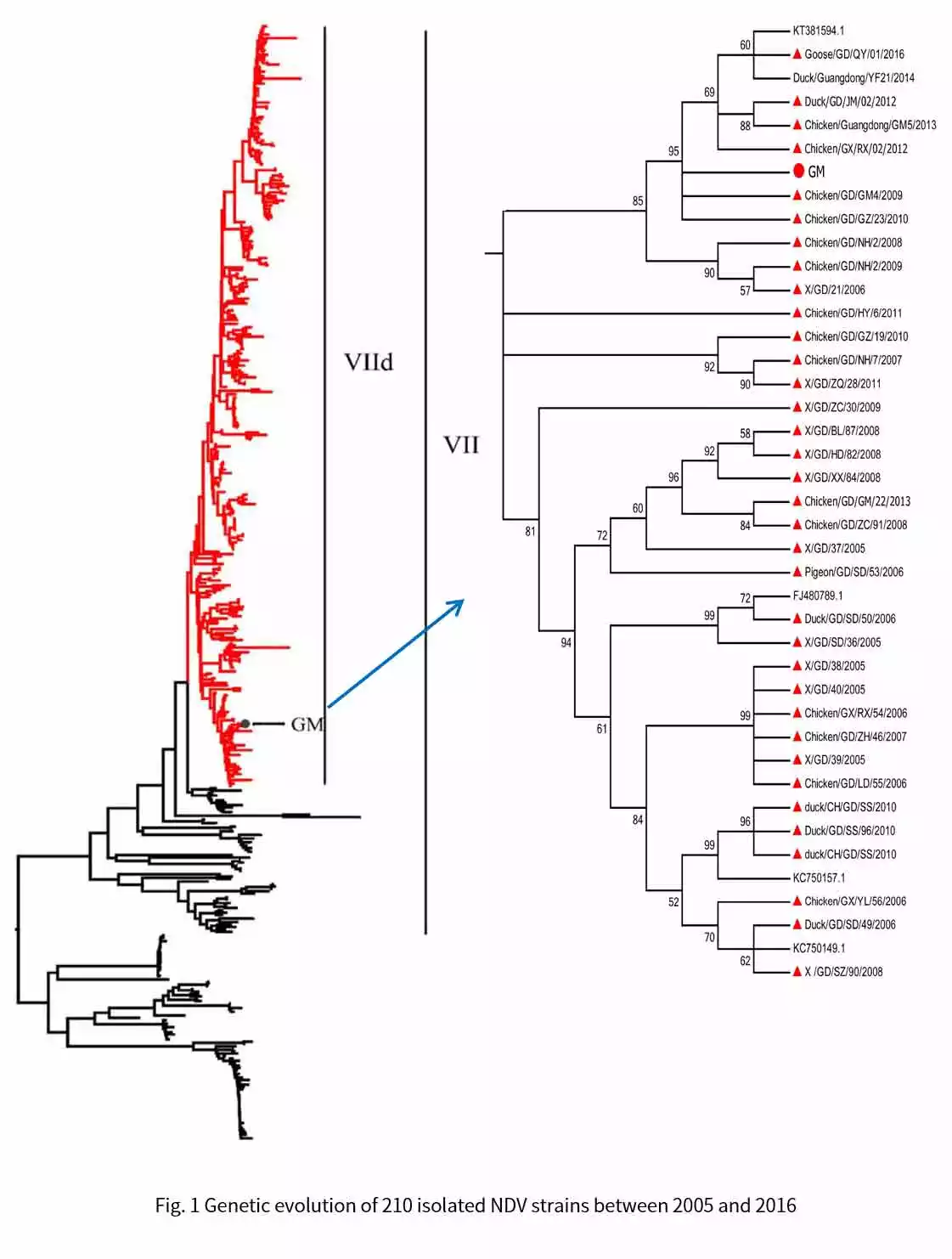
In 1995, Ballagi-Pordang et al. used restriction enzyme digestion analysis to genetically group more than 200 ND strains, which were mainly divided into 6 genetic groups, namely genetic groups Ⅰ, Ⅱ, Ⅲ, Ⅳ, Ⅴ, and Ⅵ. In 1997, lomnjczj and others reported genetic group Ⅶ, and genetic group Ⅷ was found in the progeny of recognized strains isolated in the 1960s in South Africa. Cao Dianjun divided the epidemic NDV genotype Ⅶ into 5 genotypes, namely Ⅶa, Ⅶb, Ⅶc, Ⅶd and Ⅶe. Since the first report of NDV infection in geese in 1997, the Key Laboratory for veterinary vaccine creation of the Ministry of agriculture has been committed to the epidemiological investigation of NDV in South China. Since 2005, 210 strong strains have been isolated, of which 86.2% (181/210) are subtype VII d(Fig. 1).
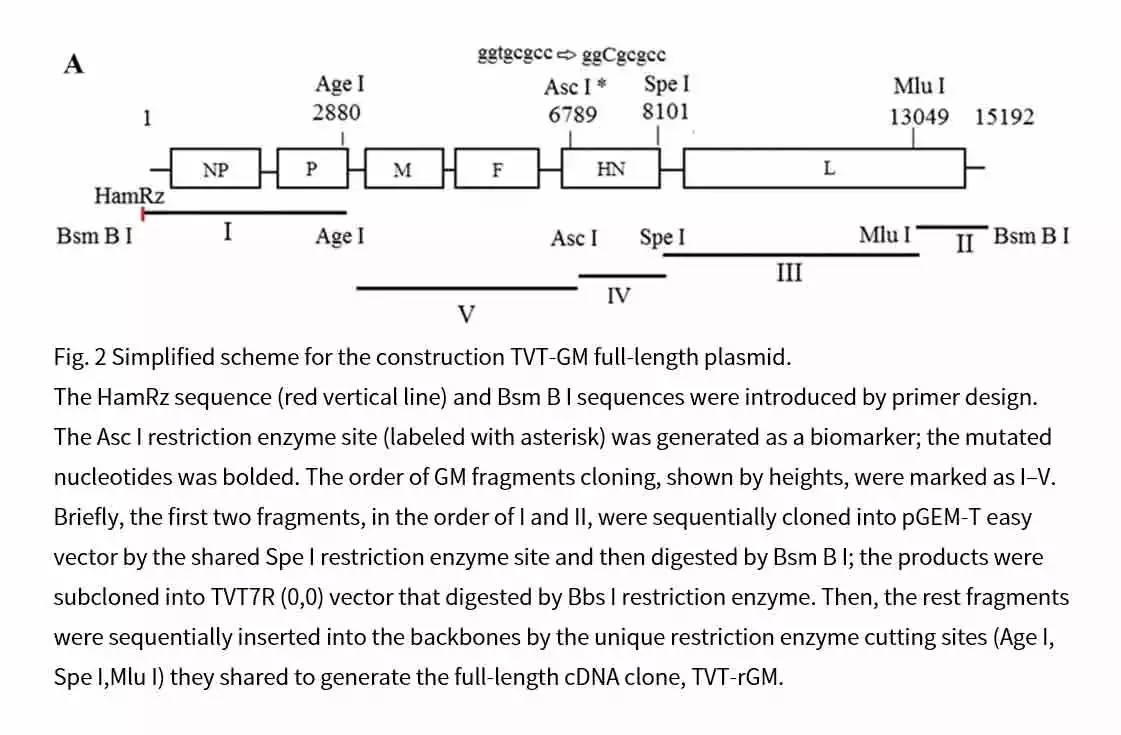
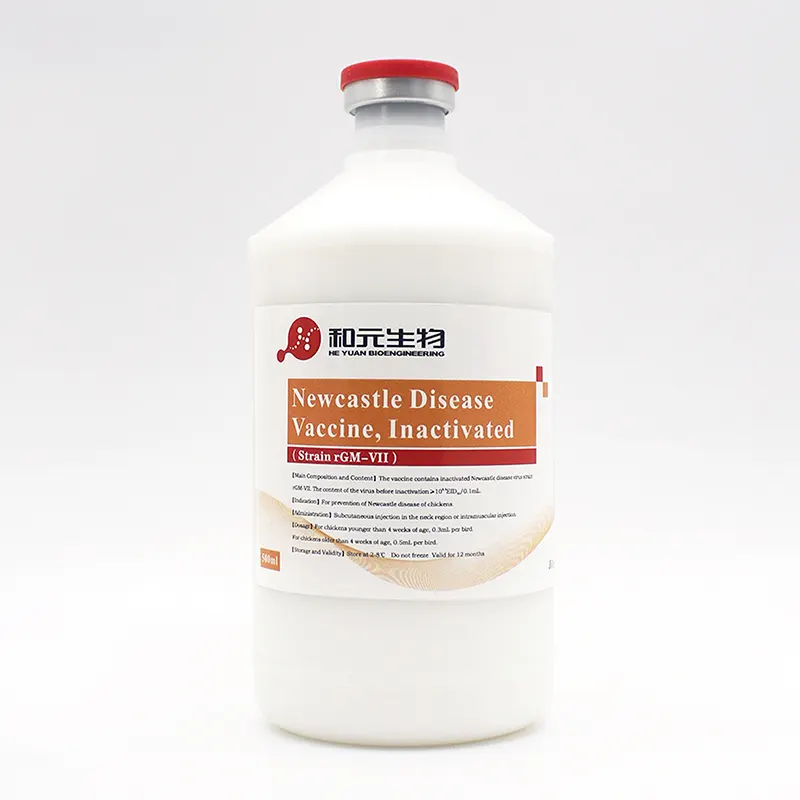
Successful construction of vaccine rGM-VII (Figs. 2 and 3)
To generate authentic 5’ ends of full-length viral antigenomic RNA transcripts, we introduced an overhanging hammerhead ribozyme (HamRz) sequence instead of two or three additional guanidine residues (Gs) at the 5’ terminal into the cDNA clone of GM. To establish a biomarker, an Asc I restriction enzyme site was generated by specific mutagenesis. The schematic cloning strategy is shown in Fig. 2 [1]
To attenuate rGM, the nucleotide sequences of the cleavage site of the TVT-rGM plasmid were modifified from 5’-AGGAGACAAAAACGCTTT-3’ to 5’-GGGAGACAGGGGCGCCTT-3’by PCR mutagenesis, which correspondingly change the motif from 112RRQKRF117 to 112GRQGRL117.
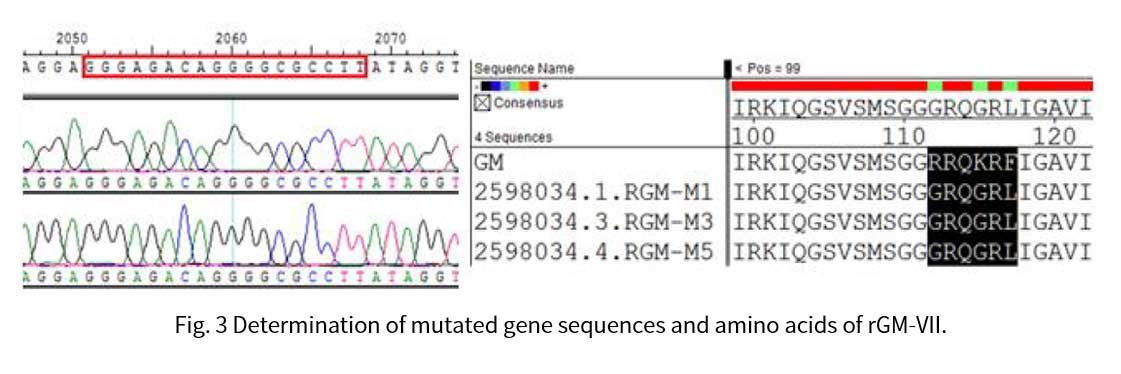
As the circulating NDV of genotype VII is virulent, most strains are not good candidates for vaccine strains. Only those of natural low virulence or those artificially created attenuated strains can be used for the development of vaccines. So to obtain low virulent strains is a key to vaccine development.
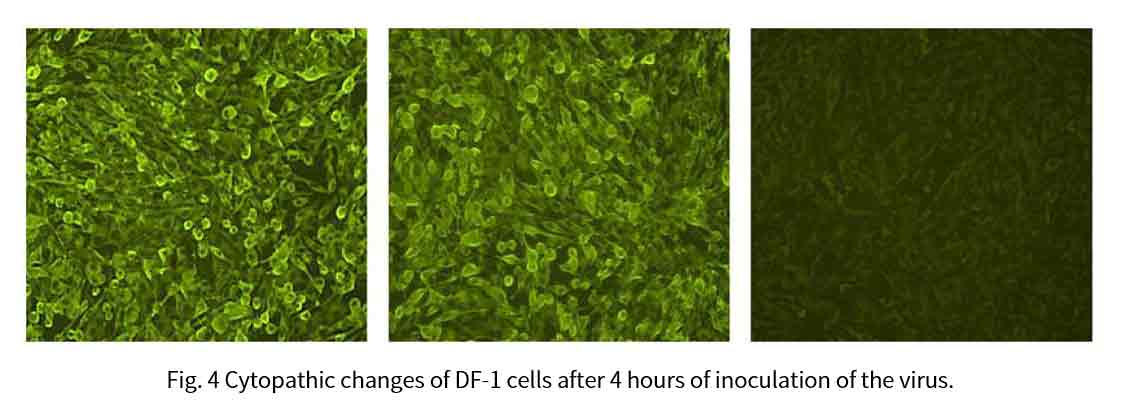
It can be seen that no obvious cytopathic changes occurred after 4 hours of inoculation of the virus to DF-1 cells, indicating that the virulence of rGM-VII was significantly weakened compared with that of the parent strain GM, which laid the foundation for the next step of vaccine development.
The immune effect of vaccine prepared by rGM-Ⅶ strain (0.02mL)
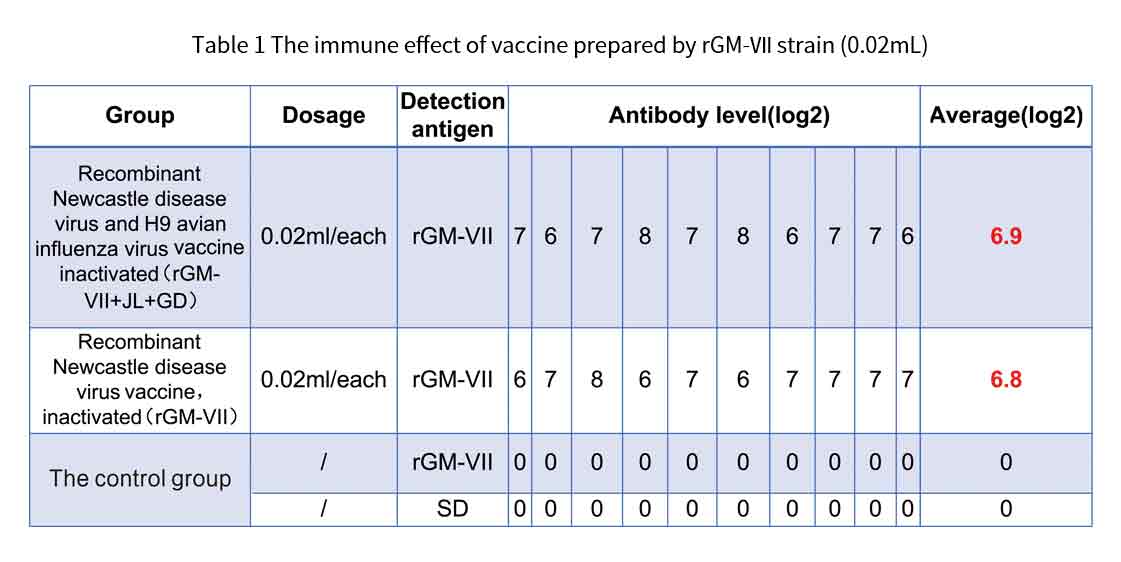
It can be seen that there is little difference in immune effect between single vaccine and combined vaccine prepared by rGM strain. rGM-VII is of good immunogenicity and high antibody titer [significantly higher than the national standard (4.0log2)]
Protective effect of rGM -VII vaccine against GM strain (0.02 ml)
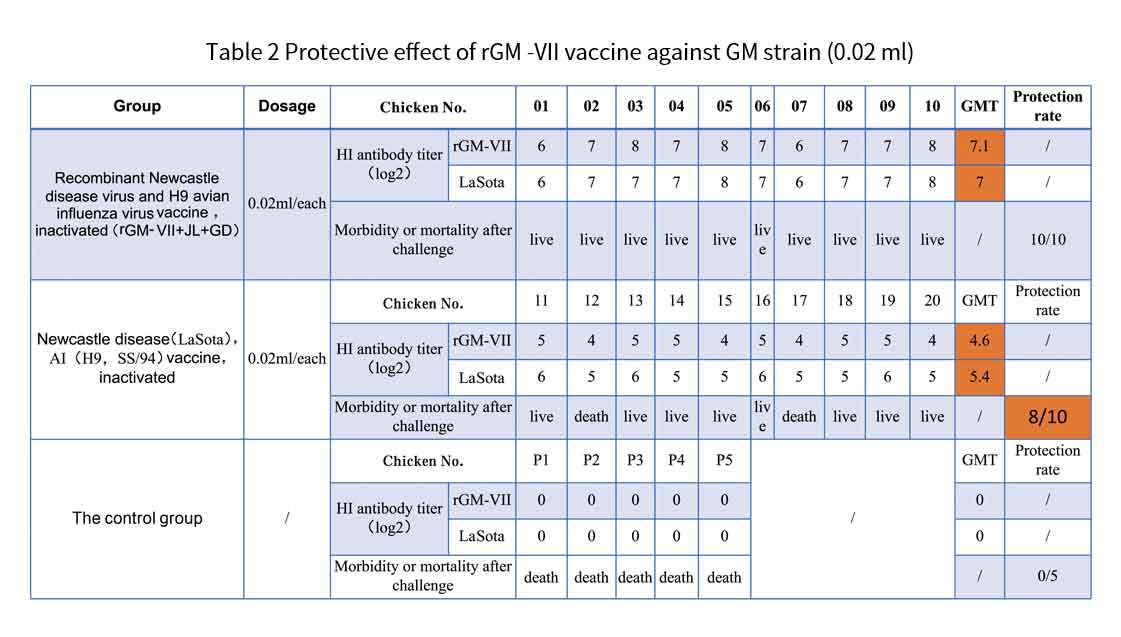
Conclusion: the existing genotype II vaccine can not completely protect the genotype VII epidemic strain. And rGM -VII vaccine strain can provide full protection.
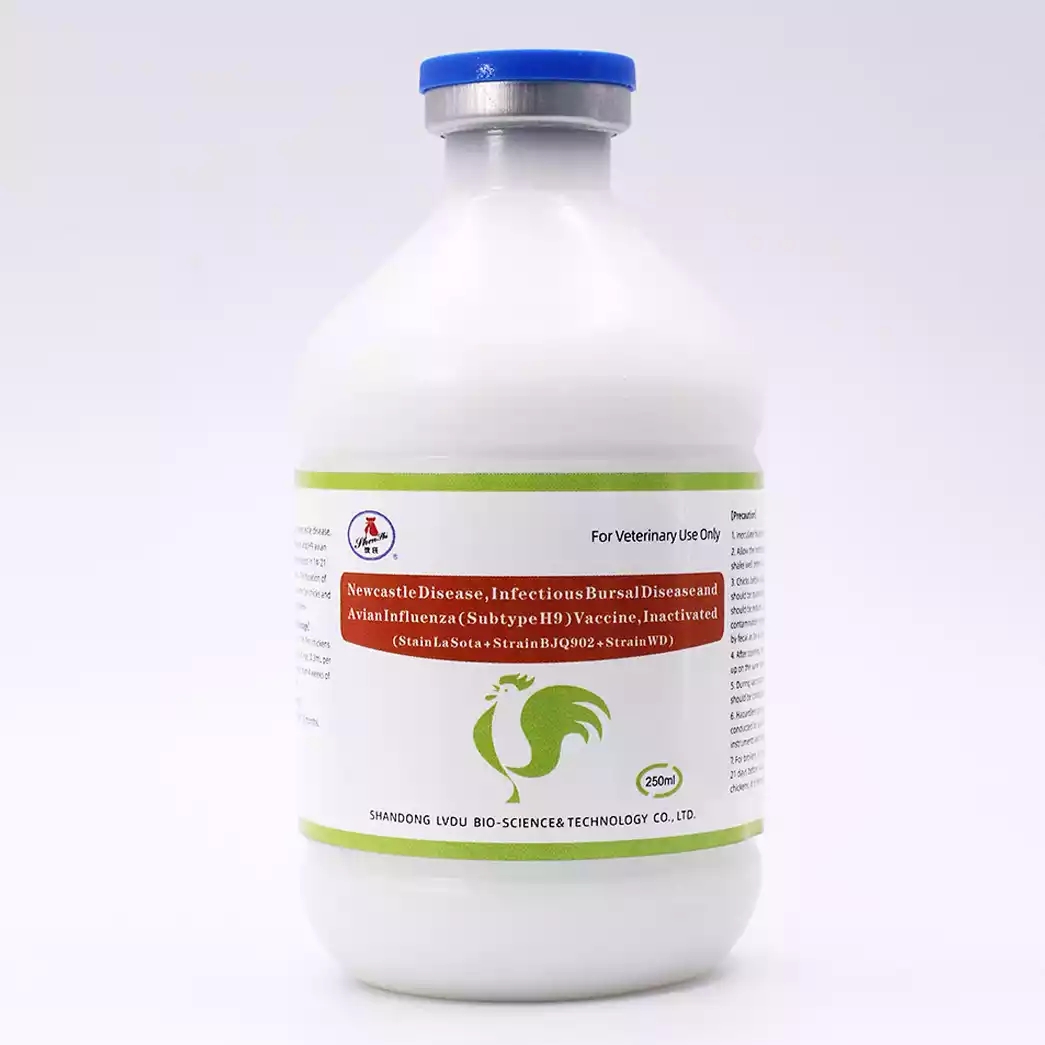
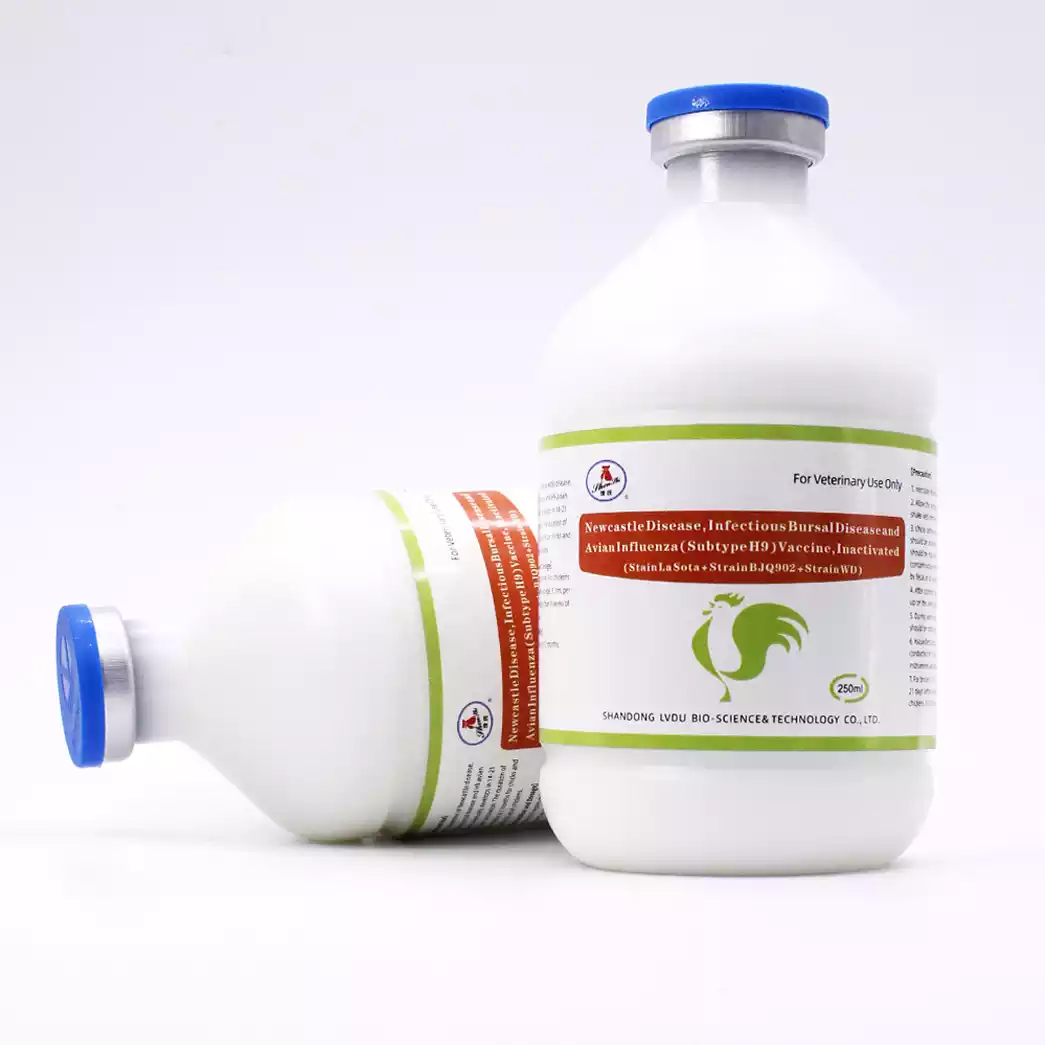
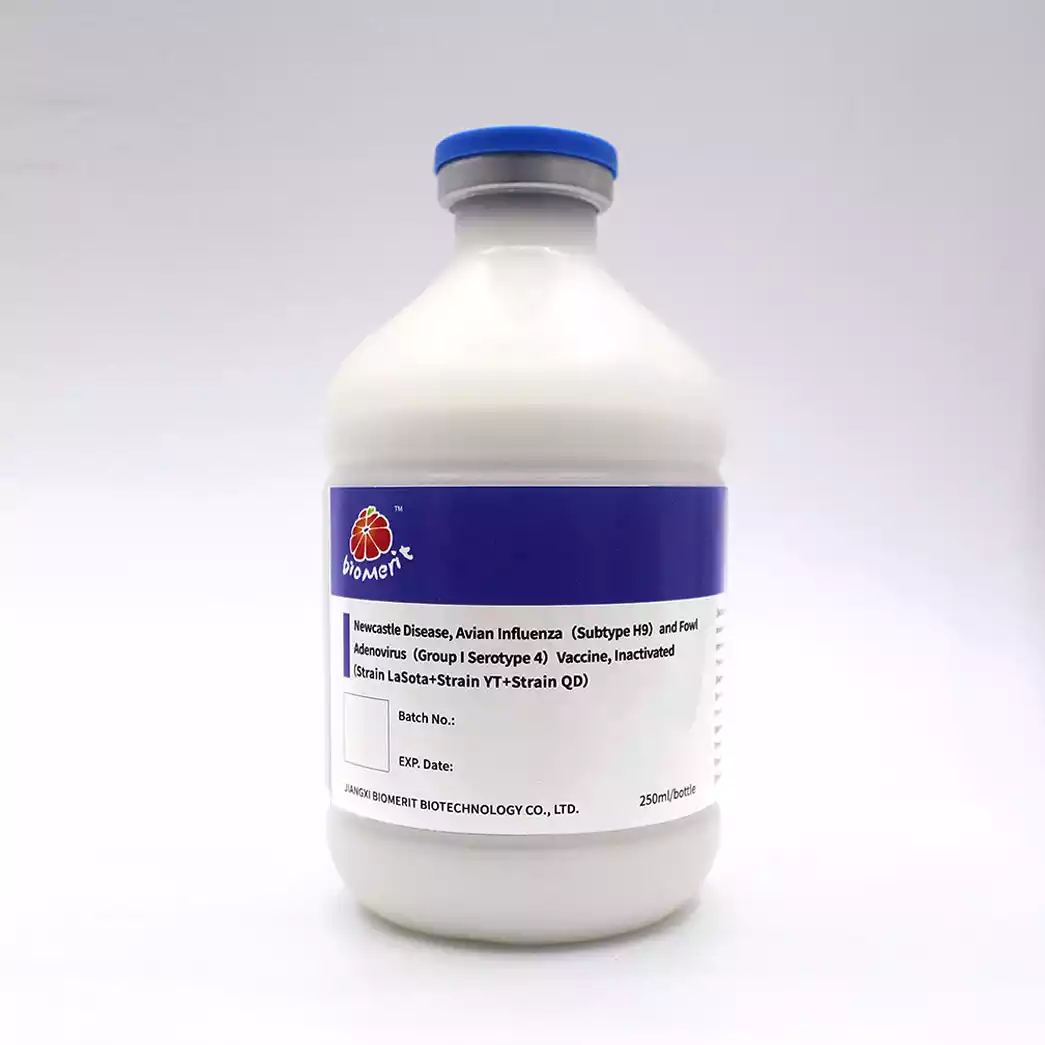
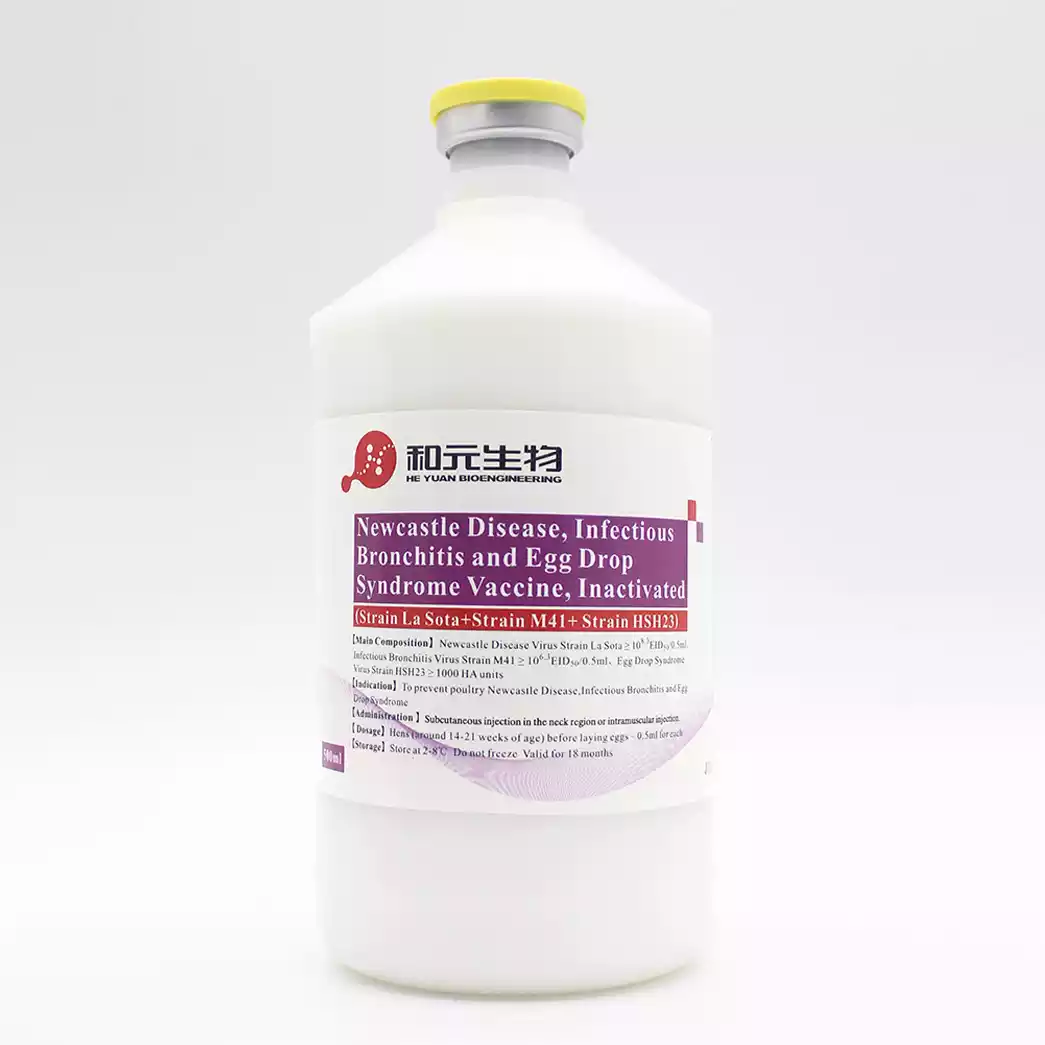
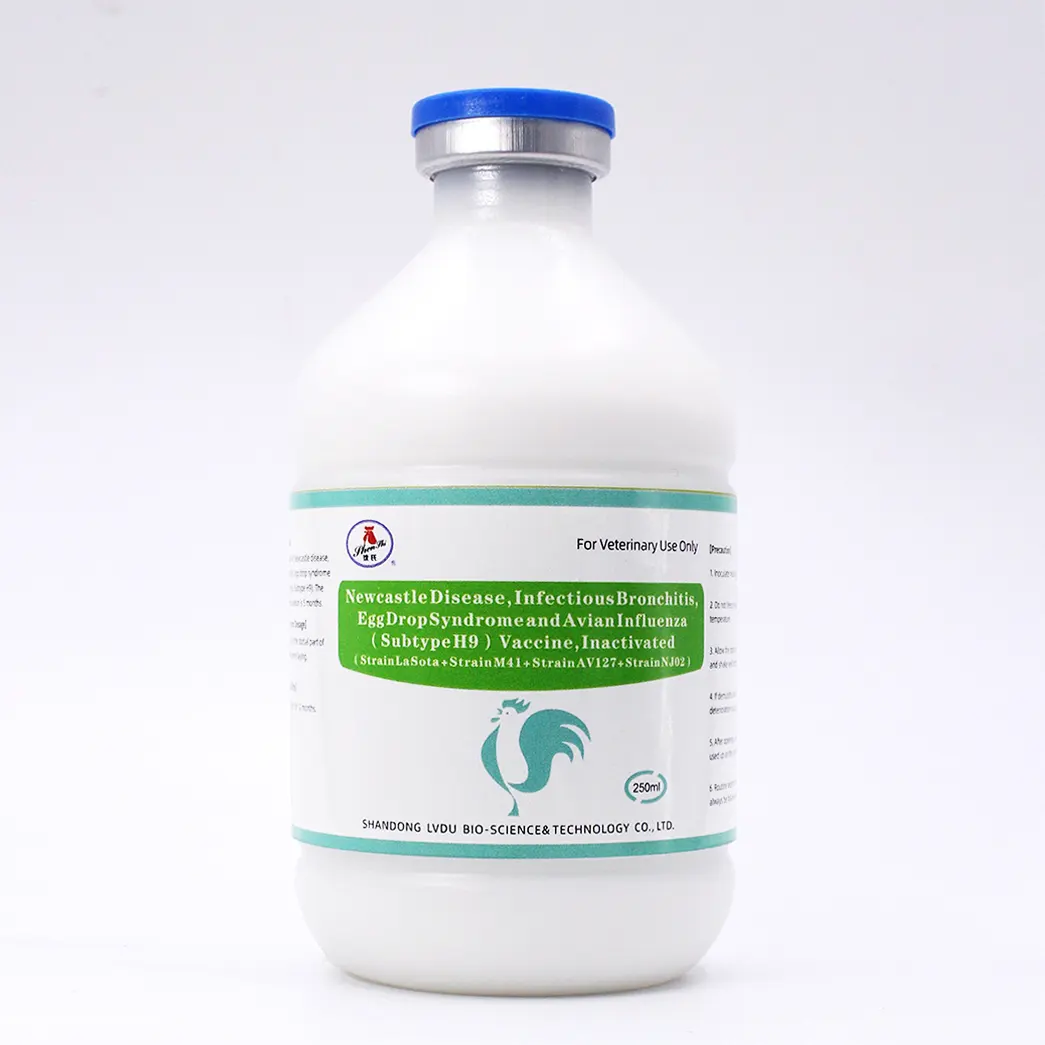
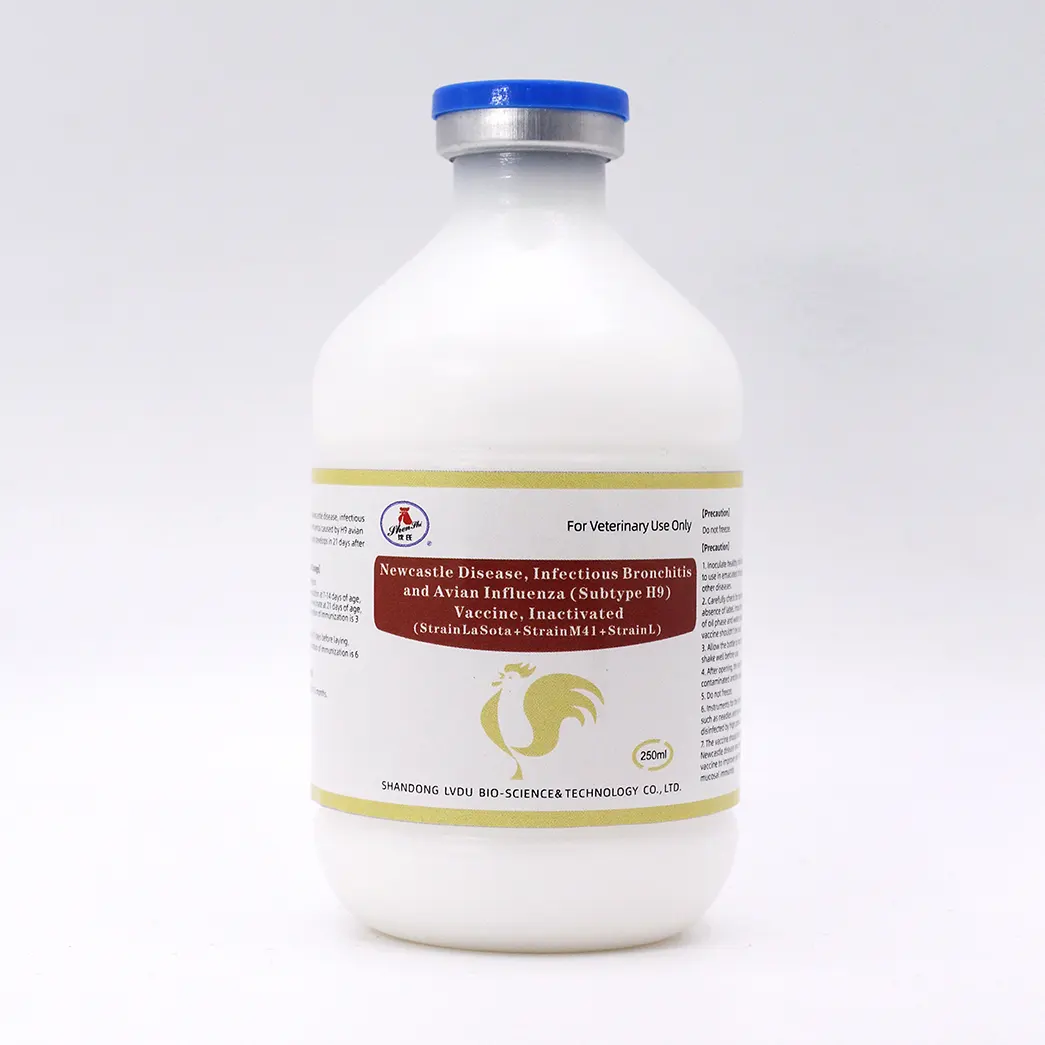
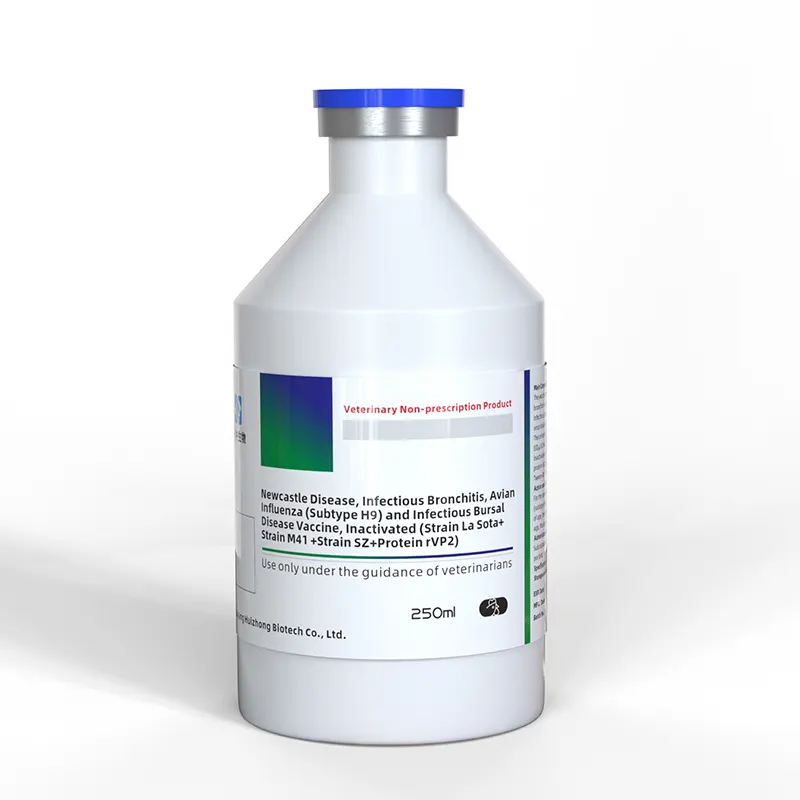
Newcastle Disease Vaccine Recommendations
Reference
Minhua Sun, Bin Xiang, et al. Generation and evaluation of a genetically attenuated Newcastle disease virus rGM-VIIm as a genotype-matched vaccine. Virus Genes (2017) 53:35–43