La coriza infettiva è una comune malattia respiratoria causata da Haemophilus paragallinarum, che invade le vie respiratorie dei polli. È comune negli allevamenti avicoli, soprattutto in ambienti di allevamento intensivo. La coriza infettiva è solitamente difficile da distinguere da altre malattie respiratorie. La malattia è principalmente caratterizzata da infiammazione della cavità nasale, naso che cola, gonfiore intorno agli occhi e dispnea. Se non trattata, può portare a una diminuzione delle prestazioni produttive del pollame, come una riduzione del tasso di deposizione delle uova o un rallentamento della crescita. Di seguito verranno illustrati in dettaglio i sintomi, la diagnosi e i metodi di trattamento della coriza infettiva dei polli per aiutare gli allevatori a gestire efficacemente questa malattia.
Che cos'è la coriza infettiva dei polli?
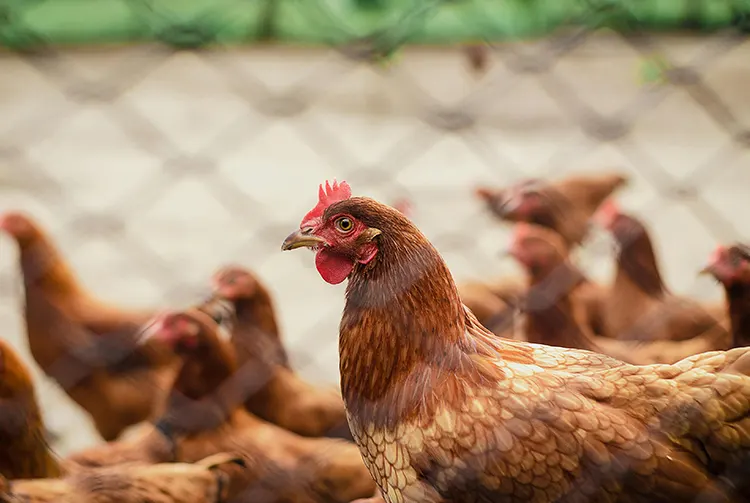
È una malattia acuta delle vie respiratorie causata dal batterio Haemophilus paragallinarum o Avibacterium paragallinarian. Questi batteri sono più comuni negli ambienti caldi. La coriza infettiva può anche essere chiamata infezione da Haemophilus. È una malattia respiratoria che induce i polli a manifestare difficoltà respiratorie e che si diffonde tramite goccioline respiratorie. Le goccioline respiratorie emesse con tosse o starnuti dagli uccelli infetti possono essere inalate da altri uccelli e diffondere così l'infezione.
La diffusione della coriza infettiva dei polli
Nella maggior parte dei casi, la coriza infettiva non è letale. I soggetti che sopravvivono all'infezione sviluppano un'immunità nei confronti del batterio, ma restano portatori della malattia per tutta la vita. Anche i polli non infetti esposti a polli infetti sono considerati portatori della malattia, pur non manifestando mai alcun sintomo. Questo perché i polli possono sviluppare l'immunità all'infezione senza mostrare alcun sintomo. Nonostante l'immunità, possono comunque diffondere la malattia ad altri polli che non sono immuni alla coriza infettiva.
Sintomi della coriza infettiva dei polli
Spesso i polli non sono sensibili alla coriza infettiva finché non hanno almeno 3-4 mesi di età. Con l'avanzare dell'età diventano più suscettibili all'infezione. La coriza infettiva di solito insorge all'improvviso e tutti i polli suscettibili mostrano segni della malattia entro 24-72 ore dall'esposizione all'infezione. I sintomi tipici sono gonfiore facciale ed evidenti secrezioni dai seni nasali che diventano gradualmente maleodoranti e purulente. Il gallo può presentare bargigli gonfi. Si osservano congiuntivite e lacrimazione evidenti. Gli uccelli infetti possono chiudere parzialmente o completamente gli occhi a causa dell'abbondanza delle secrezioni oculari, con difficoltà a individuare il cibo e l'acqua. Il decorso dei casi non complicati di coriza infettiva è di solito di 7-11 giorni. Se la malattia è complicata da infezioni concomitanti, può durare un mese o più. Guida alla comprensione della coriza infettiva nei polli
Di seguito sono riportati alcuni sintomi comuni dell'infezione da coriza infettiva:
Aumento delle secrezioni nasali: i polli presentano naso che cola e le secrezioni possono passare da limpide e acquose a viscose, fino ad avere un odore sgradevole.
Gonfiore facciale: il gonfiore intorno agli occhi e ai seni nasali è una manifestazione comune, talvolta accompagnata da congiuntivite, che rende gli occhi semichiusi o lacrimanti.
Dispnea: a causa dell'ostruzione delle vie respiratorie, i polli possono aprire il becco per respirare o emettere suoni respiratori anomali.
Abbattimento: The appetite of the sick chicken decreases, activity decreases, and the feathers appear messy.
Decreased production performance: laying hens may produce fewer eggs and the growth rate of broilers slows down.
There will also be watery eyes, decreased food and water intake and other symptoms. The course of the disease is usually acute, and the symptoms appear quickly within 2-3 days after infection. If other bacterial or viral infections (such as mycoplasma or Newcastle disease virus) are secondary, the condition may worsen and the mortality rate will increase.
Piano di trattamento per la coriza infettiva dei polli
The mortality rate of infectious coryza is 20-50%. Acute infectious coryza is often more deadly because it spreads faster and gives chickens less time to build immunity against infection.
Isolamento
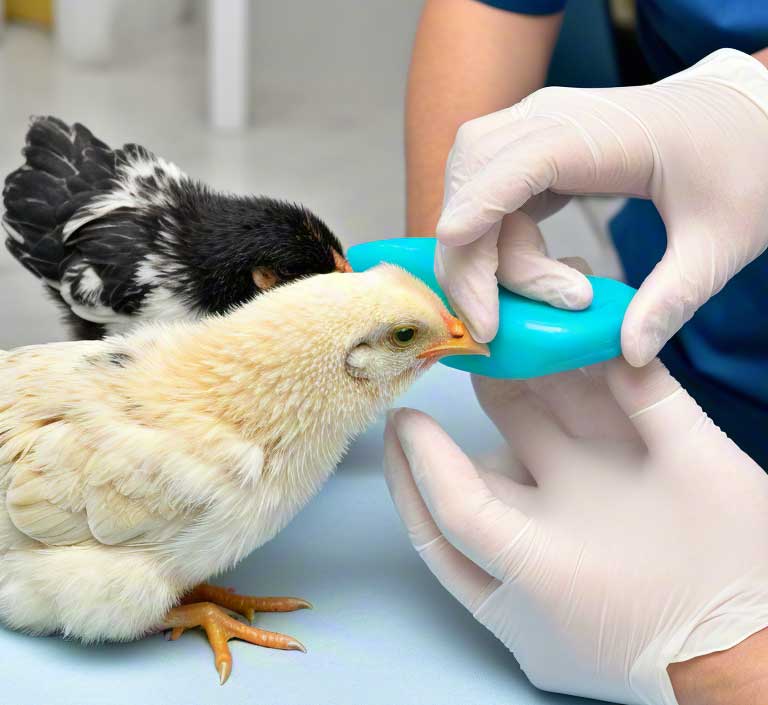
Chickens infected with infectious coryza can usually recover on their own if they receive proper supportive care. Any chicken you suspect of having infectious coryza should be quarantined away from your flock. This can help reduce bacteria exposure to healthy chickens and enable them to gradually build immunity to infection.
Once quarantined, infected chickens will be easier to care for and treat. Ensure that the quarantined chickens are safe and protected, and have access to food and water. You can also provide supplementary probiotics during this period to help improve intestinal health. A healthy intestine will help chickens fight bacterial infections faster. It can also provide natural antibacterial agents to resist pathogenic bacteria that cause infection.
Antibiotici
Antibiotics can be used on hens that are not laying, but antibiotics will only help relieve symptoms, they will not treat infections. The infection must be fought naturally by the chicken’s body. Most antibiotics cannot be used on laying hens because they require a withdrawal period and are not approved for use in animals that provide food. In any case, regardless of whether the chicken is treated with antibiotics or not, it will become a carrier of the disease for life.
Cure preventive
Since infectious coryza will run naturally, early intervention and veterinary consultation are effective ways to control infection. By catching the infection before it spreads to many chickens in your flock or early, you will be able to prevent the infection from becoming serious or fatal. Infectious coryza will be fatal when it interferes with the chicken’s ability to breathe, eat, and drink. If the infection becomes severe, the chicken’s breathing may become very difficult, and its face may swell so that it cannot eat or drink.
When proper preventive care is given to infected chickens, the swelling should subside within 10-14 days, but other symptoms may last for several months, especially if a secondary infection begins. A chicken that has recovered from infectious coryza can easily be reinfected if its immune system weakens.
Gestione ambientale
At the same time as drug treatment, it is essential to improve the breeding environment:
Ventilation and ventilation: Maintain air circulation in the chicken coop and reduce ammonia and dust irritation.
Reduce density: avoid overcrowding of chickens and reduce the chance of spreading germs.
Cleaning and disinfection: Clean up the feces in time, and disinfect the chicken coop and utensils with peroxyacetic acid or other disinfectants.
Misure preventive precoci
Prevention is better than treatment. Farmers can take the following measures to reduce the incidence of infectious coryza in chickens:
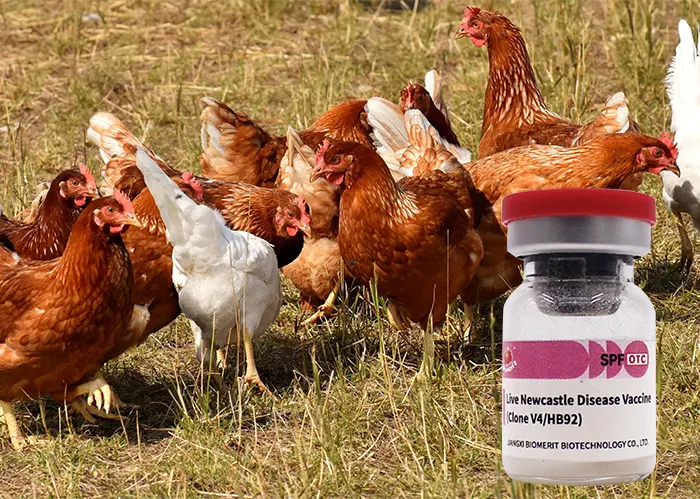
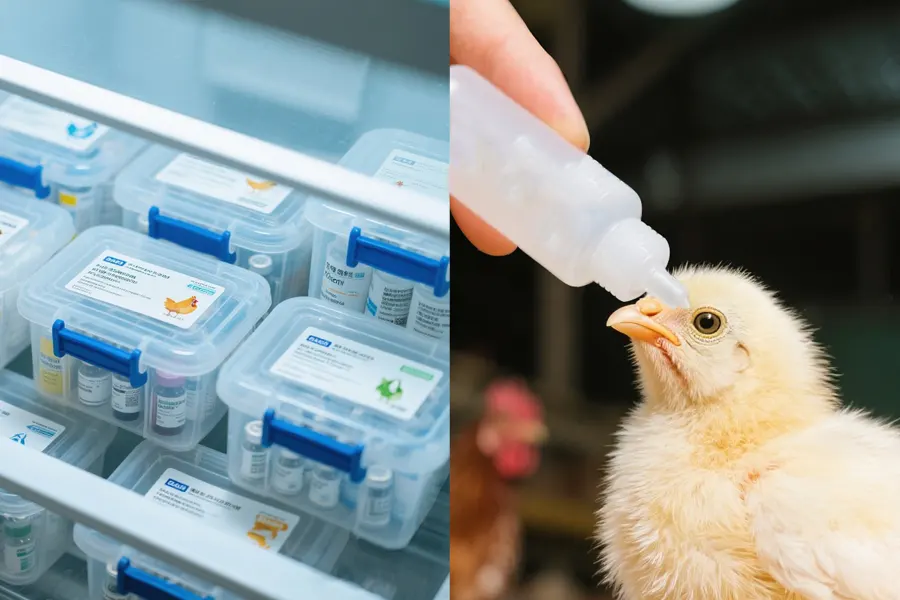
Vaccinazione: In epidemic areas or high-risk areas, inactivated vaccines for chicken infectious coryza are used, usually for the first time when the chicks are 6-8 weeks old, and innoculated once more before laying eggs.
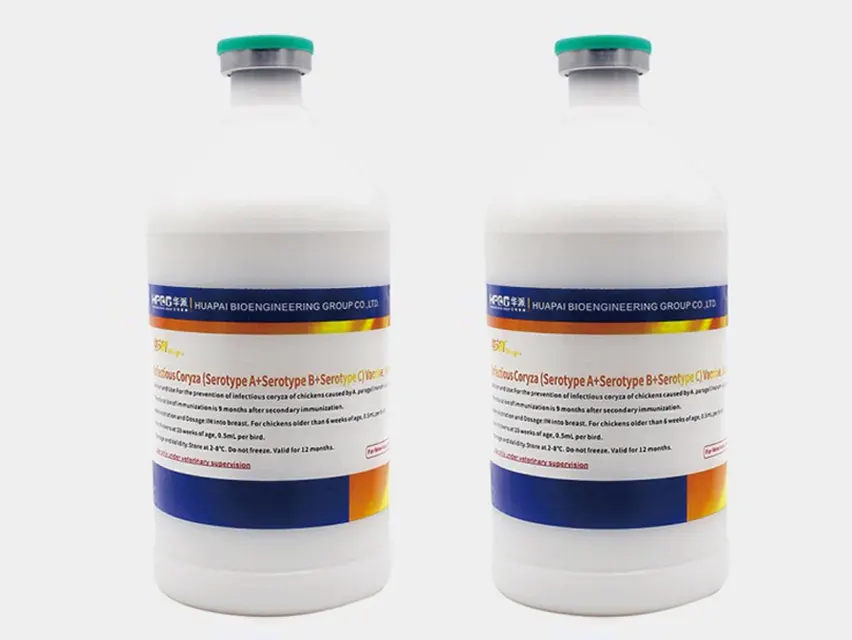
Biosicurezza: Strictly control the entry of foreign personnel and vehicles into the chicken farm to avoid the introduction of pathogens.
Regular monitoring: Regularly check the health of the chickens and deal with abnormalities in a timely manner.
Infectious coryza is a common poultry disease that can affect backyard chickens. It is equivalent to the common cold, and if left unchecked, it can become serious. Fortunately, if proper supportive care is given, chickens can recover from infectious coryza on their own. Although it is a common infection, you can prevent infectious coryza from becoming a problem in your flock by maintaining a closed flock as much as possible and implementing good hygiene procedures. A balanced diet, proper care and good biosafety can keep your backyard chickens safe and healthy!