Che cos'è il virus della malattia di Newcastle?
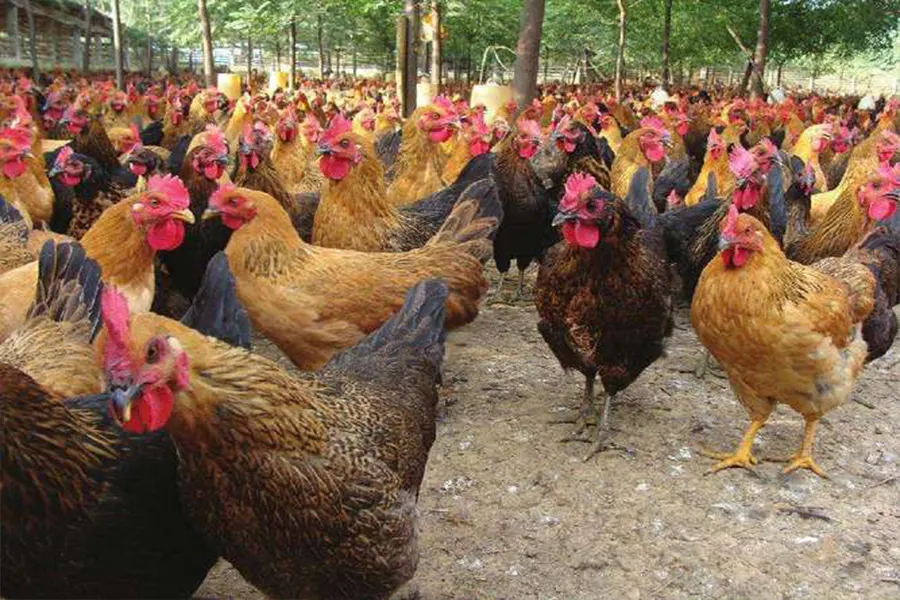
Il virus della malattia di Newcastle (NDV), noto anche come Avian paramyxovirus 1 (APMV-1), è un virus appartenente alla famiglia Paramyxoviridae e al genere Paramyxovirus. Può causare una malattia infettiva altamente contagiosa, acuta e grave chiamata malattia di Newcastle (ND). Questa malattia colpisce principalmente il pollame, in particolare i polli, ma può infettare anche altri uccelli, come faraone, tacchini, fagiani, pavoni, ecc. Le anatre e le oche presentano una certa resistenza a questa malattia, mentre i mammiferi di solito hanno una forte resistenza.
Struttura del virus della malattia di Newcastle
Il genoma del NDV è un RNA a singolo filamento a polarità negativa, e le particelle virali mature hanno forma sferica, con un diametro di circa 120-300 nm. Sulla superficie del virus sono presenti processi fibrosi disposti radialmente, e queste strutture sono essenziali per l'infezione delle cellule ospiti.
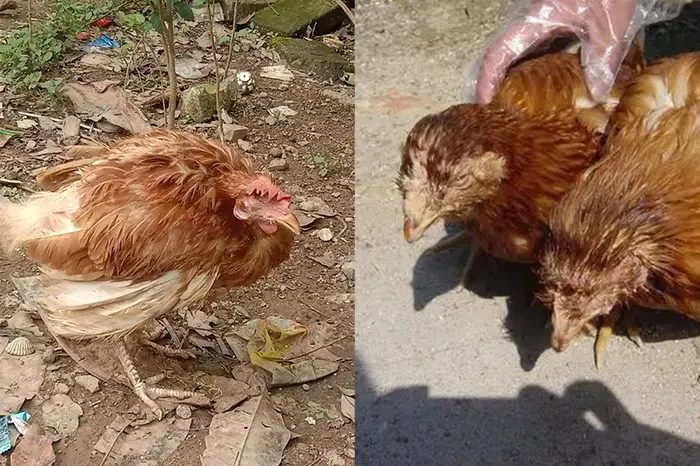
Sintomi della malattia di Newcastle nei polli
La malattia di Newcastle presenta una varietà di sintomi clinici, tra cui sintomi respiratori, nervosi e dell'apparato digerente.
Sintomi respiratori
La dispnea si manifesta con tosse, starnuti e respirazione a bocca aperta.
La respirazione è spesso accompagnata da “gorgoglii” o altri suoni anomali.
Sintomi dell'apparato digerente
Emettono feci liquide giallo-verdi, che possono essere accompagnate da sangue.
L'appetito è ridotto e il consumo di acqua aumenta.
Sintomi del sistema nervoso
Malessere mentale, torsione del collo, instabilità nella stazione eretta, tremore muscolare e altre manifestazioni.
Alcuni polli possono manifestare paralisi o paralisi.
Il periodo di incubazione della malattia è generalmente di 2-15 giorni; dopo la comparsa dei sintomi la malattia può diffondersi rapidamente e il tasso di mortalità può superare il 90% nei polli non vaccinati.
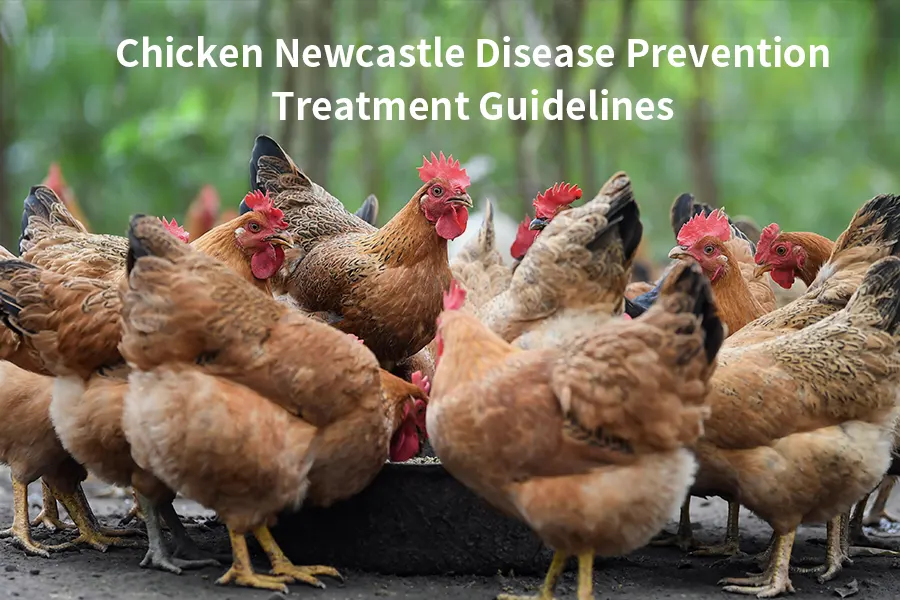
Perché si chiama malattia di Newcastle?
L'origine del nome malattia di Newcastle (ND) è legata al contesto storico in cui la malattia è stata identificata e denominata ufficialmente per la prima volta. Nel 1926 la malattia fu scoperta quasi contemporaneamente sull'isola di Giava, in Indonesia, e a Newcastle upon Tyne, nel Regno Unito. Tuttavia, fu solo nel 1927 che Doyle confermò attraverso ricerche scientifiche che si trattava di una nuova malattia infettiva, diversa dalla febbre dei polli allora nota (ossia l'influenza aviaria), e per distinguerla da quest'ultima, in base alla sua scoperta nel Regno Unito (Newcastle), la malattia fu denominata “malattia di Newcastle”.
La malattia di Newcastle è una zoonosi?
La malattia di Newcastle non è una tipica zoonosi, ma può effettivamente infettare l'uomo. La malattia di Newcastle è una malattia aviaria altamente contagiosa causata dal virus della malattia di Newcastle (NDV), che colpisce principalmente gli uccelli, in particolare il pollame. Sebbene il virus possa causare gravi problemi di salute negli uccelli e possa provocare un tasso di mortalità fino al 100%, le infezioni nell'uomo sono relativamente rare e in genere presentano sintomi lievi.
L'impatto della malattia di Newcastle sull'uomo
Sintomi dell'infezione: Dopo essere state infettate dal virus della malattia di Newcastle, le persone possono manifestare sintomi lievi simili a quelli influenzali, come febbre, tosse, mal di gola e congiuntivite. Questi sintomi sono generalmente autolimitanti e non causano gravi problemi di salute.
Gruppi a rischio elevato: Le persone che lavorano nell'allevamento del pollame, in ambito veterinario o che sono a stretto contatto con uccelli infetti presentano un rischio di infezione più elevato. Ciononostante, la stragrande maggioranza delle persone infette non presenta sintomi evidenti.
Effetti sul sistema immunitario: Viruses can cause more serious consequences in people with weak immune systems, but this is very rare.
Qual è la causa della malattia di Newcastle nei polli?
The cause of Newcastle disease in chickens is mainly caused by Newcastle disease virus (NDV), which is highly contagious and pathogenic and can infect a variety of birds, especially poultry. The following is a detailed description of the causes of Newcastle disease in chickens:
Tipi di virus della malattia di Newcastle
Newcastle disease virus is a single-stranded negative RNA virus belonging to the paramyxovirus family. According to its pathogenicity, NDV can be divided into three types:
Lentogenic: Low pathogenicity, usually manifested as mild symptoms.
Mesogenic: Moderately pathogenic, with more obvious symptoms.
Velogenic: Highly pathogenic, leading to serious clinical symptoms and high mortality.
Via di trasmissione
The Newcastle disease virus is mainly transmitted through the following channels: direct contact, airborne transmission, and environmental pollution.
- Direct contact: The secretions (such as saliva, snot) and feces of sick chickens and poisonous chickens are the main sources of infection.When healthy chickens come into direct contact with these sick birds, the virus can enter the body through the skin or mucous membranes.
- Trasmissione aerea: The virus can be carried by mediators such as dust mites through droplets or feces and dust and spread through the air.
- The influence of environmental factors: Ambient temperature, humidity, and feeding density have a greater impact on the occurrence and spread of Newcastle disease.
I polli possono sopravvivere alla malattia di Newcastle?
Whether chickens can survive after being infected with ND mainly depends on the type of virus they are infected with, the immune status of the chickens, and the effectiveness of epidemic prevention measures.
Tasso di sopravvivenza dei polli ai diversi tipi di malattia di Newcastle
Highly pathogenic virus: Chickens infected with the velogenic Newcastle disease virus, especially unvaccinated chickens, can have a mortality rate of 55% to 100%.This virus usually causes death within 3 to 4 days, especially in young chicks and unvaccinated adult birds.
Moderate and low pathogenic viruses: i virus mesogenici e lentogenici della malattia di Newcastle sono relativamente lievi. Il tipo mesogenico può causare sintomi lievi e una bassa mortalità, mentre il tipo lentogenico di solito non provoca malattie cliniche significative ed è comunemente impiegato nella vaccinazione. I polli vaccinati con un vaccino lentogenico di solito sopravvivono e mostrano sintomi più lievi quando vengono esposti al virus della malattia di Newcastle.
Fattori influenzanti
- Stato immunitario: Il tasso di sopravvivenza dei polli vaccinati contro la malattia di Newcastle è significativamente più alto di quello dei polli non vaccinati. Anche di fronte a ceppi virulenti, i polli vaccinati riescono a resistere efficacemente all'infezione e a ridurre la mortalità.
- Età: I pulcini sono particolarmente sensibili al virus della malattia di Newcastle e il tasso di mortalità dopo l'infezione è più alto rispetto ai polli adulti. Pertanto, i pulcini sono più suscettibili quando vengono esposti al virus.
- Ambiente e gestione: Buone misure di biosicurezza e buone pratiche di gestione possono ridurre notevolmente il rischio di trasmissione della malattia di Newcastle, migliorando così il tasso di sopravvivenza dei polli.
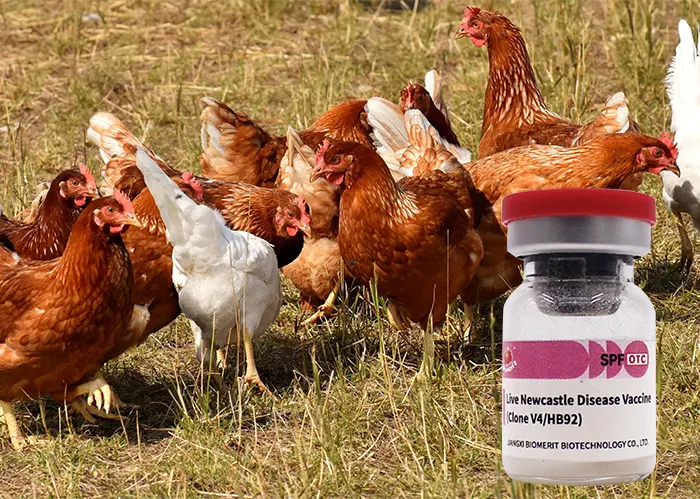
Come prevenire la malattia di Newcastle nei polli?
Prevenire la malattia di Newcastle nei polli è una misura importante per garantire la salute e la produttività del settore avicolo.
Vaccinazione regolare:
- I pulcini vengono vaccinati con il ceppo della malattia di Newcastle vaccino Clone30 all'età di 7-10 giorni, di solito tramite gocce nasali o oculari.
- La seconda vaccinazione viene effettuata all'età di 35-40 giorni.
- I polli vengono vaccinati con il vaccino gene VII della malattia di Newcastle all'età di 2-3 mesi, per rafforzare l'immunità.
- Per le galline ovaiole, rivaccinare con il vaccino gene VII da 2 a 3 settimane prima dell'inizio della deposizione, per garantire la protezione durante il periodo di deposizione delle uova.
Via di somministrazione del vaccino
- Gocce oculari/nasali: dopo aver diluito il vaccino, utilizzare un contagocce standard per instillare 1 goccia (circa 0,05 ml) in ciascun occhio o narice del pollo. Questo metodo è adatto ai pulcini.
- Drinking water vaccination: Dilute the vaccine in a solution of skim milk powder, and then let the chicken drink it. Be careful not to use tap water or well water directly so as not to affect the potency of the vaccine.
- Intramuscular injection: For certain types of vaccines (such as moderately virulent vaccines), intramuscular injection can be used. When injecting, pay attention to the angle and depth of the needle to avoid leakage.
Precauzioni
- Immunization interval: Avoid frequent vaccinations and ensure that there is sufficient time interval between each vaccination to prevent immune fatigue.
- Drug interference: To prevent the vaccine’s effect from being affected, use antiviral drugs at least 36 hours before and after vaccination.
- Environmental control: When inoculating, ensure that the chickens are in a quiet and comfortable environment to reduce stress response.
Emergency vaccination: Once a new infectious disease epidemic is found, emergency vaccination of healthy chickens is immediately carried out to reduce mortality. Priority should be given to inoculation of healthy chickens and then inoculation of suspected sick chickens.
Biosecurity measures: Strengthen breeding management, reduce breeding density, reduce stress, and improve the overall health of the flock.
- Strictly isolate newly introduced chickens to ensure that they are quarantined and observed before entering the main flock.
- It is forbidden to introduce chickens, feed and breeding equipment from the affected areas, and avoid contact with personnel in the affected areas.
Environmental disinfection: Regularly clean and disinfect the chicken coop and its surrounding environment, and use effective disinfectants to treat areas that may be contaminated.
- Ensure that personnel and vehicles are strictly disinfected before entering the chicken coop.
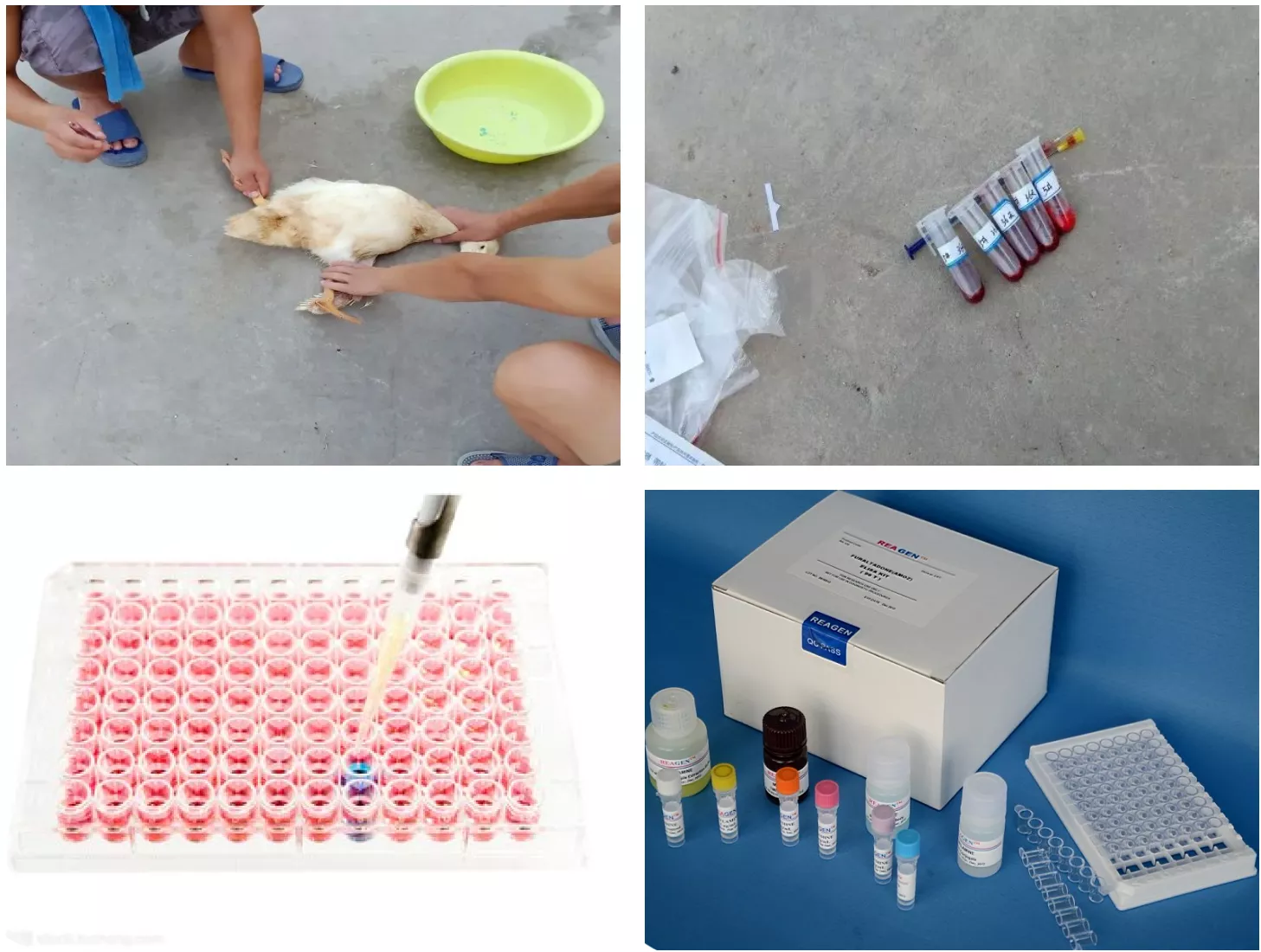
Monitoring and quarantine: Establish a regular monitoring mechanism, conduct health checks on the chickens, and detect and deal with suspicious cases in a timely manner.
- Strengthen the quarantine supervision of poultry to ensure animal health and safety during transportation and trading.
Education and training: Through training, farmers can improve their awareness of the new urban epidemic and their prevention and control skills.
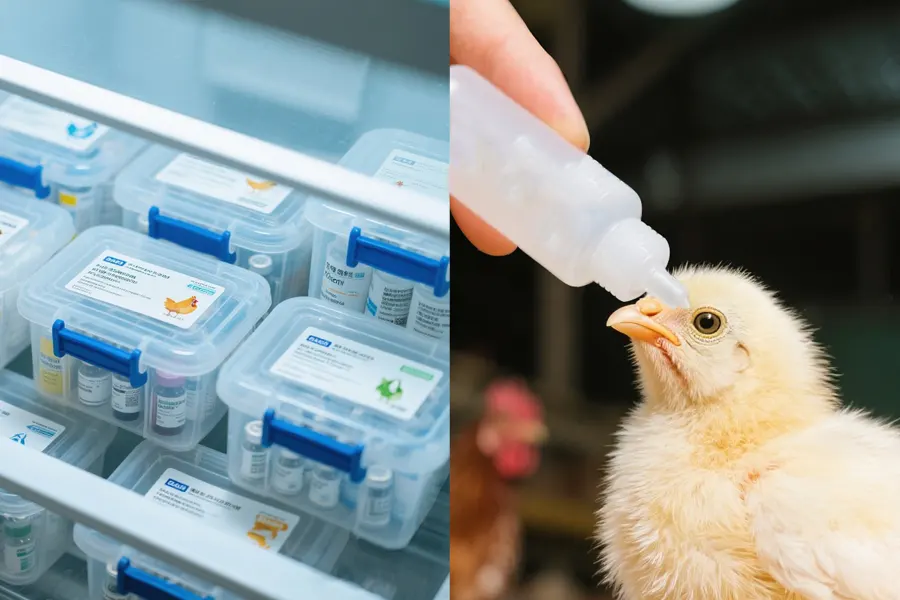
Chicken Newcastle Disease Vaccine Series
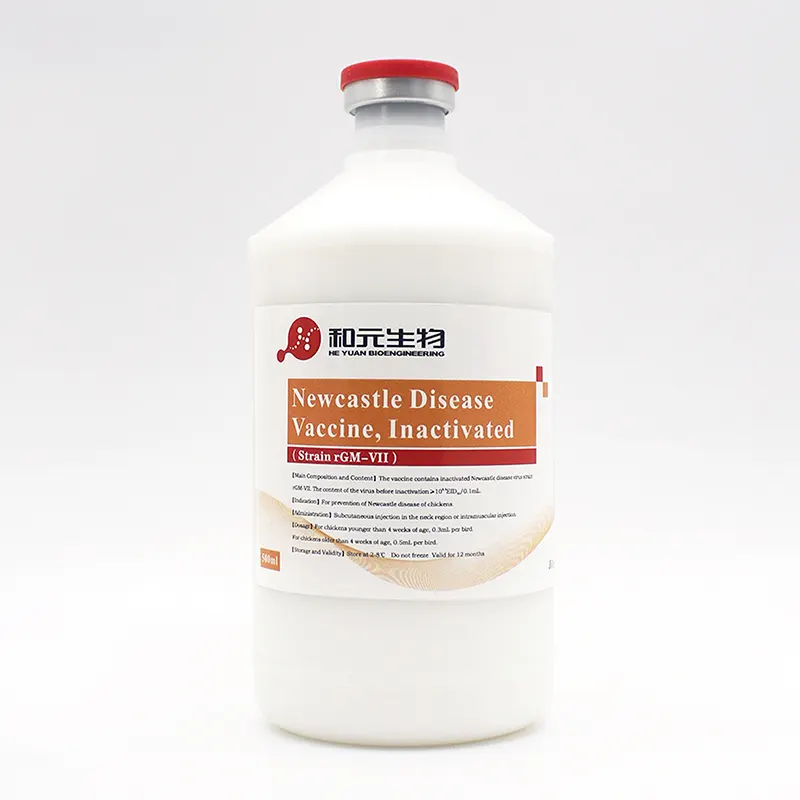
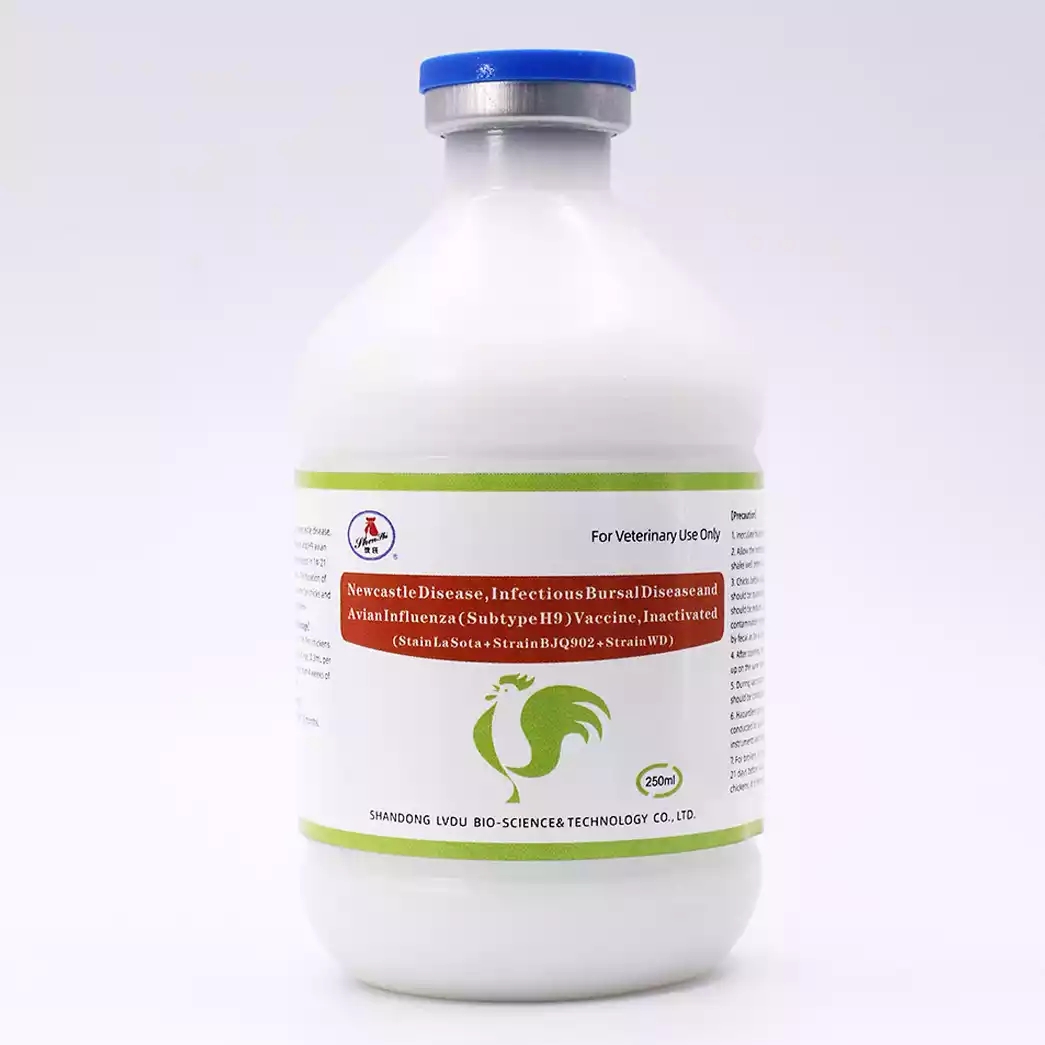
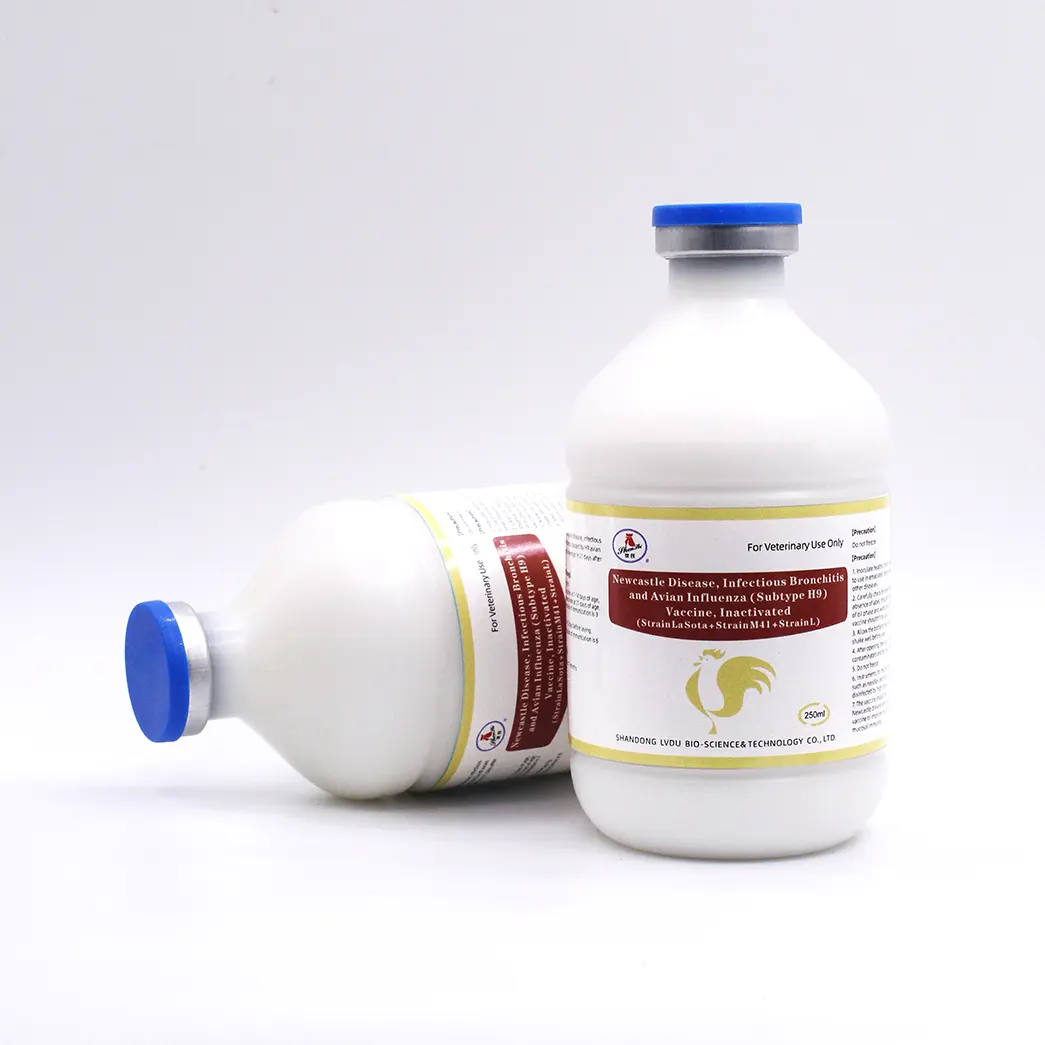
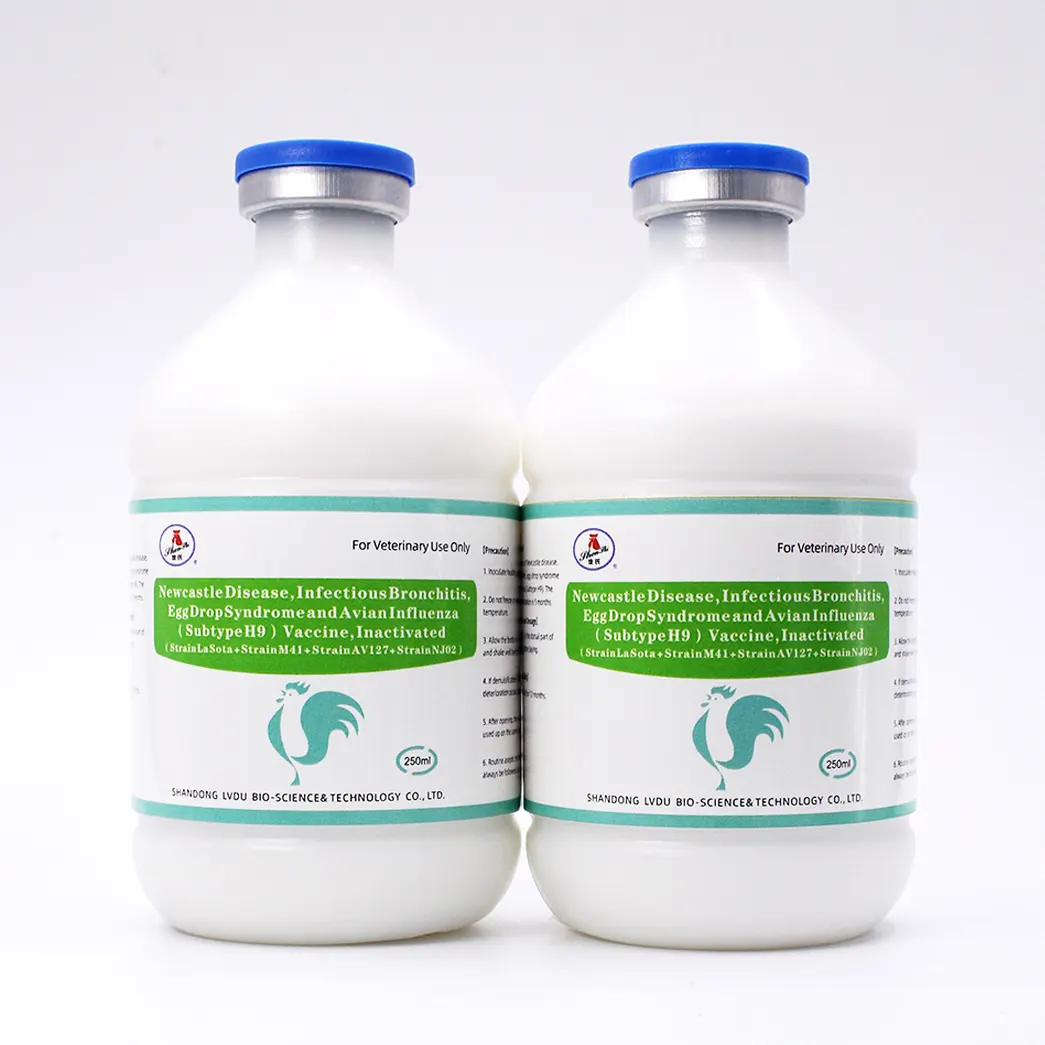
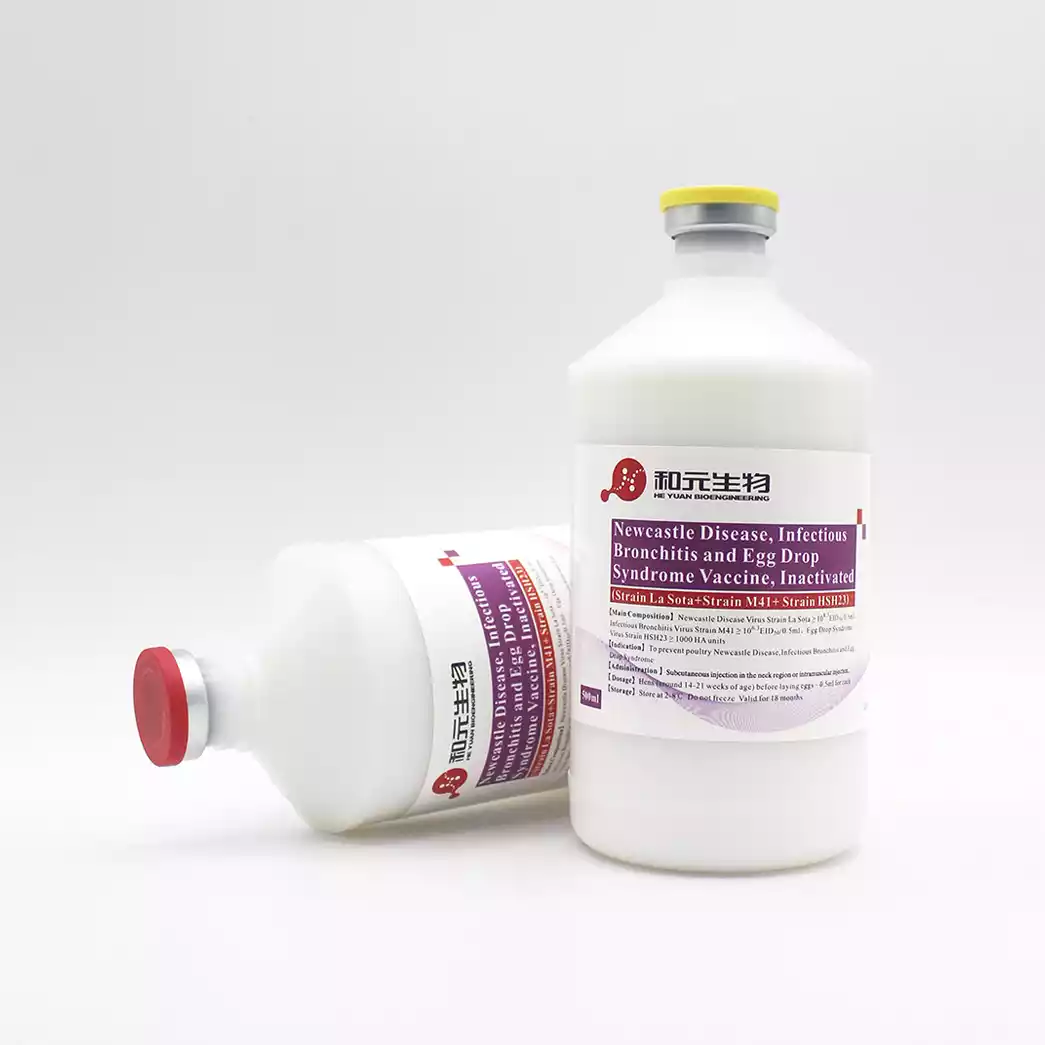
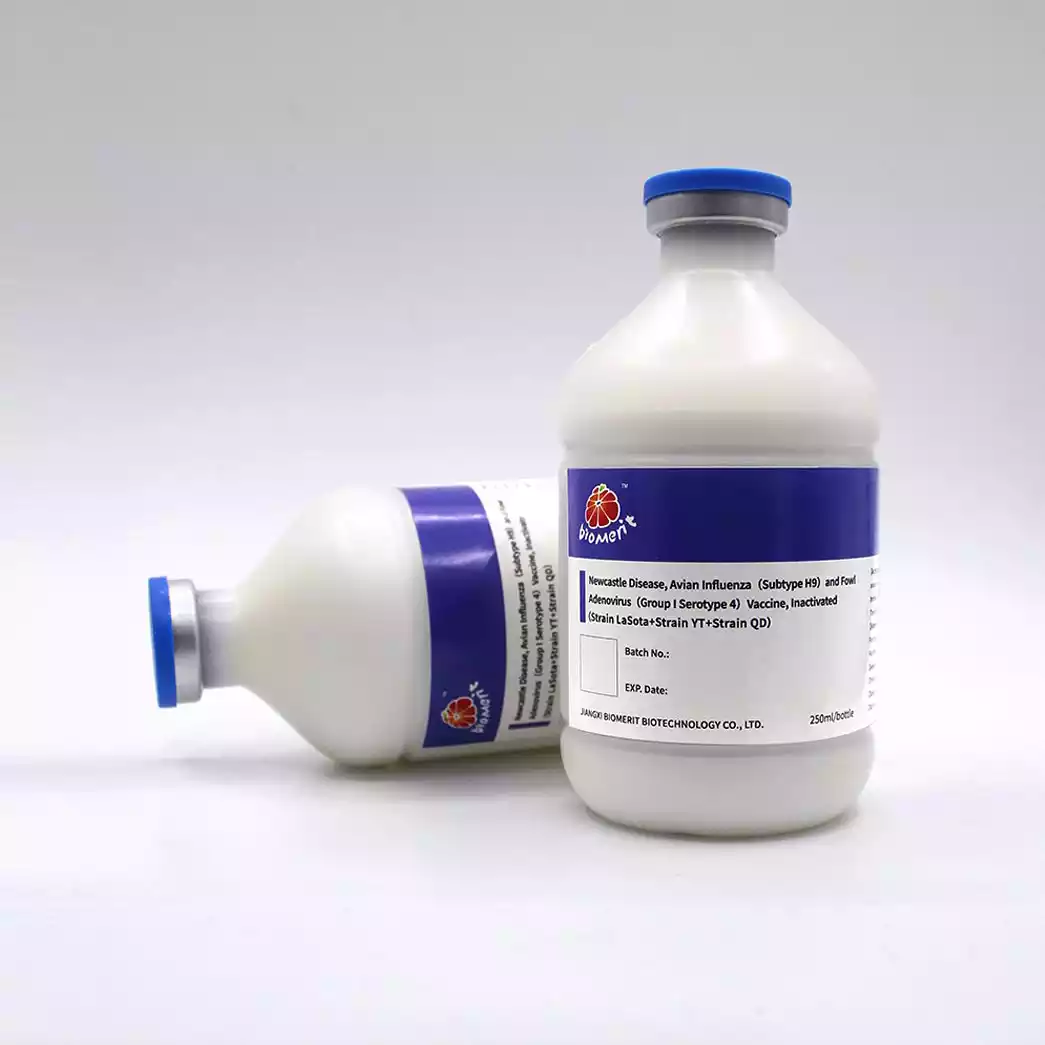
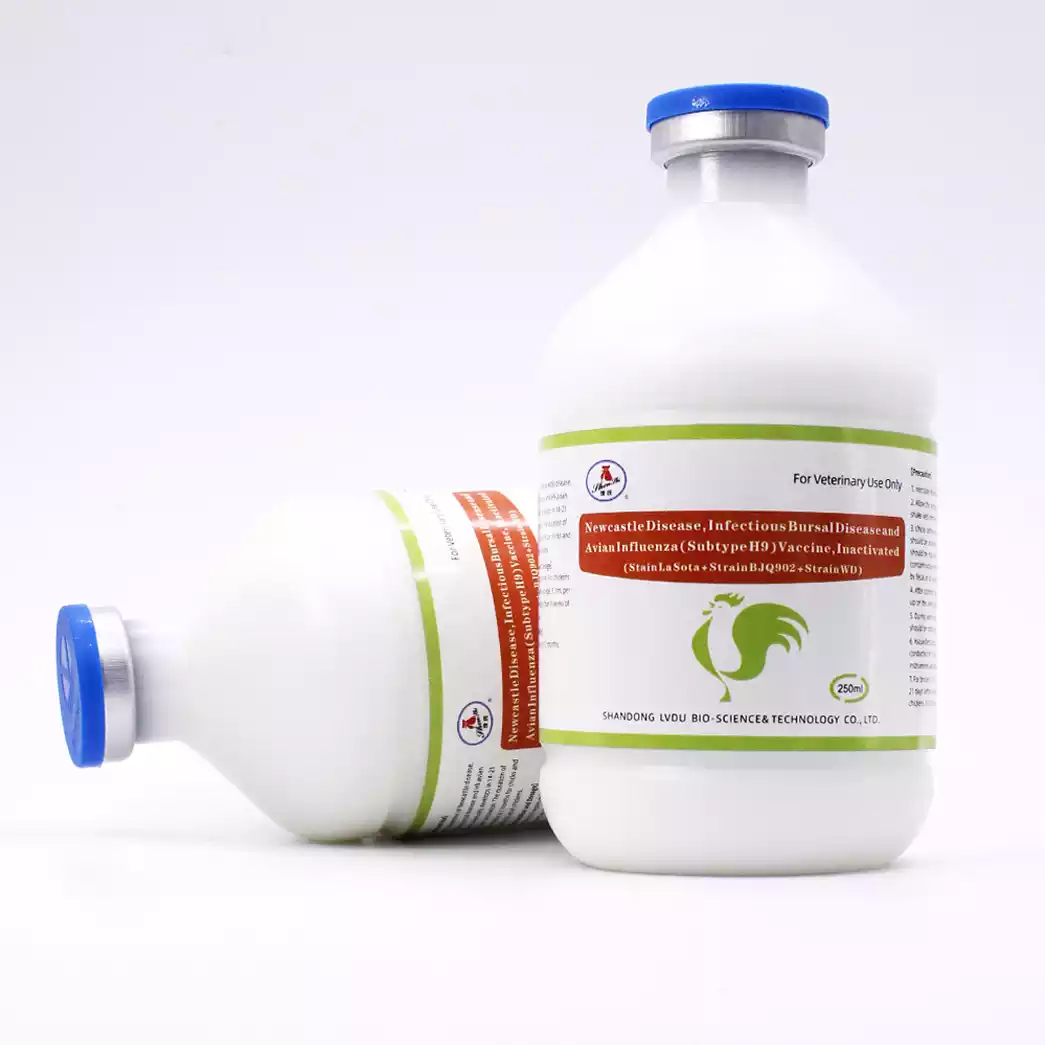
Come trattare la malattia di Newcastle nei polli?
Immunizzazione d'emergenza
- For chickens that become ill, isolate them in time.
- Healthy chickens can be vaccinated with the Newcastle disease La Sota vaccine with 6 times the amount of drinking water to enhance their immune response.
- Add levofloxacin powder (at a ratio of 0.01%) to drinking water and treat chickens continuously for three days to prevent secondary infections.
Farmaci
- Fluphenicol: To improve disease resistance, add it to the feed (at a ratio of 0.05%) and use it for three consecutive days.
- Tylosin: To help control secondary bacterial infections, it can be added to drinking water (at a ratio of 0.01%) and used for three consecutive days.
Terapia di supporto
- To supplement vitamins and electrolytes and enhance chickens’ resistance, add electrolytes (in a ratio of 0.10%) to the feed.
- Ensure a good environment in the chicken coop, control humidity, temperature and light, improve feed nutrition levels, and reduce stress.
Rigorose misure di disinfezione
- Isolate or eliminate sick chickens, and deal with sick and dead chickens and their feces in a timely manner.
- Disinfect the site, utensils, and environment, use effective disinfectants, and keep the chicken coop dry and clean.
FAQ
La malattia di Newcastle si può curare?
There is currently no special treatment for Newcastle disease. After infection, the condition is mainly managed through supportive care and preventive measures. Antibiotics are usually used to prevent secondary infections, but this does not cure Newcastle disease. Effective preventive measures include strict biosafety management and vaccination.
La malattia di Newcastle dei polli può essere trasmessa ai cani?
Chicken Newcastle disease virus (NDV) mainly affects birds, especially poultry. Although there are reports that the Newcastle disease virus can infect humans, there is no evidence that it can be transmitted to dogs or other mammals.
Le anatre possono essere infettate dalla malattia di Newcastle?
Yes, ducks can be infected with the Newcastle disease virus. Although ducks are usually less pathogenic to the Newcastle disease virus and often show asymptomatic infection, certain highly pathogenic virus strains can still cause disease and death in ducks. Ducks can not only be infected with the virus, but may also spread to other birds, including chickens.