
鸡传染性鼻炎的识别、诊断与防控 传染性鼻炎是由副鸡禽杆菌引起的鸡急性或亚急性呼吸道疾病。其特征是鼻腔和鼻窦发炎、打喷嚏、流鼻液和面部肿胀。该病发生于种鸡和蛋鸡,导致种鸡生长发育缓慢、均匀度差,蛋鸡淘汰率升高、产蛋量显著下降(10%-30%)。
病原
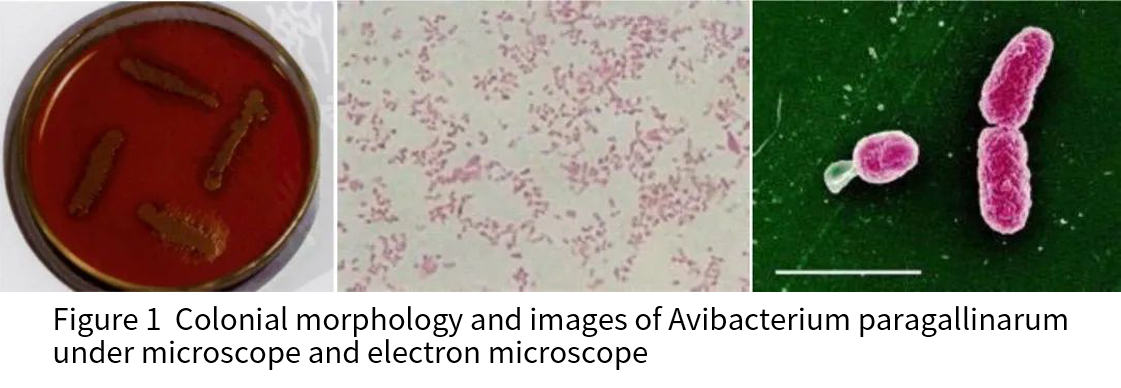
副鸡禽杆菌是一种革兰氏阴性病原体。副鸡禽杆菌有3个血清型(A、B和C)。各血清型之间无交叉保护作用,因此任何疫苗都必须含有与该鸡群相匹配的血清型。
流行病学
易感动物
各品种4周龄以上的鸡均易感,1周龄以下的雏鸡具有一定抵抗力。其他禽类(如火鸡、鸭、鹅和鸽)和实验动物(如兔、小鼠、豚鼠),无论自然感染还是人工感染,对该病均有较强抵抗力。
传播途径与传染源
该病主要通过感染鸡的呼吸道和消化道排出物传播。病鸡,尤其是慢性病鸡,是主要传染源。排出的病原体可经空气、粉尘、饮水、饲料等传播。
特点
该病无明显季节性,但由于通风不良,寒冷季节的发病率相对较高。
临床症状
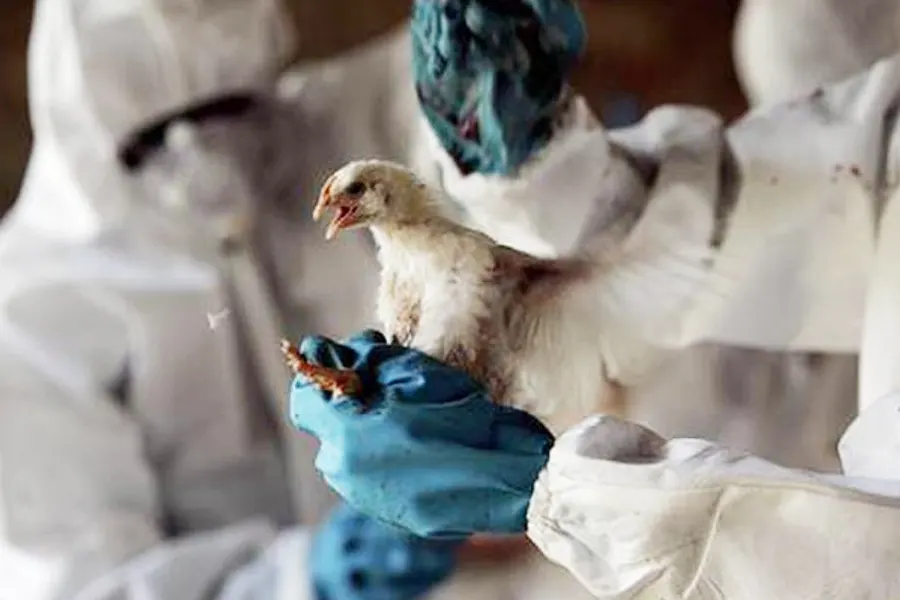
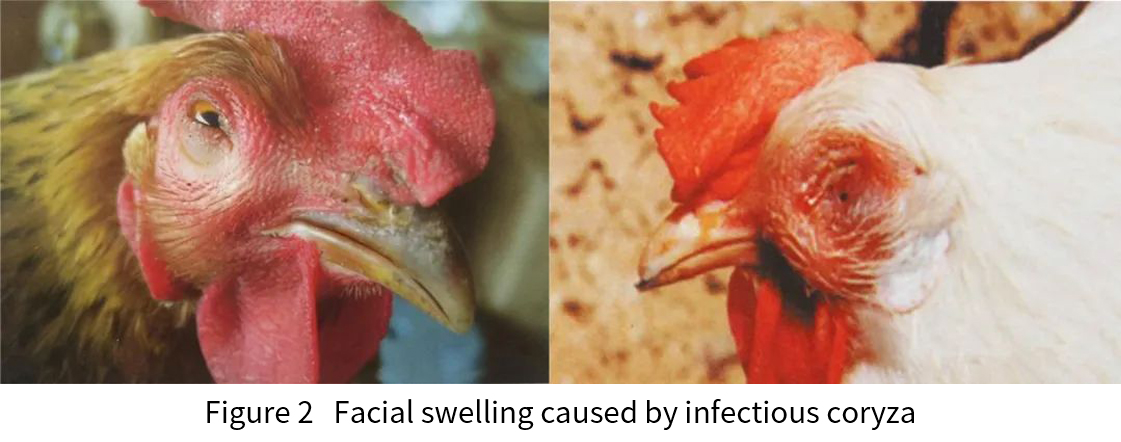
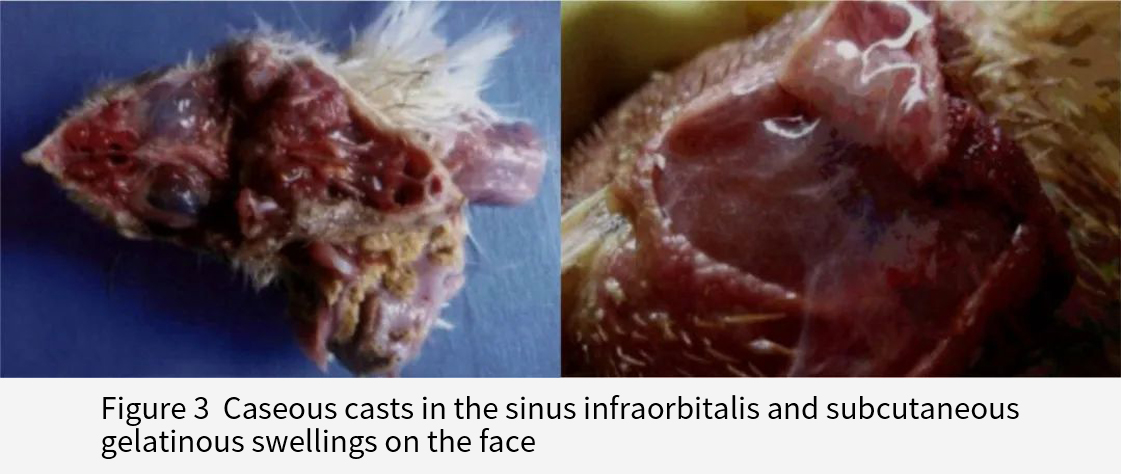
病初,感染鸡无明显症状,仅表现为打喷嚏和稀薄水样鼻液。随着病情发展,出现打喷嚏、呼吸困难、浆液性或黏液性鼻液,鼻液逐渐变稠并产生臭味。感染鸡常摇头,不时用爪抓挠鼻和喙。黏液干燥后,在鼻孔周围形成黄色结痂。病鸡面部发炎,一侧或双眼周围组织肿胀,严重病例可导致失明。病程后期,口腔和腭裂处出现干酪样渗出物。严重病例,炎症蔓延至气管、支气管和肺,引起呼吸困难和啰音。感染鸡表现为精神沉郁、食欲不振、体重减轻,母鸡产蛋量下降,公鸡肉垂肿大。自然感染潜伏期相对较短,通常为1-3天,人工感染潜伏期为18-36小时。病程长短不一,接种培养物引起的病程为6-14天,鼻窦传染性分泌物引起的病程可超过50天。死亡率约为20%,发生并发症时死亡率升高。
病理变化
主要病变为鼻腔、鼻窦、喉及气管黏膜的急性卡他性炎症,充血、肿胀、潮红,表面覆有大量黏液,鼻窦内积有渗出物或干酪样坏死物,严重病例可导致支气管肺炎和气囊炎。面部和肉垂皮下组织水肿,眼和鼻有恶臭分泌物,分泌物形成结痂,偶尔出现眼睑粘连。一般无内脏病变。产蛋母鸡输卵管内有干酪样黄色渗出物,卵巢卵泡软化,伴有血肿、肿胀、坏死或萎缩。严重病例可能发生腹膜炎。
防控
加强饲养管理
应提供优质全价饲料和多种维生素,确保维生素和微量元素充足供应,尤其是维生素A、维生素E和维生素C,以提高鸡的免疫力。保持饮水清洁,定期清洗水线。降低饲养密度和氨气浓度,保持鸡舍温暖且通风良好。减少由气候变化、温差和饲养管理不当引起的应激。
做好生物安全、卫生与消毒
应定期消毒并实施科学管理,以切断传染源,阻止疾病传播。可实行“全进全出”管理。禁止在同一场区饲养不同日龄的鸡,并应合理调整饲养密度。耐过良好的康复鸡常成为带菌者,是主要传染源。在发病场区(鸡舍)应对感染鸡和康复带菌鸡采取隔离、消毒和淘汰措施。禁止随意丢弃病死感染鸡,必须及时收集并送至指定地点焚烧或深埋。
对传染性鼻炎而言,预防胜于治疗
Therefore, the strategy of prevention in the first place and integrating prevention with treatment should be taken. Once an outbreak occurs, timely cull infected chickens and conduct a thorough disinfection. Sulfonamides, enrofloxacin, florfenicol, doxycycline, or gentamicin can be used, and the early treatment will produce a good effect. Emergency immunization with inactivated vaccines against infectious coryza when the disease outbreaks will also contribute to a good effect. Animals tend to develop resistance when treated with antibiotics. It is advisable to perform antimicrobial susceptibility test after isolating bacteria, and to combine 2-3 drugs according to the results. There are three serovars of A. paragallinarum(A, B, and C) worldwide. These are not cross-protective so there is a high demand for infectious coryza vaccines. 如何治疗鸡传染性鼻炎?
免疫程序与疫苗
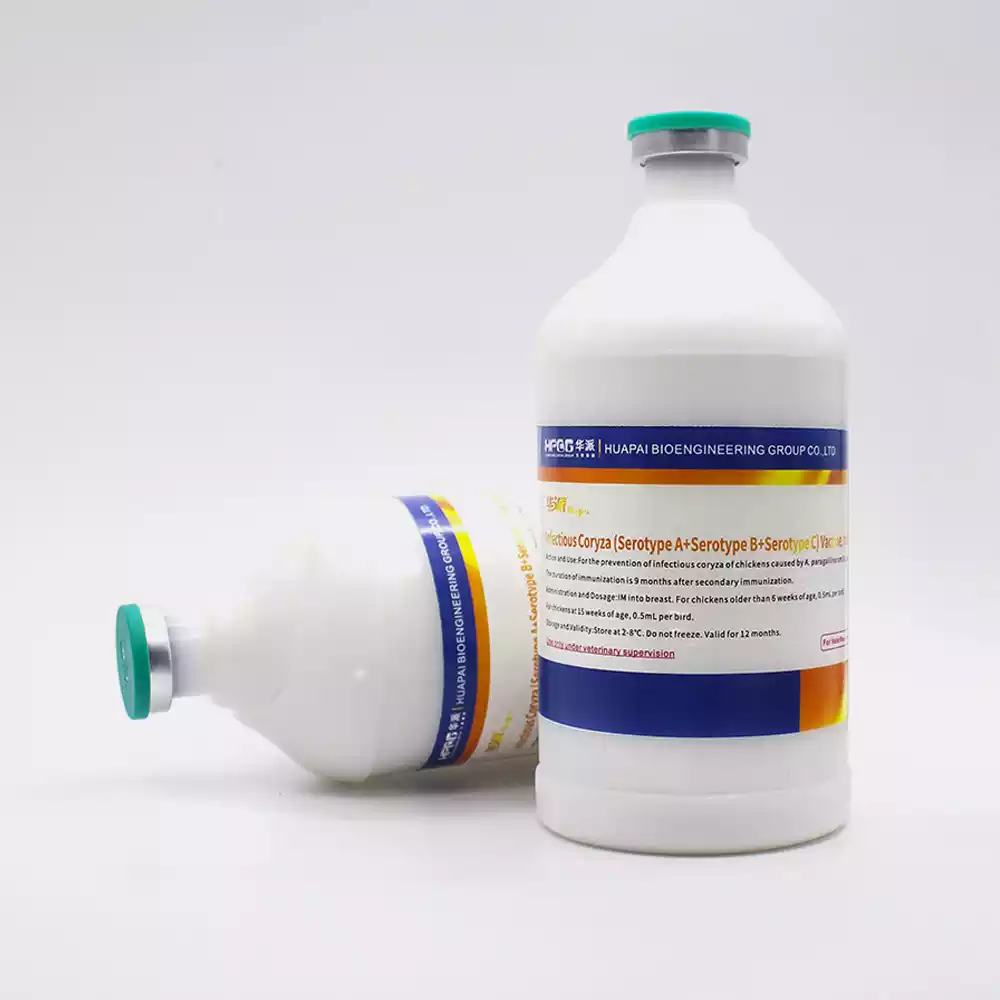
Infectious Coryza(Serotype A+Serotype B+Serotype C) Vaccine, Inactivated from WIXBIO can be used for the prevention and control of infectious coryza. With three serovars of A. paragallinarum(A, B, and C), it can provide comprehensive protection for chickens, with a proven protection rate of higher than 90%. In addition, it has a high safety profile and causes small side effects.
鸡传染性鼻炎疫苗接种
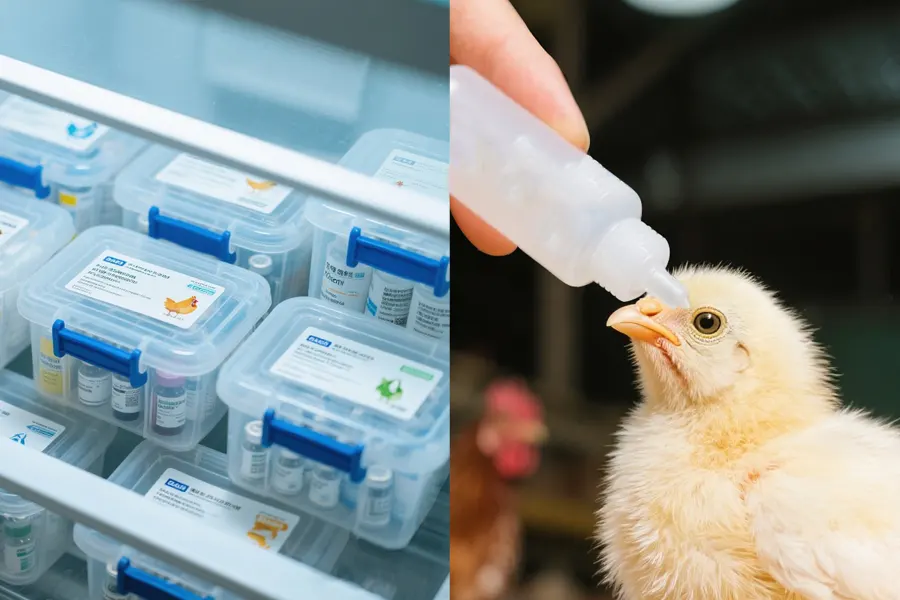
Bacterial vaccines usually have lower immunogenicity and induce antibodies slower than viral vaccines. Therefore, vaccination against infectious coryza should be not fewer than two times.
According to statistics, a single vaccination brings poor immune effect and a relative high incidence of infectious coryza in layers. Two vaccinations have to be performed in laying hen farms. The first vaccination induces a small amount of antibodies, and mainly the memory cells. After the second vaccination, the antibodies surges and provides a long-lasting protection. For breeding chicken farms, young chickens must be vaccinated with inactivated vaccine against infectious coryza before sold, and their immune status should be informed to customers.
And a second vaccination is recommended. It is necessary to know the vaccination status of breeders against infectious coryza, so as to determine the timing of the first immunization. Three vaccinations should be performed by breeder farms to ensure that breeders have enough high antibody level and sufficient maternal antibodies to protect their offspring. The recommended vaccination programs are as follows(Tables 1, 2, and 3)
| Recommended routine vaccination programs | ||||
| 日龄 | 疫苗 | 毒株 | 注射部位 | 剂量 |
| 5-7 weeks of age | Infectious Coryza (Serotype A +Serotype B+ Serotype C)Vaccine,Inactivated | Serotype A +Serotype B + | Superficial breast muscle(Recommended)Intramuscularinjection in the leg region is forbidden. | 0.5mL/dose |
| 12 weeks of age | Infectious Coryza (Serotype A +Serotype B+ Serotype C)Vaccine,Inactivated | Serotype A +Serotype B + | Superficial breast muscle(Recommended)Intramuscularinjection in the leg region is forbidden. | 0.5mL/dose |
| Recommended vaccination programs for purchased young chickens (never vaccinated with vaccinesagainst infectious coryza) | ||||
| Days ofage/day | 疫苗 | 毒株 | 注射部位 | 剂量 |
| 65-70 | Infectious Coryza (Serotype A+Serotype B+Serotype C) Vaccine, Inactivated | Serotype A +Serotype B +Serotype C | Superficial breast muscle(Recommended)Intramuscular injection in the leg region is forbidden. | 0.5mL/dose |
| 100-110 | Infectious Coryza (Serotype A+Serotype B+Serotype C) Vaccine, Inactivated | Serotype A +Serotype B +Serotype C | Superficial breast muscle(Recommended)Intramuscular injection in the leg region is forbidden. | 0.5mL/dose |
| Recommended vaccination programs for farms attacked by serious infectious coryza | ||||
| Days ofage/day | 疫苗 | 毒株 | 注射部位 | 剂量 |
| 300 | Infectious Coryza (Serotype A+Serotype B+Serotype C) Vaccine, inactivated | Serotype A +Serotype B +Serotype C | Superficial breast muscle(Recommended)Intramuscular injection in the leg region is forbidden. | 0.5mL/dose |
相关产品推荐