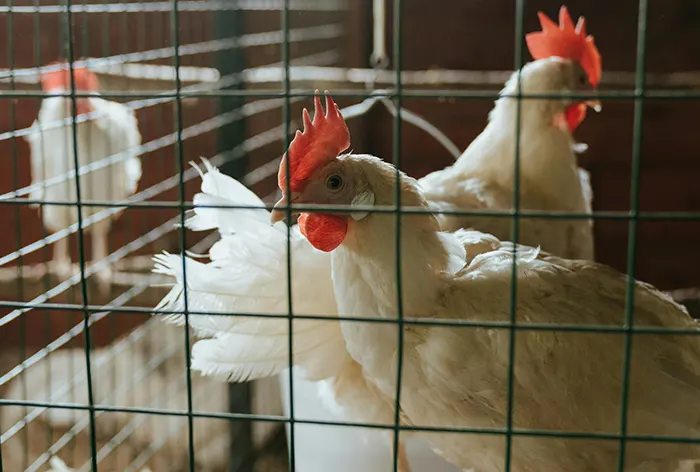
Infectious Bursal Disease (IBD) causes farmers great headaches in chicken farms. It not only affects the healthy growth of chicks but can also lead to large-scale mortality in severe cases, causing significant economic losses in the poultry industry. So, what exactly is IBD, and how can we effectively prevent, control, and treat it? Let’s dive into the details.
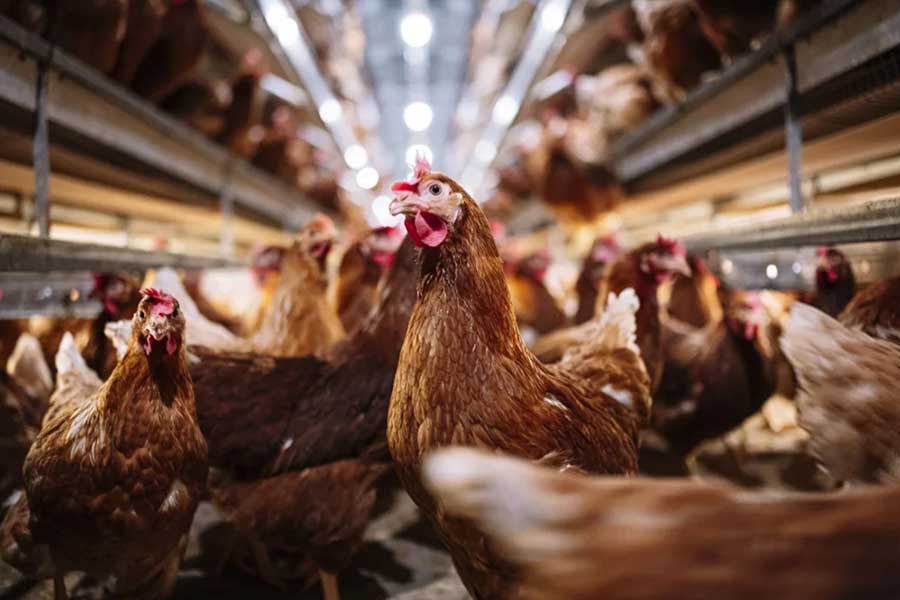
What is Infectious Bursal Disease?
Infectious Bursal Disease (IBD), also known as Gumboro Disease or Infectious Bursa Inflammation, is an acute, highly contagious, and immunosuppressive avian infectious disease caused by a virus of the genus avian birnavirus of the family Birnaviridae. It mainly affects chicks between 3 to 6 weeks of age. Although adult chickens can also be infected, the symptoms tend to be milder. The Bursa of Fabricius is a vital immune organ in chickens, responsible for producing B lymphocytes to help fight foreign pathogens. It is this key area that IBDV attacks, causing the chicken’s immune system to be severely suppressed, thus making it more susceptible to other pathogens.
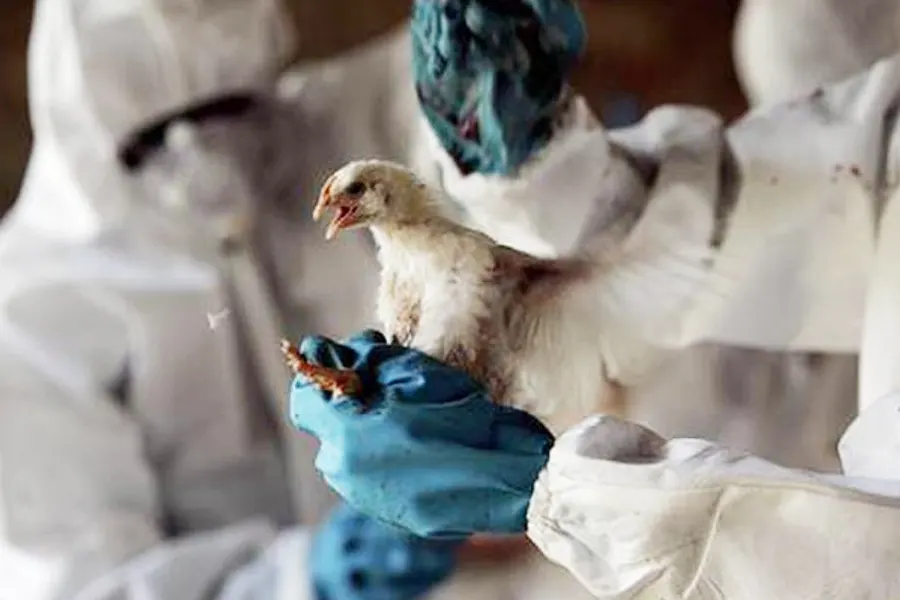
Sick chickens usually show symptoms such as fever, loss of appetite, diarrhea, and loose feathers, which may lead to death in severe cases. Especially in an environment with imperfect vaccination or improper management, bursal disease can spread rapidly and cause large-scale epidemics.
How is Infectious Bursal Disease Transmitted?
IBD spreads through a variety of routes. The virus is primarily transmitted via feces, air, and contaminated equipment. 감염된 닭의 배설물에는 다량의 바이러스가 함유되어 있어, 주변에 있는 닭은 직접 접촉이나 공기 전파를 통해 감염될 수 있습니다. 따라서 병든 가금류의 격리와 환경 청소 및 소독이 특히 중요합니다.
How Can Infectious Bursal Disease Be Controlled?
백신 접종
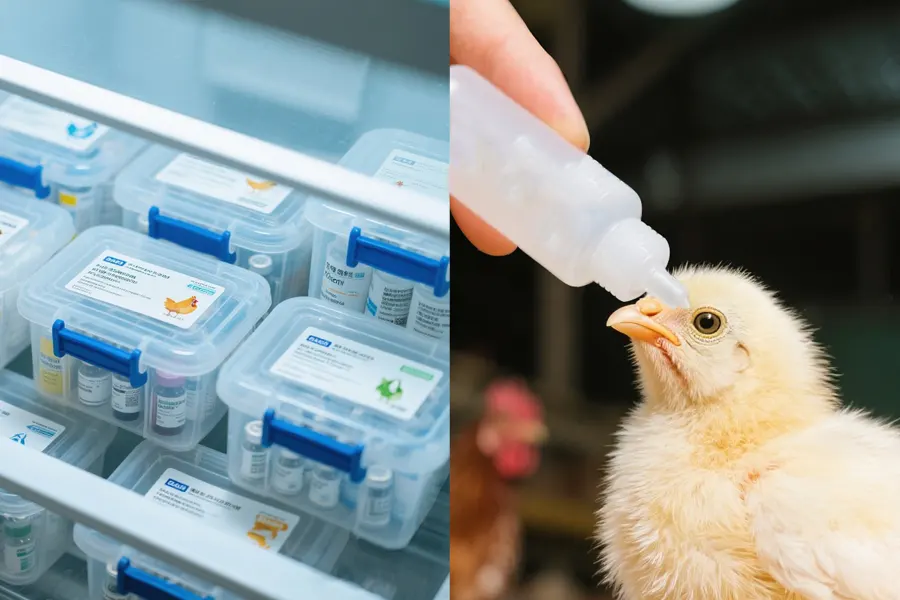
예방접종은 IBD를 예방하는 가장 효과적인 방법입니다. 백신은 불활성화 백신, 약독화 백신, 재조합 백신 등 다양한 종류가 있습니다. 백신은 음수 투여, 분무, 근육 주사 등의 방법으로 접종할 수 있습니다. 조기에 예방접종을 하면 면역 장벽을 형성하여 감염 위험을 줄이는 데 도움이 됩니다.
Environmental Hygiene
사육 환경의 위생을 유지하는 것이 필수적입니다. 계사, 급수기, 급이기 등 닭이 자주 접촉하는 곳을 정기적으로 소독하면 바이러스 전파 가능성을 효과적으로 줄일 수 있습니다. 동시에 닭의 사육 밀도를 조절하고 과밀 사육을 피하면 질병 확산을 줄이는 데 도움이 됩니다.
격리 및 검사
계군에서 의심 증상이 발견되면 병든 닭을 격리하고 바이러스 검사를 실시해야 합니다. 전염성 F낭병으로 진단이 확정되면 바이러스가 다른 건강한 계군으로 퍼지는 것을 막기 위해 즉시 격리 조치를 취해야 합니다.
How is Infectious Bursal Disease Treated?
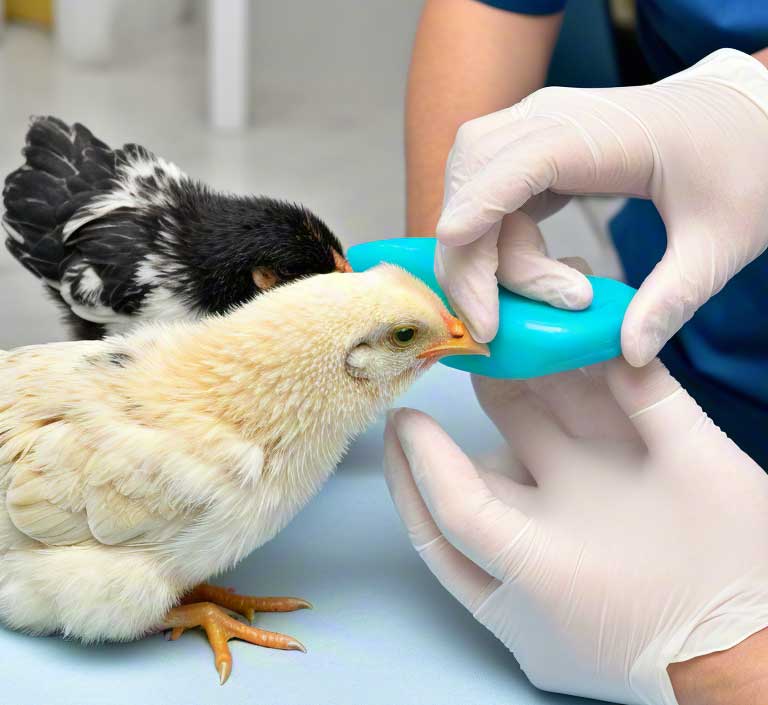
현재 전염성 F낭병을 직접 치료할 수 있는 특효약은 없지만, 증상을 완화하고 생존율을 높이기 위해 몇 가지 보조 치료를 시행할 수 있습니다:
Symptomatic Treatment
병든 닭에게는 증상을 완화하기 위한 대증 치료를 실시합니다. 예를 들어 항생제를 사용해 동반된 세균 감염을 치료하고 이차 질병을 억제할 수 있습니다. 동시에 닭에게 충분한 물과 영양분을 공급하여 체력을 회복하도록 돕습니다.
Vitamin and Electrolyte Supplementation
치료 과정에서 적절한 비타민과 전해질을 보충하면 닭의 면역력과 질병 저항력을 높여 더 잘 회복하는 데 도움이 됩니다.
사육 환경 관리
Ensure that the temperature and humidity in the chicken house are appropriate, reduce stress factors, improve the living environment of chickens, and enhance the self-repair ability of their immune system.
Is There a Cure for Infectious Bursal Disease?
Currently, there are limited cures for infectious bursal disease because the disease is caused by a virus and viral diseases usually lack specific drugs. The most effective approach remains prevention. Through vaccination, the risk of infection can be significantly reduced, effectively preventing the disease from occurring.
There are various types of vaccines available for IBD, including live vaccines, inactivated vaccines, and combined vaccines (such as the ND-AI-IBD 및 ND-IB-AI-IBD vaccines provided by WIXBIO). Selecting the appropriate vaccine based on the specific situation of the flock can greatly minimize the risk of infection.
In addition, early detection of sick chickens and timely isolation is critical for controlling the spread of the disease. If the infection is detected early, some chickens may recover. However, for flocks with prolonged or severe infections, the chances of recovery are significantly lower. Thus, early prevention and proper management are crucial for poultry farmers.
요약
Infectious Bursal Disease is a common and highly fatal infectious disease in poultry farming, severely affecting the immune system of chickens. Through vaccination, maintaining environmental hygiene, and implementing strong biosecurity measures, the disease can be effectively controlled and prevented. While there is no specific treatment to cure the disease, early prevention, scientific management, and timely treatment can reduce losses and help ensure the health of the flock.