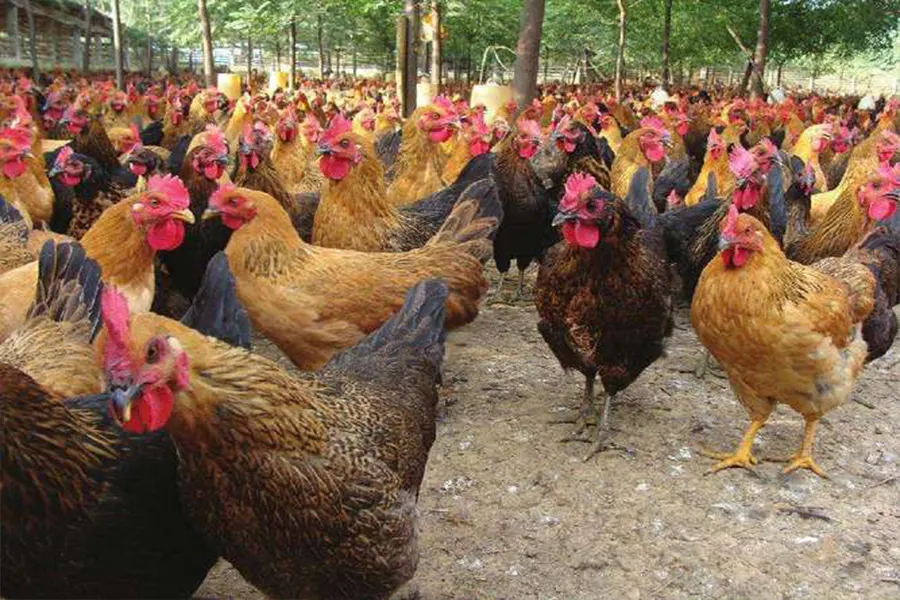
닭의 전염성 점액낭병(IBD)은 전염성 점액낭병 바이러스(IBDV)에 의해 발생하는 급성이며 전염성이 매우 높은 주로 면역억제성 질병으로, 전 세계 가금 산업에 막대한 경제적 손실을 초래해 왔다. 최근 몇 년간 중국에서는 새로운 변이주(nVarIBDV)가 널리 유행하는 것으로 확인되었으며, 이는 전통적인 초강독성주(vvIBDV)와 다른 항원성 및 병원성을 나타내고 전통 백신에 의한 보호 효과는 제한적이다. 본 논문은 최신 연구를 바탕으로 중국 내 IBDV 변이주의 역학, 항원 변화, VP2 유전자 서열 분석, 예방 및 관리 대책을 체계적으로 요약하여 질병의 효과적인 관리에 과학적 근거를 제공한다.
전염성 점액낭병(IBD) 개요
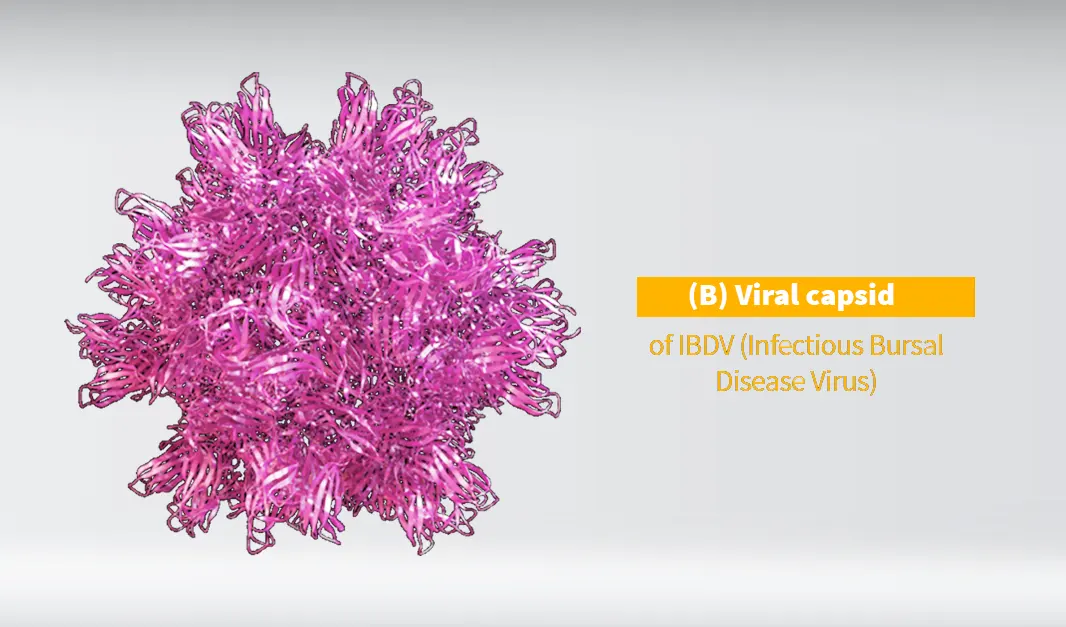
전염성 점액낭병 바이러스(IBDV)는 Birnaviridae과 Avibirnavirus속에 속하며, 두 개의 이중 가닥 RNA 분절(A와 B)으로 구성된 게놈을 가진다:
- A 분절: VP2, VP3, VP4 및 VP5를 암호화한다. 일차 캡시드 단백질이자 보호 항원인 VP2는 바이러스 독력, 세포 친화성 및 항원 변이에 결정적이다. 이의 초가변 영역(HVR, 아미노산 206–350)은 유전적 진화 연구에 필수적이다.
- B 분절: RNA 의존성 RNA 중합효소(RdRp)인 VP1을 암호화하며, 바이러스 복제와 유전적 진화에 영향을 미친다.
IBDV는 두 가지 혈청형으로 분류된다:
- 혈청형 I: 닭에 병원성을 가지며, 고전형(cIBDV), 변이형(vaIBDV), 초강독형(vvIBDV), 약독화(atIBDV) 주를 포함한다.
- 혈청형 II: 주로 칠면조를 감염시키며 닭에는 병원성이 없다.
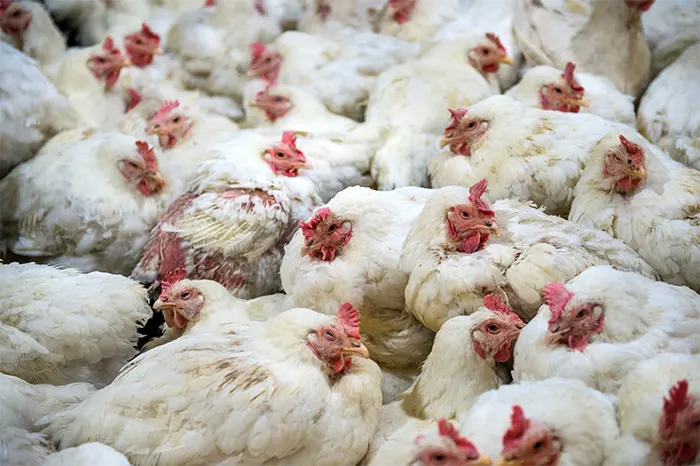
IBD는 주로 3~6주령 병아리에 발생하며, 파브리시우스낭의 B 림프구를 표적으로 삼아 심각한 면역억제를 일으키고, 2차 감염에 대한 감수성을 높이며, 다른 백신(예: 조류 인플루엔자 H5/H7)의 효능을 떨어뜨린다.
IBDV 변이주의 역학
역사적 역학
- 전 세계적 발생: 변이형 IBDV 주는 1980년대 미국에서 출현하여 고전형 주 백신에 의한 모체 항체 보호를 회피했고, 가금 산업에 중대한 위협이 되었다. 1990년대에는 중국 등 여러 국가에서 변이형 주가 산발적으로 보고되었다.
- 중국: 1990년대 이후 중국에서는 vvIBDV가 유행했으며, 높은 폐사율(60–100%)과 심각한 낭 병변이 특징이었다. 백신 접종과 사육 관리 개선으로 vvIBDV는 통제되었으나, 2017년 이후 중국 동부의 육계 밀집 지역에서 새로운 변이형 주(nVarIBDV)가 출현하여 새로운 방제 과제를 던지고 있다.
중국의 현재 역학
Weikesi 유전자 검사와 연구(예: Fan Linjin 등, 2019; 중국농업대학, 2019)에 따르면, 중국의 nVarIBDV는 다음과 같은 특징을 보인다:
- 지리적 확산: 중국 동북, 중부, 동부, 남부를 포함한 최소 15개 성/시에서 검출되었으며, 백색육계와 산란계 농장에 영향을 미친다.
- 발병 연령: 주로 25일령 이상의 육계와 육성 중인 산란계에 영향을 미치며, 연령 범위가 더 넓어 바이러스의 적응력이 높아졌음을 시사한다.
- 임상 특징:
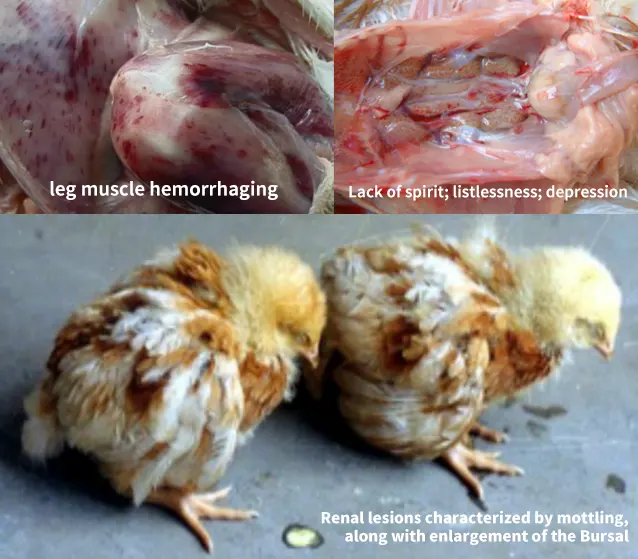
- 경미한 증상: 낭의 종대, 경미한 출혈 또는 황색 삼출물이 나타나며, 폐사율은 8% 미만이다.
- 병리학적 변화: 감염 후 1~2주에 심각한 낭 위축이 나타나며, 여포 파괴, 림프구 고갈, 초기 비장 종대와 후기 비장 위축이 동반된다.
- 영향: 병원성이 낮음에도 심각한 면역억제로 인해 2차 감염(예:, 대장균, 조류 인플루엔자)이 발생하여 사료 요구율을 높이고 체중을 감소시키며 계군 균일도를 떨어뜨린다.
- 유행 원인:
- 면역 압력: The prolonged use of vvIBDV vaccines may drive mutations or recombination, resulting in the formation of escape variants.
- Monitoring Gaps: The limited early focus on variant strains delayed the detection of their subclinical spread.
- Data: From 2019–2020, 45.1% (101/224) of bursal samples from 8 major poultry provinces tested positive for IBDV, with 52% A2dB1 (nVarIBDV) and 30% A3B3 (HLJ0504-like vvIBDV), confirming nVarIBDV as the dominant strain.
신종 IBDV 변이주의 항원 변화
항원 차이
- Serological Evidence: Cross-neutralization tests reveal significant antigenic divergence between nVarIBDV and vvIBDV. Monoclonal antibody profiles show VP2 mutations (318D, 323E) cause immune escape, reducing the efficacy of traditional vvIBDV vaccines (A3B2 genotype).
- 작용 기전: Amino acid changes in VP2 HVR (e.g., 318D, 323E) alter epitopes, lowering neutralizing antibody binding. For instance, nVarIBDV (SHG19 strain) shows a marked antigenic index difference from vvIBDV vaccine strains, with a 70% escape rate.
면역 영향
- Vaccine Failure: In vaccinated flocks, nVarIBDV causes severe bursal damage and reduced antibody levels. Fan et al. (2020) noted a 30–40% reduction in H5/H7 bivalent vaccine protection due to nVarIBDV interference.
- Secondary Infections: Immunosuppression heightens susceptibility to pathogens such as avian influenza and Salmonella, thereby amplifying economic losses.
VP2 유전자 서열 분석
유전형 분류
- Global Classification: Serotype I IBDV is divided into 7 genotypes (A1–A7) based on VP2 HVR, with nVarIBDV classified as A2dB1, distinct from U.S. variant strains (A2B1) and vvIBDV (A3B2).
- Chinese Strain Characteristics:
- Homology: Chinese nVarIBDV shares up to 94.8% homology with U.S. variant strains, <92% with classical, vvIBDV, and attenuated strains.
- Key Mutations: VP2 HVR mutations include 222T, 249K, 286I, 318D, and newly identified 221K, 252I, 299S, forming a unique Chinese nVarIBDV subgroup.
- China Agricultural University Study: In 2019, VP2 sequencing of 9 market isolates (Hz001–Hz009) revealed 96–99% homology with reference strains, confirming nVarIBDV as having protective potential.
분자 역학
- Evolutionary Trends: Since 2017, nVarIBDV has spread rapidly in China, showing recombination in Segment A (VP2) and Segment B (VP1). The A2dB1 genotype likely emerged through point mutations and recombination under immune pressure.
- Representative Strains: The SHG19 and HB202201 strains exhibit unique VP2 mutations (e.g., K221, I252), which differ significantly from those of traditional vaccine strains, necessitating tailored vaccine development.
신종 IBDV 변이주로 인한 피해
조직병리학
- Bursa of Fabricius: Post-infection, follicular structure is destroyed, lymphocytes are depleted, with heterophil infiltration and fibroblast proliferation, leading to severe atrophy and irreversible B-cell damage after 1–2 weeks.
- 비장: Early swelling with leukocytosis, followed by atrophy and reduced immune function.
- Other Organs: Occasional hemorrhage in kidneys and intestines, and spleen necrosis.
경제적 및 면역적 영향
- Direct Losses: Growth retardation (10–15% weight reduction), increased feed conversion ratio (0.2–0.3 higher), and reduced uniformity (5% higher coefficient of variation).
- Indirect Losses: Immunosuppression increases the risk of secondary infections, leading to higher antibiotic costs. For example, nVarIBDV-infected flocks exhibit a 20% higher incidence of avian influenza.
- Vaccine Interference: nVarIBDV reduces H5/H7 vaccine antibody titers by 30–40%, compromising disease control.
방제 대책
백신 최적화
- 백신 선택: Prioritize vaccines that match the nVarIBDV gene sequences (e.g., recombinant VP2 vaccines based on A2dB1). Studies show recombinant VP2 vaccines (e.g., SHG19 strain) achieve 85% protection, compared to 60% for traditional vvIBDV vaccines.
- Immunization Strategies:
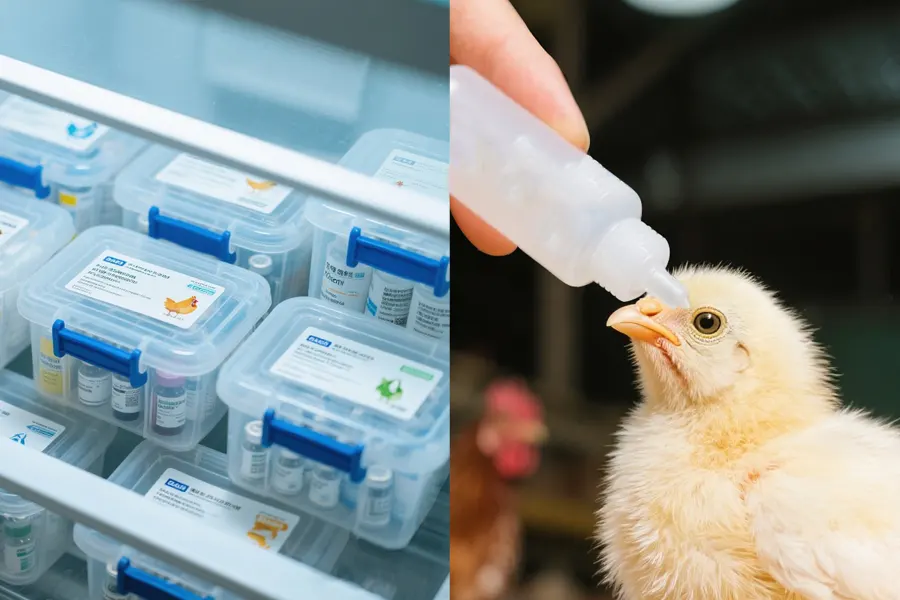
- In-Ovo or Day 1 Vaccination: Use HVT-VP2 vector vaccines or immune complex vaccines to bypass maternal antibody interference.
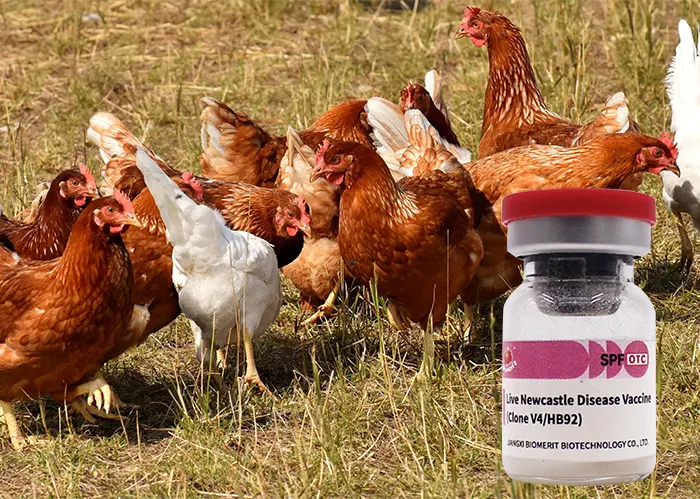
- Live + Inactivated Vaccines: Administer low-virulence live vaccines (e.g., A8B1 strain) at 1–21 days, followed by inactivated vaccines during rearing to sustain high antibody levels.
- Monitoring and Adjustment: Regularly test farm IBDV genotypes and update vaccine strains annually, as recommended by China Agricultural University.
차단방역
- Disinfection and Isolation: Disinfect affected houses with 1% peracetic acid or 0.5% glutaraldehyde, maintaining a minimum 2-week period with no occupancy.
- Management: Minimize stress (e.g., high temperatures, overcrowding), optimize ventilation (ammonia <10 ppm), and enhance flock immunity.
- Early Intervention: Administer hyperimmune serum (antibody titer ≥1:256) during early outbreaks to reduce mortality by 5–10%.
모니터링 및 진단
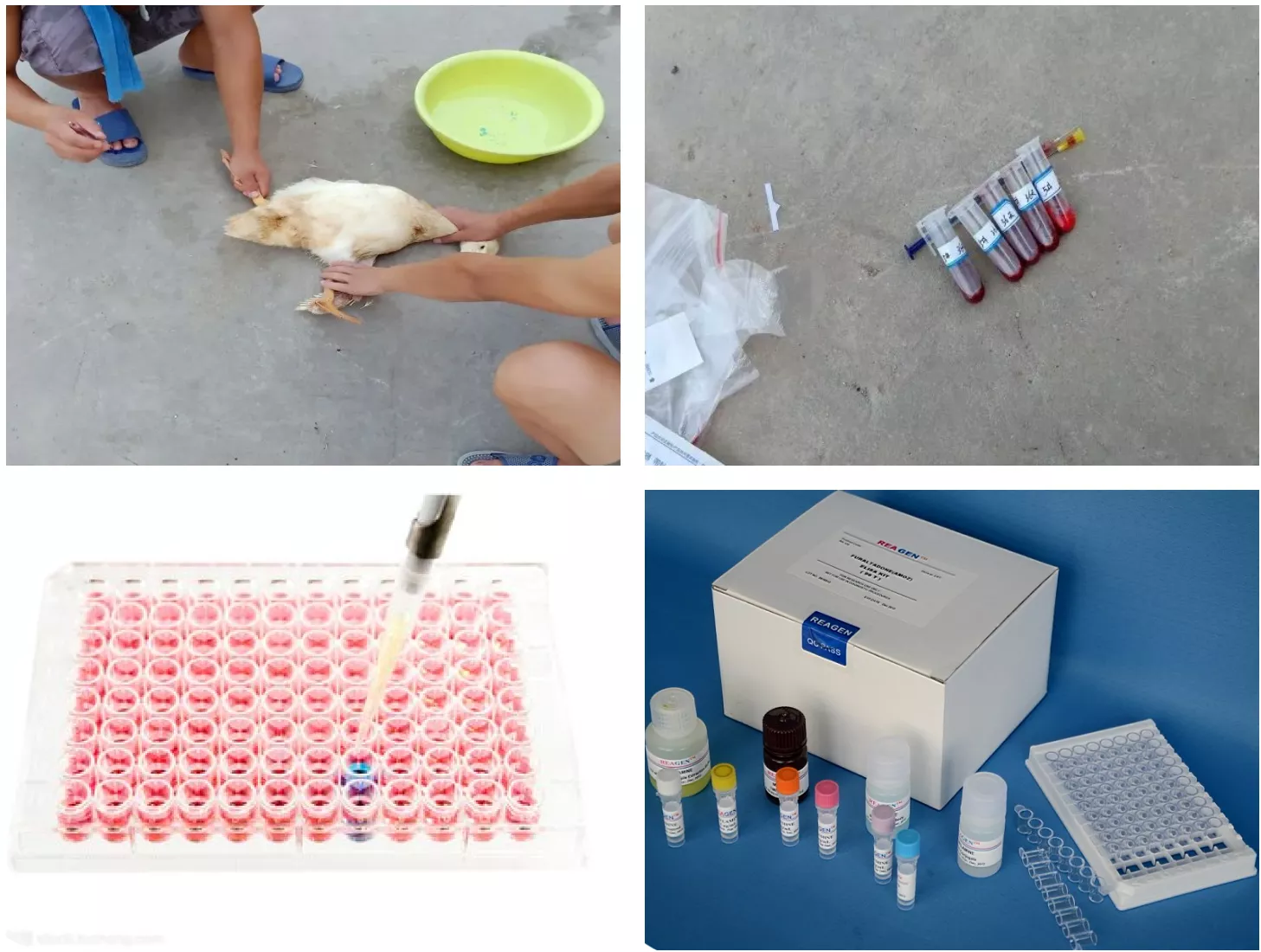
- Molecular Diagnosis: Employ RT-PCR on bursal samples, targeting VP2 HVR, with Sanger sequencing to confirm genotypes.
- Pathological Monitoring: Routinely assess bursal lesions to evaluate immunosuppression and guide control measures.
- Regional Cooperation: Establish a national IBDV epidemiology database to share gene sequences and predict variant trends.
IBDV 백신 생산에서 동물 세포 현탁 배양 기술의 적용
Based on animal cell suspension culture technology, applications in nVarIBDV vaccine production include:
- Cell Line Selection: Vero, DF-1, or CHO-K1 cells adapted for nVarIBDV (e.g., SHG19 strain) maintain greater than 90% viability through suspension adaptation. For example, Vero cell suspension culture achieves viral titers of 10^8 TCID50/mL.
- Culture Medium Optimization: Serum-free medium (e.g., CDM4CHO) with transferrin (5 mg/L) and insulin (2 mg/L) reduces contamination risk and costs by 30%.
- Bioreactor: Fed-batch or perfusion modes with airlift bioreactors support high-density culture (10^7 cells/mL), boosting vaccine yield by 40%.
- Production Process: Optimized VP2 expression via gene editing (e.g., CRISPR targeting VP2 HVR) yields recombinant vaccines that match nVarIBDV antigenicity.
- 사례 연구: A company using CHO-K1 suspension culture for nVarIBDV recombinant VP2 vaccine produced 10^9 doses per batch, reducing costs by 25% and achieving 90% protection.
요약 및 전망
Since 2017, China’s novel IBDV variant strain (A2dB1 genotype) has spread widely, exhibiting mild clinical symptoms, severe immunosuppression, and antigenic escape, with limited protection from traditional vvIBDV vaccines. VP2 sequence analysis identifies unique mutations (e.g., 221K, 252I, 318D), offering targets for vaccine development. Animal cell suspension culture technology supports efficient production and process optimization for novel vaccines.
Future Directions:
- Vaccine Development: Develop gene-engineered vaccines (e.g., VP2 subunit vaccines) for improved antigen matching.
- Technology Optimization: Promote suspension culture with smart bioreactors to lower production costs.
- Monitoring Network: Create a national IBDV genotype database for real-time tracking of variant trends.
- 국제 협력: Leverage experiences from Japan, South Korea, and others to refine control strategies.
By integrating molecular epidemiology, vaccine technology, and biosecurity, nVarIBDV can be effectively managed, ensuring the sustainable development of China’s poultry industry.
참고문헌:
- Fan L, et al. Novel variant infectious bursal disease virus suppresses Newcastle disease vaccination in broiler and layer chickens. Vet Microbiol. 2020;240:108507.
- Xu A, et al. Phylogenetic analyses and pathogenicity of a variant infectious bursal disease virus strain isolated in China. Virus Res. 2020;276:197833.
- Wang Y, et al. Genotyping and Molecular Characterization of Infectious Bursal Disease Virus Identified in Important Poultry-Raising Areas of China. Frontiers in Vet Sci. 2021;8:726753.
- MSD Veterinary Manual, Infectious Bursal Disease in Poultry, 2023.