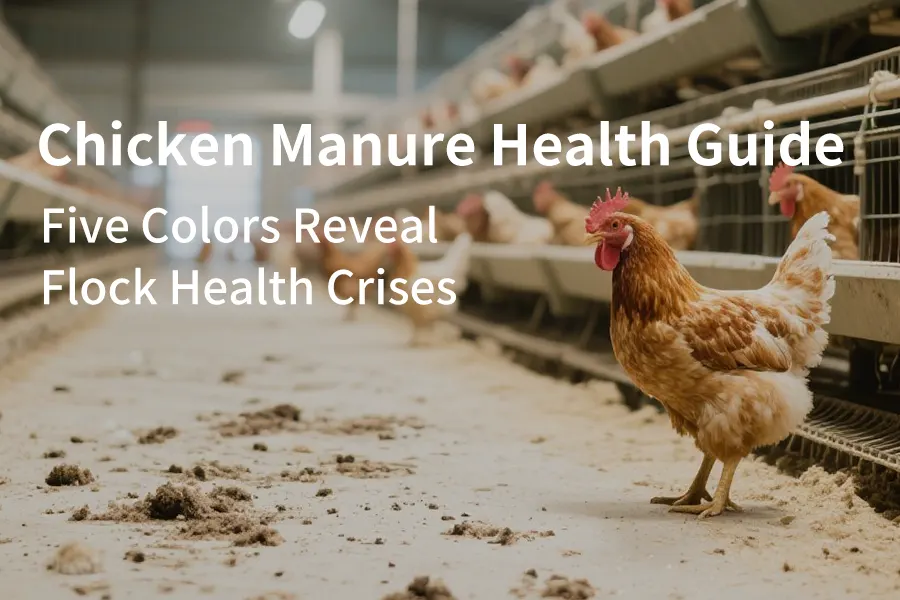
鶏の伝染性ファブリキウス嚢病(IBD)は、伝染性ファブリキウス嚢病ウイルス(IBDV)によって引き起こされる急性かつ高い伝染性を有する主に免疫抑制性の疾病であり、世界の養鶏産業に多大な経済的損失をもたらしてきた。近年、中国では新たな変異株(nVarIBDV)が広く流行していることが明らかになり、従来の超強毒株(vvIBDV)とは異なる抗原性および病原性を示し、従来のワクチンによる防御は限定的である。本稿では、最新の研究に基づき、中国におけるIBDV変異株の疫学、抗原性の変化、VP2遺伝子配列解析、および予防・防除対策を体系的に総括し、本病の効果的な制御に向けた科学的根拠を提供する。
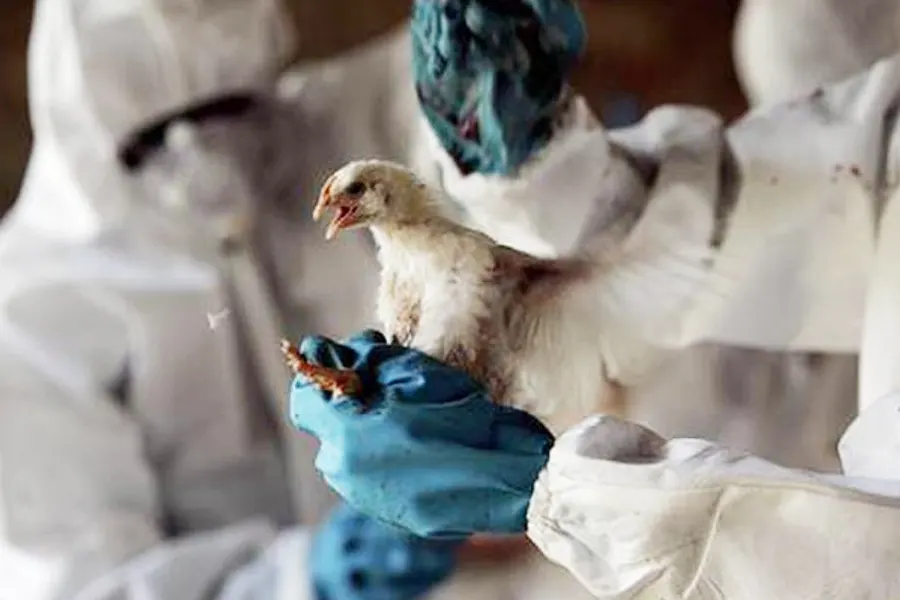
伝染性ファブリキウス嚢病(IBD)の概要
伝染性ファブリキウス嚢病ウイルス(IBDV)は、ビルナウイルス科アビビルナウイルス属に属し、ゲノムとしてAおよびBの2本の二本鎖RNA分節を有する:
- 分節A:VP2、VP3、VP4、VP5をコードする。主要なカプシドタンパク質かつ防御抗原であるVP2は、ウイルスの病原性、細胞指向性、抗原変異に重要である。その超可変領域(HVR、アミノ酸206~350)は遺伝的進化の研究に不可欠である。
- 分節B:RNA依存性RNAポリメラーゼ(RdRp)であるVP1をコードし、ウイルスの複製と遺伝的進化に影響を与える。
IBDVは2つの血清型に分類される:
- 血清型I:鶏に対して病原性を有し、古典株(cIBDV)、変異株(vaIBDV)、超強毒株(vvIBDV)、弱毒株(atIBDV)を含む。
- 血清型II: Primarily infects turkeys, non-pathogenic to chickens.
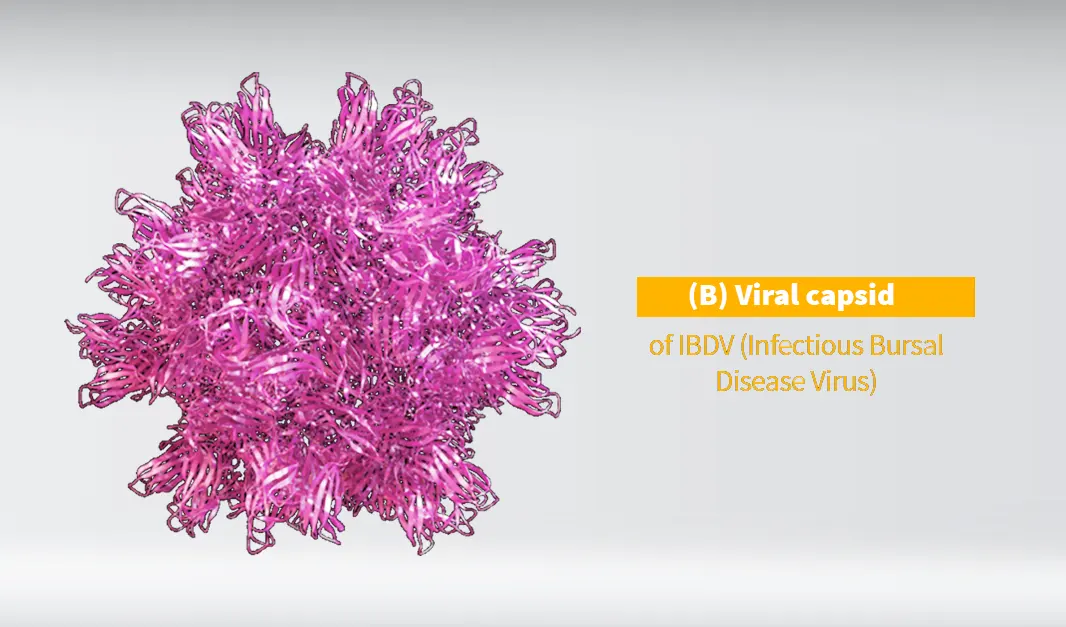
IBD primarily affects chicks aged 3–6 weeks, targeting B lymphocytes in the bursa of Fabricius, resulting in severe immunosuppression, increased susceptibility to secondary infections, and reduced efficacy of other vaccines (e.g., avian influenza H5/H7).
IBDV変異株の疫学
疫学の歴史
- Global: Variant IBDV strains emerged in the United States in the 1980s, evading maternal antibody protection from classical strain vaccines and becoming a significant threat to the poultry industry. By the 1990s, variant strains had been reported sporadically in countries such as China.
- China: Since the 1990s, vvIBDV has been prevalent in China, marked by high mortality (60–100%) and severe bursal lesions. Vaccination and improved management have controlled vvIBDV, but novel variant strains (nVarIBDV) have emerged since 2017 in eastern China’s broiler-dense regions, presenting new control challenges.
中国における現在の疫学
Based on Weikesi gene testing and studies (e.g., Fan Linjin et al., 2019; China Agricultural University, 2019), nVarIBDV in China exhibits:
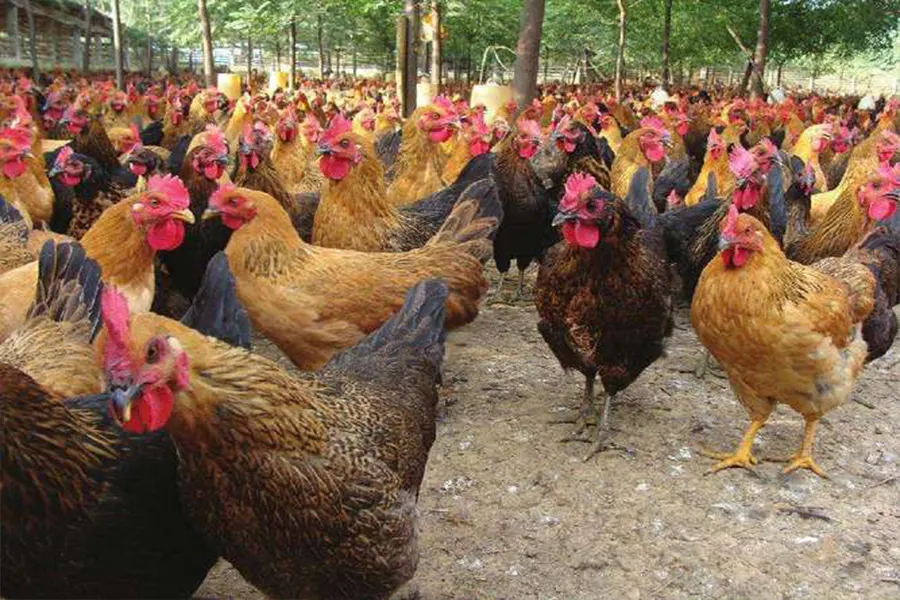
- Geographic Spread: Detected in at least 15 provinces/cities, including Northeast, Central, East, and South China, affecting white-feather broilers and layer farms.
- Age of Onset: Primarily impacts broilers over 25 days and layers in rearing, with a broader age range, indicating increased viral adaptability.
- Clinical Features:
- Mild Symptoms: Swollen bursa, minor hemorrhage, or yellow exudate, with mortality below 8%.
- Pathological Changes: Severe bursal atrophy 1–2 weeks post-infection, with follicular destruction, lymphocyte depletion, early spleen swelling, and later spleen atrophy.
- Impact: Despite lower virulence, severe immunosuppression leads to secondary infections (e.g., 大腸菌, avian influenza), which increase feed conversion ratios, reduce body weight, and impair flock uniformity.
- Reasons for Prevalence:
- Immune Pressure: The prolonged use of vvIBDV vaccines may drive mutations or recombination, resulting in the formation of escape variants.
- Monitoring Gaps: The limited early focus on variant strains delayed the detection of their subclinical spread.
- Data: From 2019–2020, 45.1% (101/224) of bursal samples from 8 major poultry provinces tested positive for IBDV, with 52% A2dB1 (nVarIBDV) and 30% A3B3 (HLJ0504-like vvIBDV), confirming nVarIBDV as the dominant strain.
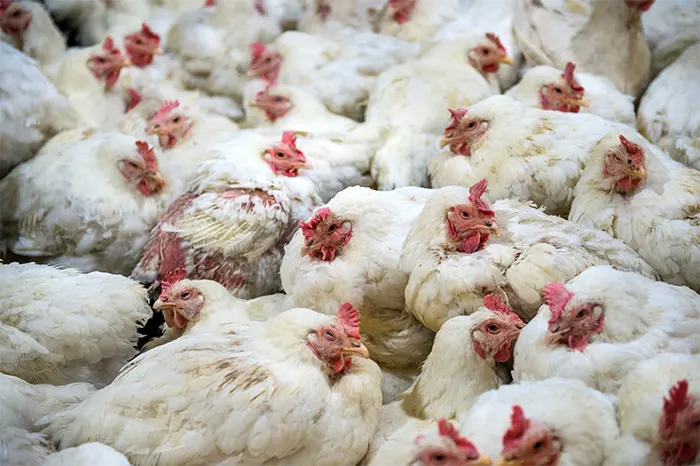
新規IBDV変異株における抗原性の変化
抗原性の差異
- Serological Evidence: Cross-neutralization tests reveal significant antigenic divergence between nVarIBDV and vvIBDV. Monoclonal antibody profiles show VP2 mutations (318D, 323E) cause immune escape, reducing the efficacy of traditional vvIBDV vaccines (A3B2 genotype).
- 作用機序: Amino acid changes in VP2 HVR (e.g., 318D, 323E) alter epitopes, lowering neutralizing antibody binding. For instance, nVarIBDV (SHG19 strain) shows a marked antigenic index difference from vvIBDV vaccine strains, with a 70% escape rate.
免疫への影響
- Vaccine Failure: In vaccinated flocks, nVarIBDV causes severe bursal damage and reduced antibody levels. Fan et al. (2020) noted a 30–40% reduction in H5/H7 bivalent vaccine protection due to nVarIBDV interference.
- Secondary Infections: Immunosuppression heightens susceptibility to pathogens such as avian influenza and Salmonella, thereby amplifying economic losses.
VP2遺伝子配列解析
遺伝子型分類
- Global Classification: Serotype I IBDV is divided into 7 genotypes (A1–A7) based on VP2 HVR, with nVarIBDV classified as A2dB1, distinct from U.S. variant strains (A2B1) and vvIBDV (A3B2).
- Chinese Strain Characteristics:
- Homology: Chinese nVarIBDV shares up to 94.8% homology with U.S. variant strains, <92% with classical, vvIBDV, and attenuated strains.
- Key Mutations: VP2 HVR mutations include 222T, 249K, 286I, 318D, and newly identified 221K, 252I, 299S, forming a unique Chinese nVarIBDV subgroup.
- China Agricultural University Study: In 2019, VP2 sequencing of 9 market isolates (Hz001–Hz009) revealed 96–99% homology with reference strains, confirming nVarIBDV as having protective potential.
分子疫学
- Evolutionary Trends: Since 2017, nVarIBDV has spread rapidly in China, showing recombination in Segment A (VP2) and Segment B (VP1). The A2dB1 genotype likely emerged through point mutations and recombination under immune pressure.
- Representative Strains: The SHG19 and HB202201 strains exhibit unique VP2 mutations (e.g., K221, I252), which differ significantly from those of traditional vaccine strains, necessitating tailored vaccine development.
新規IBDV変異株による被害
組織病理学
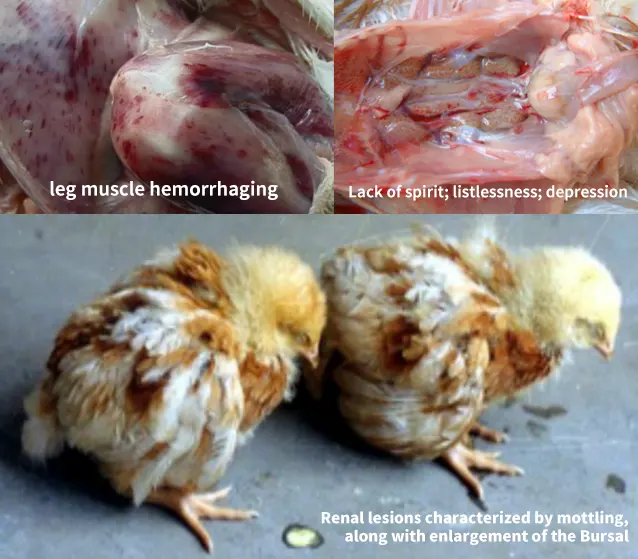
- ファブリキウス嚢: Post-infection, follicular structure is destroyed, lymphocytes are depleted, with heterophil infiltration and fibroblast proliferation, leading to severe atrophy and irreversible B-cell damage after 1–2 weeks.
- 脾臓: Early swelling with leukocytosis, followed by atrophy and reduced immune function.
- Other Organs: Occasional hemorrhage in kidneys and intestines, and spleen necrosis.
経済的・免疫学的影響
- Direct Losses: Growth retardation (10–15% weight reduction), increased feed conversion ratio (0.2–0.3 higher), and reduced uniformity (5% higher coefficient of variation).
- Indirect Losses: Immunosuppression increases the risk of secondary infections, leading to higher antibiotic costs. For example, nVarIBDV-infected flocks exhibit a 20% higher incidence of avian influenza.
- Vaccine Interference: nVarIBDV reduces H5/H7 vaccine antibody titers by 30–40%, compromising disease control.
防除対策
ワクチンの最適化
- ワクチンの選択: Prioritize vaccines that match the nVarIBDV gene sequences (e.g., recombinant VP2 vaccines based on A2dB1). Studies show recombinant VP2 vaccines (e.g., SHG19 strain) achieve 85% protection, compared to 60% for traditional vvIBDV vaccines.
- Immunization Strategies:
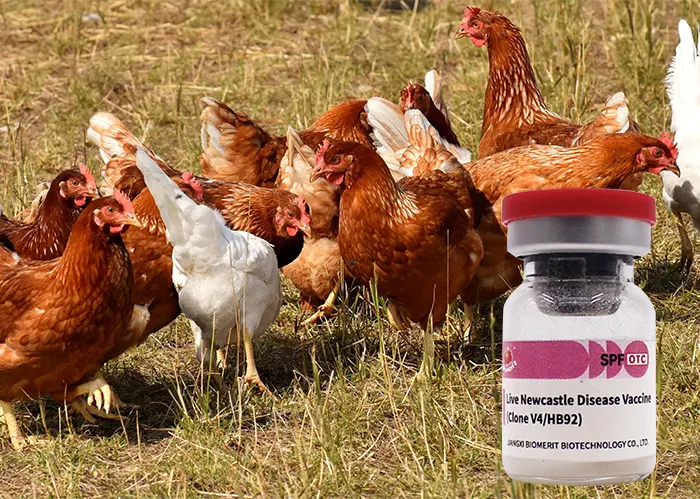
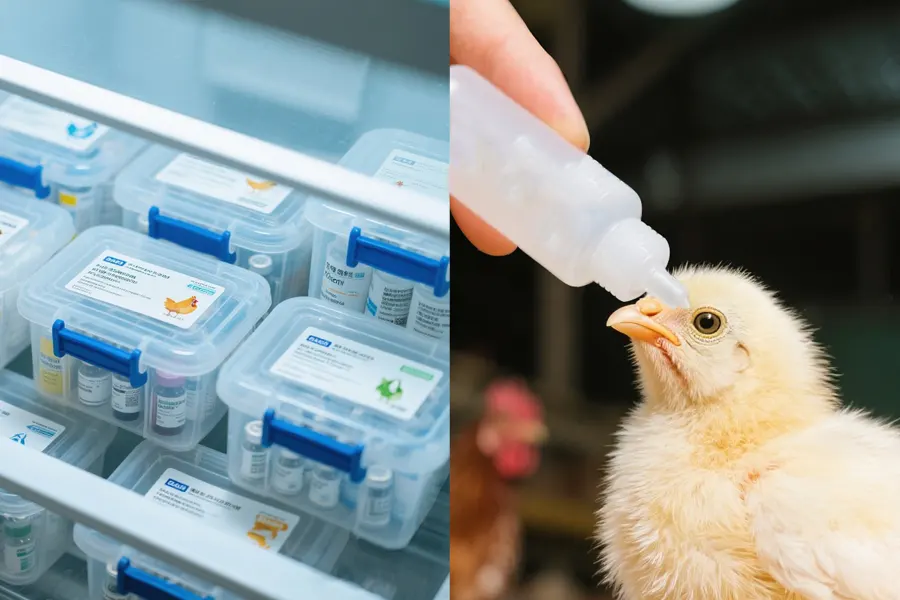
- In-Ovo or Day 1 Vaccination: Use HVT-VP2 vector vaccines or immune complex vaccines to bypass maternal antibody interference.
- Live + Inactivated Vaccines: Administer low-virulence live vaccines (e.g., A8B1 strain) at 1–21 days, followed by inactivated vaccines during rearing to sustain high antibody levels.
- Monitoring and Adjustment: Regularly test farm IBDV genotypes and update vaccine strains annually, as recommended by China Agricultural University.
バイオセキュリティ
- Disinfection and Isolation: Disinfect affected houses with 1% peracetic acid or 0.5% glutaraldehyde, maintaining a minimum 2-week period with no occupancy.
- 管理: Minimize stress (e.g., high temperatures, overcrowding), optimize ventilation (ammonia <10 ppm), and enhance flock immunity.
- Early Intervention: Administer hyperimmune serum (antibody titer ≥1:256) during early outbreaks to reduce mortality by 5–10%.
モニタリングと診断
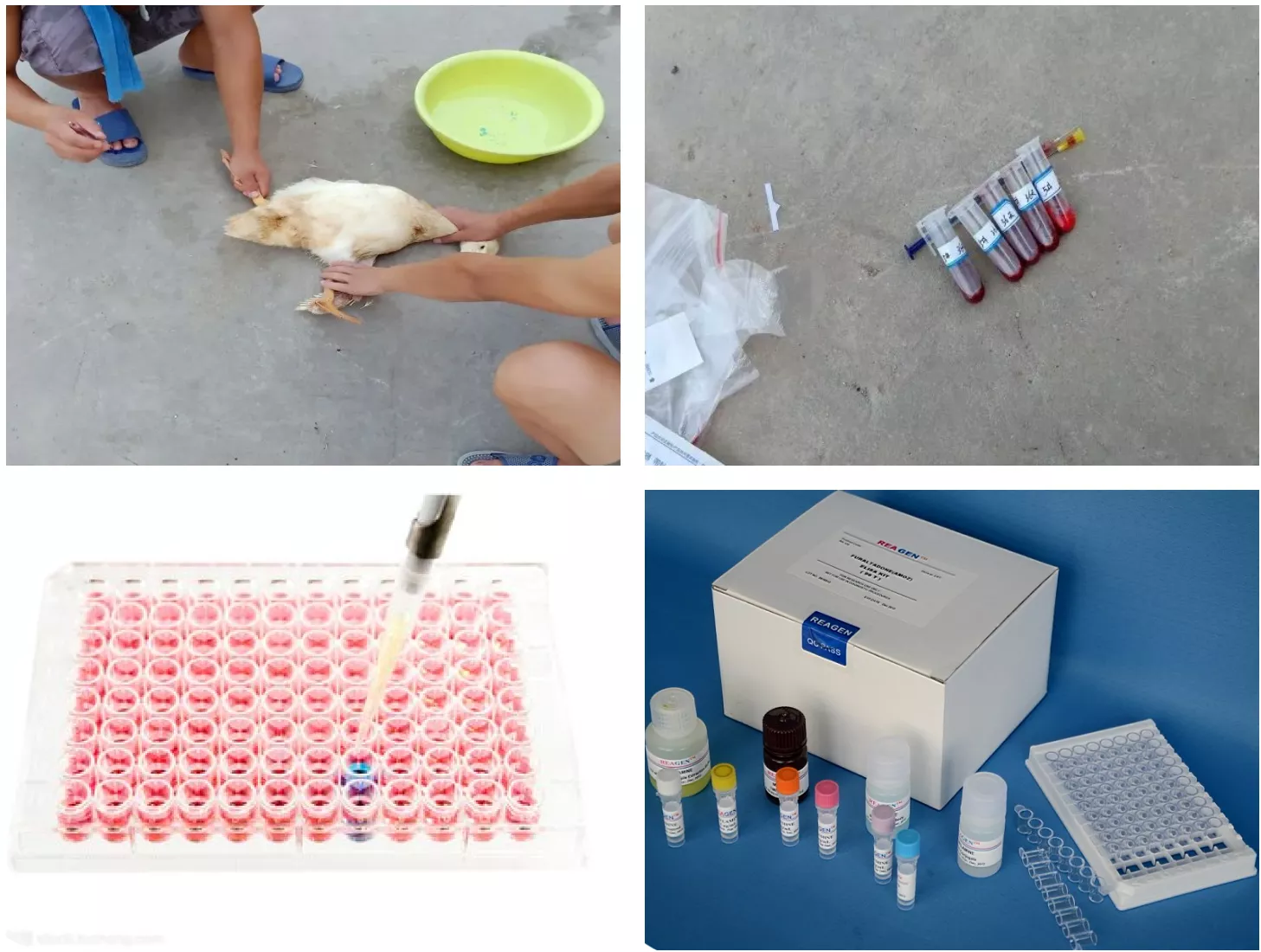
- Molecular Diagnosis: Employ RT-PCR on bursal samples, targeting VP2 HVR, with Sanger sequencing to confirm genotypes.
- Pathological Monitoring: Routinely assess bursal lesions to evaluate immunosuppression and guide control measures.
- Regional Cooperation: Establish a national IBDV epidemiology database to share gene sequences and predict variant trends.
IBDVワクチン生産における動物細胞懸濁培養技術の応用
Based on animal cell suspension culture technology, applications in nVarIBDV vaccine production include:
- Cell Line Selection: Vero, DF-1, or CHO-K1 cells adapted for nVarIBDV (e.g., SHG19 strain) maintain greater than 90% viability through suspension adaptation. For example, Vero cell suspension culture achieves viral titers of 10^8 TCID50/mL.
- Culture Medium Optimization: Serum-free medium (e.g., CDM4CHO) with transferrin (5 mg/L) and insulin (2 mg/L) reduces contamination risk and costs by 30%.
- Bioreactor: Fed-batch or perfusion modes with airlift bioreactors support high-density culture (10^7 cells/mL), boosting vaccine yield by 40%.
- Production Process: Optimized VP2 expression via gene editing (e.g., CRISPR targeting VP2 HVR) yields recombinant vaccines that match nVarIBDV antigenicity.
- ケーススタディ: A company using CHO-K1 suspension culture for nVarIBDV recombinant VP2 vaccine produced 10^9 doses per batch, reducing costs by 25% and achieving 90% protection.
まとめと展望
Since 2017, China’s novel IBDV variant strain (A2dB1 genotype) has spread widely, exhibiting mild clinical symptoms, severe immunosuppression, and antigenic escape, with limited protection from traditional vvIBDV vaccines. VP2 sequence analysis identifies unique mutations (e.g., 221K, 252I, 318D), offering targets for vaccine development. Animal cell suspension culture technology supports efficient production and process optimization for novel vaccines.
Future Directions:
- Vaccine Development: Develop gene-engineered vaccines (e.g., VP2 subunit vaccines) for improved antigen matching.
- Technology Optimization: Promote suspension culture with smart bioreactors to lower production costs.
- Monitoring Network: Create a national IBDV genotype database for real-time tracking of variant trends.
- 国際連携: Leverage experiences from Japan, South Korea, and others to refine control strategies.
By integrating molecular epidemiology, vaccine technology, and biosecurity, nVarIBDV can be effectively managed, ensuring the sustainable development of China’s poultry industry.
参考文献:
- Fan L, et al. Novel variant infectious bursal disease virus suppresses Newcastle disease vaccination in broiler and layer chickens. Vet Microbiol. 2020;240:108507.
- Xu A, et al. Phylogenetic analyses and pathogenicity of a variant infectious bursal disease virus strain isolated in China. Virus Res. 2020;276:197833.
- Wang Y, et al. Genotyping and Molecular Characterization of Infectious Bursal Disease Virus Identified in Important Poultry-Raising Areas of China. Frontiers in Vet Sci. 2021;8:726753.
- MSD Veterinary Manual, Infectious Bursal Disease in Poultry, 2023.