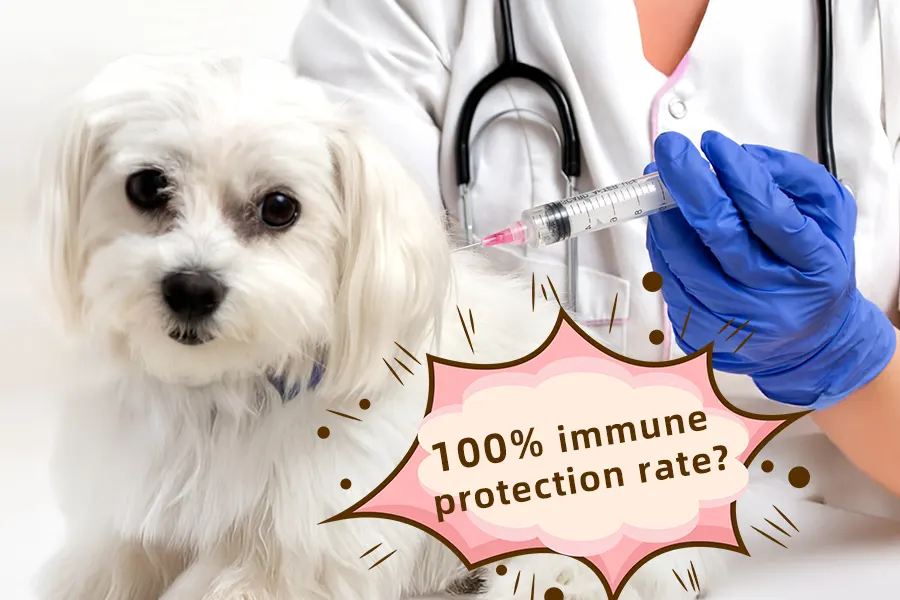
고양이의 중성화 수술 전에 예방접종을 해야 할지 망설일 수 있습니다. 물론 선택은 보호자에게 달려 있지만, 저희는 예방접종 후에 고양이의 자궁과 난소를 제거하는 것을 권장합니다. 이렇게 하면 고양이가 질병에 걸릴 위험을 크게 줄일 수 있어, 고양이가 완벽한 면역 체계를 형성하고 수술 후 빠르게 회복할 수 있습니다. 이 가이드는 고양이 중성화 수술과 예방접종의 필요성을 이해하여 고양이가 질병에서 벗어나 건강하게 성장할 수 있도록 돕기 위해 마련되었습니다.

고양이의 중성화 수술이 필요한 이유는 무엇인가요?
암컷 고양이의 중성화는 난소와 자궁을 제거하여 새끼를 낳을 수 없게 하는 수술을 말합니다. 중성화는 암컷 고양이의 건강과 삶에 많은 이점이 있습니다.
발정기의 번거로움 예방
암컷 고양이는 매년 봄부터 가을까지 발정기를 보냅니다. 발정기 동안 암컷 고양이는 예민해지고 소리를 내어 수컷 고양이를 유인합니다. 수컷 고양이들은 암컷을 두고 싸우고 울부짖어 주민들의 생활에 영향을 줍니다. 암컷 고양이의 중성화 수술을 하면 성격이 온순해질 수 있습니다.
자궁 및 유방 질환 예방
중성화 수술을 받지 않은 암컷 고양이는 자궁축농증, 유방 종양 등 다양한 질환에 걸릴 수 있습니다. 이러한 질환은 암컷 고양이의 생식 능력과 저항력을 떨어뜨리고 생명을 위협할 수 있습니다. 중성화 수술은 이러한 자궁 및 유방 질환의 발생을 예방할 수 있습니다.
기대 수명과 건강 향상
중성화하지 않은 암고양이는 1년 안에 열두 마리가 넘는 새끼 고양이를 낳을 수 있어 고양이 몸에 큰 부담이 됩니다. 중성화 수술은 암고양이가 질병 감염 등 다양한 신체적 손상과 위험에 노출될 가능성을 줄여 주어 암고양이의 수명을 연장하고 삶의 질을 높일 수 있습니다.

고양이 중성화 수술 적령기는 언제인가요?
고양이는 생후 4~6개월 무렵에 중성화하는 것이 가장 좋으며, 이는 품종에 따라 차이가 있으므로 자세한 사항은 수의사와 상담하시기 바랍니다. 고양이는 일반적으로 생후 6개월부터 점차 성적으로 성숙해지며 이후 발정이 시작됩니다. 따라서 고양이 중성화 수술에 가장 적합한 시기는 생후 4~6개월입니다. 중성화 수술 전에는 고양이가 건강한 상태이며 발정 중이 아닌지 확인해야 합니다.
중성화 수술은 안전한가요?
고양이 중성화 수술에는 주로 마취 알레르기와 수술 중 감염 등의 위험이 따르지만, 이러한 상황이 발생할 확률은 낮아 비교적 안전합니다. 마취 과정에서 고양이의 자궁과 난소가 제거되며, 고양이는 통증을 느끼지 않습니다. 수술 후에는 진통제를 사용해 고양이의 통증을 완화합니다. 중성화 수술은 소요 시간이 짧습니다. 일반적으로 5~20분의 중성화 수술로 난소암 발생 위험을 없앨 수 있습니다.
고양이에게 예방접종을 해야 하는 이유는 무엇인가요?
고양이의 면역 체계는 사람과 유사하며 바이러스와 세균의 공격에 저항할 수 있습니다. 그러나 고양이의 성장 과정에서 면역 체계는 아직 충분히 완성되지 않아 모든 바이러스와 세균에 완전히 맞설 수는 없습니다. 따라서 고양이 범백혈구감소증, 고양이 비기관지염 등과 같은 일부 흔한 고양이 질병은 고양이에게 심각한 위협이 될 수 있습니다. 예방접종은 고양이의 면역 체계를 강화하고 질병 저항력을 높여 건강을 보호하는 데 도움이 됩니다.
암컷 고양이는 예방접종 없이 중성화 수술을 받을 수 있나요?
예방접종을 하지 않은 암고양이도 중성화 수술을 받을 수 있지만, 다음과 같은 상황이 발생할 수 있으므로 수술을 권장하지 않습니다:
- Increased risk of infection. Without vaccination, cats lack antibodies against common viruses (such as the feline plague virus) in their bodies. Sterilization surgery temporarily decreases the cat’s immunity. At this time, if the cat is exposed to the virus, it is easy to get infected.
- The hospital environment is complex. Despite disinfection measures, the possibility of viruses cannot be completely eliminated, especially pathogens such as parvoviruses that are difficult to kill completely.
- Cats recover slowly after sterilization surgery. If they become infected with the virus during this period, it will not only affect the operation’s effectiveness but may also cause more serious complications, even life-threatening ones.
Although unvaccinated cats can be sterilized for the health and safety of cats, it is strongly recommended that the vaccination procedure be completed before the operation. This can greatly reduce the risk of infection after the operation and ensure that the cat can recover smoothly.

WIXBIO가 권장하는 예방접종 계획 및 중성화 수술 시기
8 weeks: First vaccination of FVRCP 백신
10 weeks: the first dose of leptospirosis vaccine
11 weeks: Second vaccination of FVRCP Vaccine
12주령: 광견병 백신
13 weeks: Second dose of leptospirosis vaccine
14 weeks: the third vaccination of 바이오펠 PCH 주사용 유제; cat plague vaccine
Note: After vaccination, it will cause needle eyes to be left on the local skin. Cats should not be bathed in a short period of time. Otherwise, it will easily cause local inflammation and affect the effect of the vaccine on preventing diseases.
16주령: sterilization surgery

중성화 수술 후 주의 사항
Warmth: Keeping the cat warm will help it recover faster.
Dietary management: Water and food feeding should be resumed gradually within four to six hours after the surgery, and attention should be paid to pain management.
Pain medication: Pain medication containing meloxicam can be taken orally or long-lasting pain injections can be given.
Close observation: Pay attention to changes in the color of the oral mucosa and seek medical attention if there is any abnormality.
Prevent licking of the wound: Wear an Elizabethan collar and surgical gown to prevent the cat from licking the wound leading to infection or secondary dehiscence.
Wound care: Disinfect the wound daily and use topical antibacterial spray to promote healing.
Restriction of activities: Try to limit the cat’s strenuous exercise within one week after surgery to prevent wound healing from affecting it.
결론
De-sexing cats and keeping them up to date with vaccinations are important measures to ensure their long-term health and well-being. It is recommended that cats be spayed or neutered when they are 4-6 months old and that all necessary vaccinations are completed according to a detailed vaccination schedule. This not only reduces the risk of infection but also promotes rapid recovery after surgery. Following the guidance of a professional veterinarian to ensure the safety of the surgery and meticulous post-operative care, including warmth preservation, proper dietary management, pain management, and wound care, are all key to helping your cat recover successfully. Through scientific planning and meticulous care, you can provide your cat with the highest quality health management to ensure it grows healthily and enjoys a longer lifespan.