
Vaccination is the cornerstone of preventive veterinary medicine, yet many owners are understandably frustrated when a fully vaccinated pet still contracts an infectious disease such as canine parvovirus, feline panleukopenia, or rabies. This article, based on current peer-reviewed literature and extensive clinical experience, explains the three most common reasons for apparent vaccine failure and provides practical, science-based recommendations to maximize protection.
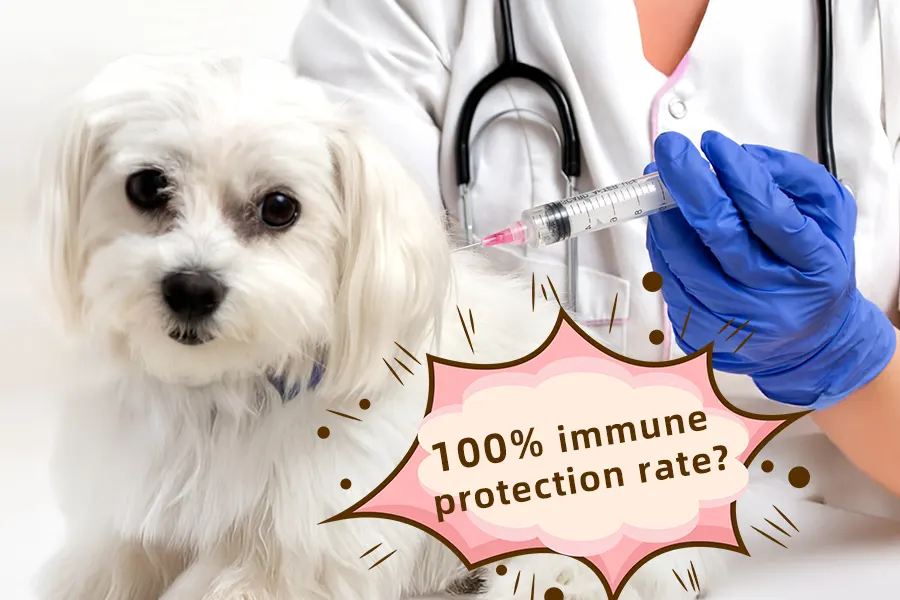
Vaccines are highly effective but not 100 % foolproof
Real-world protection rates for core pet vaccines typically range from 80–95 %, and the World Organisation for Animal Health (OIE) estimates that approximately 30 % of reported “vaccine failures” actually reflect unrealistic owner expectations rather than true product failure.
The Three Principal Causes of Vaccine Failure
Antigenic Drift and Strain Mismatch: Viruses evolve
Canine parvovirus (CPV) has mutated from the original CPV-2 (1978) into globally dominant variants CPV-2a, 2b, and 2c. Older vaccines formulated only with the original strain may provide reduced cross-protection (<70 % in some studies) against contemporary field isolates.
Evidence: Journal of Veterinary Virology (2022) – variant strains now account for >40 % of clinical CPV cases worldwide.
Recommendation: Use modern multivalent vaccines that include updated CPV-2b/2c field strains and perform annual antibody titer testing (protective threshold by ELISA ≥1:16).

Host-Related Immune Response Failure
Not every animal mounts an adequate response.
- Maternal antibody interference: Puppies and kittens receive high levels of passive immunity via colostrum (titers may exceed 1:512). These antibodies neutralize vaccine antigen and create an immunological “gap” typically between 6 and 16 weeks of age.
- Immunosenescence and comorbidity: 高齢のペットや、慢性腎臓病、栄養不良、あるいは併発疾患を抱える動物では、血清転換率が50 %程度まで低下することがよくあります。
- まれなアジュバント過敏症
Evidence: Pet Immunology(2023年)– 栄養不良の動物では反応率が20 %低く、ビタミンA/Dの補給によって最大15 %反応が改善する可能性があります。
Recommendation: ワクチン接種前の健康スクリーニング、個別化したスケジュール(移行抗体が低下するまで、通常は12週齢以降まで一次接種シリーズを延期)、および高リスク患者における免疫賦活剤の検討。

Vaccine Handling and Administration Errors
ワクチンの力価は、保管および投与の条件に極めて敏感です。
- 温度逸脱(25 °C超または0 °C未満)は抗原を破壊します。
- 誤った用量、投与経路(筋肉内ではなく皮下)、または油性アジュバントワクチンを振盪しないことにより、生物学的利用能が低下します。
- 追加免疫(ブースター)の接種漏れまたは遅延。
Evidence: Veterinary Practice(2021年)– 物流上の過誤が、ワクチン失敗と認識された事例の25~30 %を占めています。 Recommendation: ワクチン接種は訓練を受けた獣医療スタッフのみが行い、2~8 °Cのコールドチェーンを厳守し、記録を完全に保持(ロット番号、有効期限)し、ブレークスルー感染が疑われる場合には血清学的確認を行うこと。
Management of Breakthrough Infections
早期介入は依然として極めて重要です:
- 直ちに隔離する
- 積極的な輸液療法、制吐薬、および二次的な細菌感染を防ぐための広域スペクトル抗菌薬
- 迅速なウイルス中和のための高免疫血清の投与(入手可能な場合)
- 回復期における、消化性が高く高タンパクな食事とプロバイオティクスによる栄養サポート
Looking Ahead
次世代プラットフォーム(例:株特異的mRNAワクチン)は開発の最終段階にあり、急速に進化する病原体に対して98 %を超える防御率を実現すると期待されています。それらが広く利用可能になるまでの間、最も強力な防御は統合的なアプローチであり続けます:現在の多価ワクチン+適切な取り扱い+個別化したスケジュール+定期的な健康スクリーニング+管理された環境。
結論
ワクチン接種済みのペットに感染症が発症したとしても、それはワクチンが「効かない」という意味ではありません。それはウイルスの進化、個体の免疫状態、そして人為的要因が複雑に絡み合った結果を反映しています。こうした現実を理解し、獣医師と緊密に連携することで、愛するペットに可能な限り最高レベルの防御を実現できます。
ペットの完全なワクチン接種記録を毎回の受診時に必ず持参してください。そうすることで獣医師が、真に個別化された生涯にわたる免疫・健康管理計画を策定し、調整できるようになります。
参考文献
- Journal of Veterinary Virology, 2022 – Global CPV variant epidemiology
- Pet Immunology, 2023 – ワクチン反応に影響を及ぼす宿主因子
- Veterinary Practice, 2021 – ワクチンの取扱いおよび投与ミスに関する調査
- OIE Terrestrial Manual – 伴侶動物ワクチン接種ガイドライン、2023


