Allevare capre e pecore sane richiede più di un buon mangime e un ricovero adeguato—un piano vaccinale mirato è uno dei modi più efficaci per prevenire focolai di malattia e risparmiare denaro. In questo articolo, WIXBIO risponde alle domande più frequenti degli allevatori sulle vaccinazioni di capre e pecore, offrendo consigli pratici sui vaccini essenziali e su quando somministrarli.
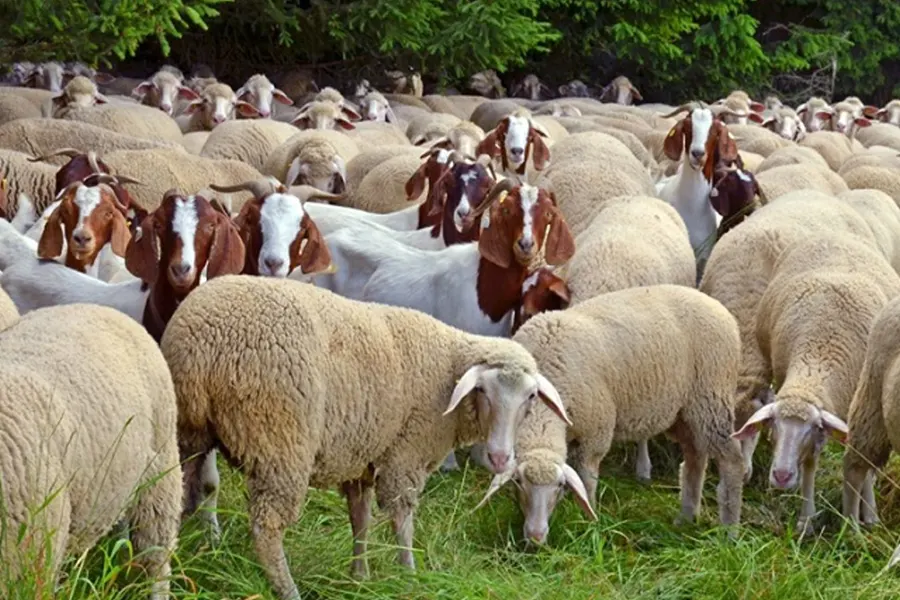
Perché capre e pecore devono essere vaccinate?
Capre e pecore possono contrarre facilmente malattie infettive, soprattutto in grandi allevamenti o in zone dove gli animali si spostano di frequente. Molte di queste malattie si diffondono rapidamente e possono essere letali.
I vaccini aiutano gli animali a combattere i germi patogeni prima che si ammalino. Prevenire una malattia è sempre più economico che curarla.
Vaccini essenziali per capre e pecore
I vaccini si suddividono in vaccini essenziali (obbligatori per tutti gli animali) e vaccini non essenziali (scelti in base ai rischi locali o alle condizioni dell'allevamento). Di seguito sono riportati i vaccini principali per capre e pecore, con risposte alle domande più importanti e informazioni chiare per i clienti B2B.
Vaccini essenziali per le capre
Le capre sono soggette a diverse malattie infettive, ma i vaccini possono proteggerle. Ecco i vaccini indispensabili:
- Vaccino Clostridium C e D + tetano (vaccino CDT) Scopo: protegge dall'enterotossemia (malattia da eccesso di alimentazione) causata da Clostridium perfringens tipi C e D, e dal tetano causato da Clostridium tetani.
- Importanza: i cambiamenti di dieta possono causare enterotossemia, mentre ferite o parto possono portare al tetano.
- Calendario: i capretti ricevono la prima dose a 6-8 settimane, seguita da un richiamo dopo 4 settimane. Gli adulti necessitano di una somministrazione annuale. Le capre gravide vanno vaccinate 4-6 settimane prima del parto per potenziare l'immunità del colostro.
- Vaccino antirabico Scopo: previene la rabbia, una malattia che può essere trasmessa all'uomo attraverso il morso di un animale infetto.
- Importanza: Critical in areas where rabies is prevalent, especially for goats that come into contact with wildlife or are used for dairy purposes.
- Calendario: Annually or as required by local regulations.
Vaccini essenziali per le pecore
Sheep share some vaccine needs with goats, but differ due to their unique physiology and risks.
- Vaccino Clostridium C e D + tetano (vaccino CDT) Scopo: Same as for goats, protects against enterotoxemia and tetanus.
- Importanza: Sheep are at risk for enterotoxemia during diet changes (like moving to lush pastures), and shearing or tail docking raises tetanus risk.
- Calendario: Sheep lambs receive their first dose at 6-8 weeks, followed by a booster 4 weeks later. Adults need an annual shot. Pregnant ewes should be vaccinated before lambing.
- Seven- or Eight-Way Clostridium Vaccine. Purpose: Offers broader protection against multiple Clostridiumrelated diseases.
- Importanza: Ideal for crowded farms or high-risk areas.
- Calendario: Sheep lambs receive their first vaccination at 6-8 weeks and are boosted 4 weeks later; adults are vaccinated annually.
Vaccini non essenziali per capre e pecore
Non-core vaccines depend on local disease risks, farm conditions, or specific needs.
Vaccini non essenziali per le capre
- Caseous Lymphadenitis (CLA) Vaccine Purpose: Prevents abscesses in lymph nodes and organs caused by Corynebacterium pseudotuberculosis.
- Importanza: Common in crowded or less sanitary conditions.
- Calendario: Administered annually, often in conjunction with the CDT vaccine.
- Contagious Caprine Pleuropneumonia (CCPP) Vaccine. Purpose: Targets respiratory disease caused by Mycoplasma capricolum subsp. capripneumoniae.
- Importanza: Crucial in CCPP-prone regions, including Africa, Asia, and the Middle East.
- Calendario: Given based on local risk assessments.
Vaccini non essenziali per le pecore
- Ovine Progressive Pneumonia (OPP) Vaccine Purpose: Prevents a chronic viral disease affecting sheep lungs and overall health.
- Importanza: Key for flocks with known OPP cases or high-risk settings.
- Calendario: Annually or as advised by a vet.
- Footrot Vaccine Purpose: Prevents lameness and losses caused by Dichelobacter nodosus.
- Importanza: Essential in wet climates or intensive farms.
- Calendario: Given before wet seasons or as part of flock management.
La vaccinazione nelle diverse fasi della vita
Newborns (0-2 Months):
Rely on colostrum for early immunity. Vaccinate pregnant females 3-4 weeks before birth to improve colostrum quality.
Young Animals (2-6 Months):
Initiate active immunization with Clostridium vaccines, including the Peste des Petits Ruminants (PPR) vaccine, to protect against this viral disease, as well as others based on local risks.
Adults:
Get annual booster shots for core vaccines. Vaccinate before stressful events, such as transport, breeding, or meeting new animals.
Pregnant Females:
Vaccinate with clostridium toxoid vaccines about 1 month before birthing to boost immunity for lambs and goat kids.
Confronto tra le esigenze vaccinali di capre e pecore
Both need CDT vaccines, but their unique traits and farm practices create differences:
- Goats: Prone to CLA and CCPP due to their browsing and social habits. Dairy goats often require rabies vaccines due to potential human contact.
- Ovini: Face higher risks for OPP and footrot in large flocks or wet areas. Rabies vaccines are less common unless required by local rules.
- Shared Needs: Both require strong clostridium protection (CDT or seven/eight-way vaccines) due to similar digestive and environmental risks.
Perché scegliere le nostre soluzioni vaccinali?
As a global leader in animal vaccine exports, we provide:
- High-Quality Products: Our vaccines meet OIE and GMP standards for top-notch safety and performance.
- Customization & OEM/ODM Services: We tailor custom vaccine formulas to your specific region or farm needs.
- Global Reach: Reliable exports for biotech companies, vet clinics, and large farms.
- R&D Expertise: Cutting-edge research, including mRNA vaccine technology, to tackle new diseases.
Buone pratiche per la vaccinazione
- Tempistica: Follow vaccination schedules, especially for pregnant animals, to ensure colostrum immunity is maintained.
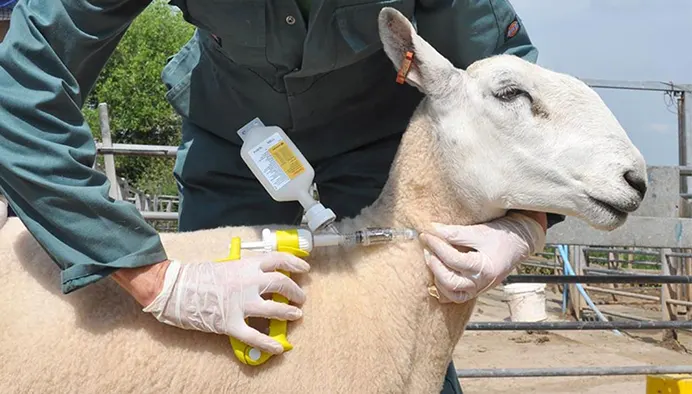
- Conservazione: Keep vaccines at 2-8°C to maintain effectiveness.
- Administration: Use trained staff for proper injection techniques.
- Monitoring: Check the flock’s health after vaccination to confirm efficacy and watch for any side effects.
Vaccinating goats and sheep is crucial for keeping your animals healthy, your farm profitable, and food safe. By understanding the essential and non-core vaccine needs of their livestock, livestock owners can choose the right vaccines to keep their animals thriving. Contact us to explore our full vaccine lineup, custom solutions, and global export services.