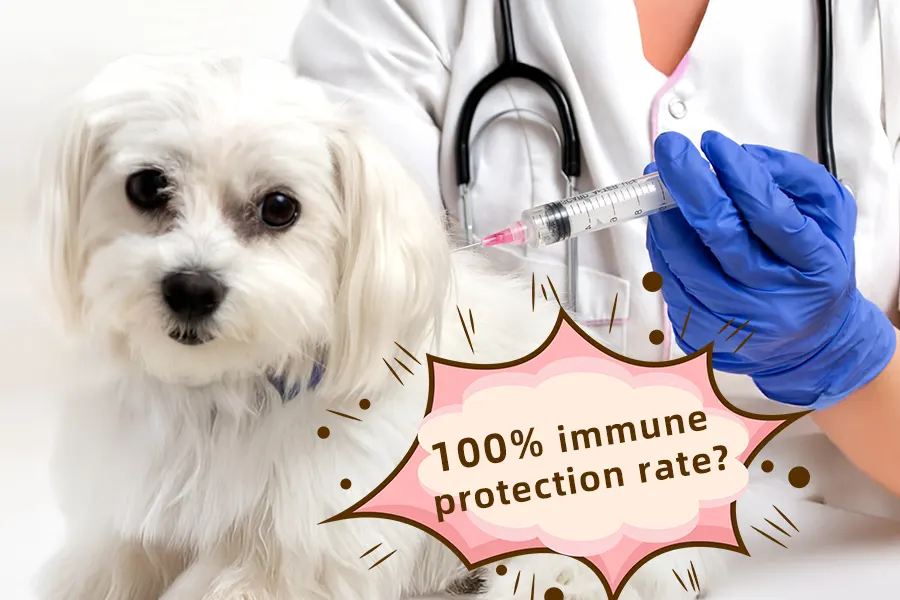
Vaccinating your dog is essential in ensuring their health and well-being. Not only do vaccines prevent a wide range of potentially fatal diseases, but they also boost your dog’s immune system. Vaccinating your dog is essential in protecting them from disease, but how do you care for them after vaccination to help them recover better?

Some precautions after vaccination become very important. Have you learned about them in detail? Today, we will discuss the dos and don’ts after dog vaccinations. Here are some easy-to-understand “do’s” and “don’t’s” for you.
What to do after dog vaccination?
Observe Your Dog’s Physical Reactions
After your dog receives its vaccinations, paying close attention to any changes in its physical condition is essential. It’s normal for dogs to show mild discomfort after vaccination, such as slight swelling at the injection site, tiredness, or a reduced appetite. These reactions are usually temporary and should subside within a day or two. However, if these symptoms persist for a more extended period or worsen, you should take your dog to the vet for a check-up.
Provide a Comfortable Resting Environment
Vaccination may leave your dog tired or unwell, so it’s essential to provide a quiet, warm space for them to rest. Avoid intense activity or stress, as adequate rest will help the immune system function better and speed up recovery.
Offer Light and Easy-to-Digest Food
If your dog loses its appetite after the vaccination, don’t force it to eat. Instead, offer easy-to-digest food such as wet dog food or small portions of cooked chicken and rice. As your dog recovers, its appetite should gradually return, and you can slowly reintroduce its regular diet.
Ensure Plenty of Fresh Water
Après la vaccination, votre chien peut avoir besoin d'une hydratation supplémentaire pour favoriser sa convalescence, alors assurez-vous qu'il ait accès à de l'eau propre et fraîche à tout moment. Une bonne hydratation est essentielle à la récupération, d'autant plus que le système immunitaire se renforce.
Limit Exercise and Avoid Strenuous Activity
Dans les jours suivant la vaccination, évitez les exercices vigoureux ou les jeux intenses avec votre chien. Même si votre chien semble bien se porter, il est préférable de limiter les activités prolongées et éprouvantes pour éviter de surmener son organisme. Les promenades courtes sont acceptables, mais évitez les exercices longs ou de haute intensité qui pourraient solliciter inutilement votre chien.

What to Avoid After Vaccination?
Avoid bathing immediately
Il est préférable de ne pas laver votre chien le jour suivant la vaccination. L'eau peut toucher le site d'injection pendant le bain, ce qui peut facilement provoquer une infection locale. Pour éviter cela, il est conseillé d'attendre que la réponse immunitaire du chien se soit stabilisée avant de le laver, généralement au moins jusqu'au lendemain de la vaccination.
Don’t change the environment frequently
Évitez d'emmener votre chien dans des environnements inconnus ou nouveaux dans les jours suivant la vaccination. Le corps de votre chien a besoin de temps pour s'adapter et récupérer après la vaccination, et des changements fréquents d'environnement peuvent le rendre nerveux ou anxieux. Maintenir un environnement de vie stable l'aidera à mieux se reposer et récupérer.

Avoid close contact with other pets
Bien que la vaccination soit efficace pour prévenir de nombreuses maladies, l'effet immunitaire des vaccins met du temps à s'établir complètement. Par conséquent, il est préférable de ne pas laisser votre chien avoir trop de contacts avec d'autres animaux de compagnie non encore vaccinés pendant un certain temps après la vaccination, afin de réduire le risque d'infection croisée.
Do not ignore any unusual reactions
Après la vaccination, si le chien présente des réactions inhabituelles telles qu'une fièvre persistante, des vomissements, de la diarrhée ou un inconfort extrême, le propriétaire doit l'emmener rapidement chez le vétérinaire. Ne prenez pas cela à la légère sous prétexte que les symptômes peuvent sembler bénins. S'en occuper le plus tôt possible garantira que la santé de votre chien ne soit pas compromise.
Don’t rush out
It takes some time for a dog’s immunity to be fully established after vaccination. Therefore, during the quarantine period after vaccination, avoid taking your dog out of the house, especially in places with a high concentration of people or pets, to prevent exposure to potential disease risks.
Vaccination is a crucial step in ensuring your dog’s health, and as a pet owner, you must ensure a smooth recovery process after vaccination. By following the above “do’s and don’ts” guidelines, we hope to help pet owners take better care of their dogs after vaccination, ensuring they can enjoy a healthy life while effectively protecting themselves against diseases. Each vaccination is an investment in your dog’s health, and proper care is key to maximizing the benefits of this investment.

Tips
Be Aware of Individual Differences: Each dog may react differently to vaccinations. Some dogs may handle it quickly, while others may experience discomfort. Understanding and respecting these individual differences is essential. Adjust your care approach accordingly to ensure your dog’s comfort and safety.
Ongoing Health Monitoring: While vaccination is essential in protecting your dog’s health, it is not the only measure. Proper nutrition, moderate exercise, and regular check-ups are vital for overall health. Comprehensive health management is necessary to ensure your dog stays healthy in the long term.
Seek Professional Help: If you notice any uncertain symptoms or have questions after vaccination, contact your veterinarian promptly for professional advice. A vet can provide the best guidance and help your dog recover more effectively.